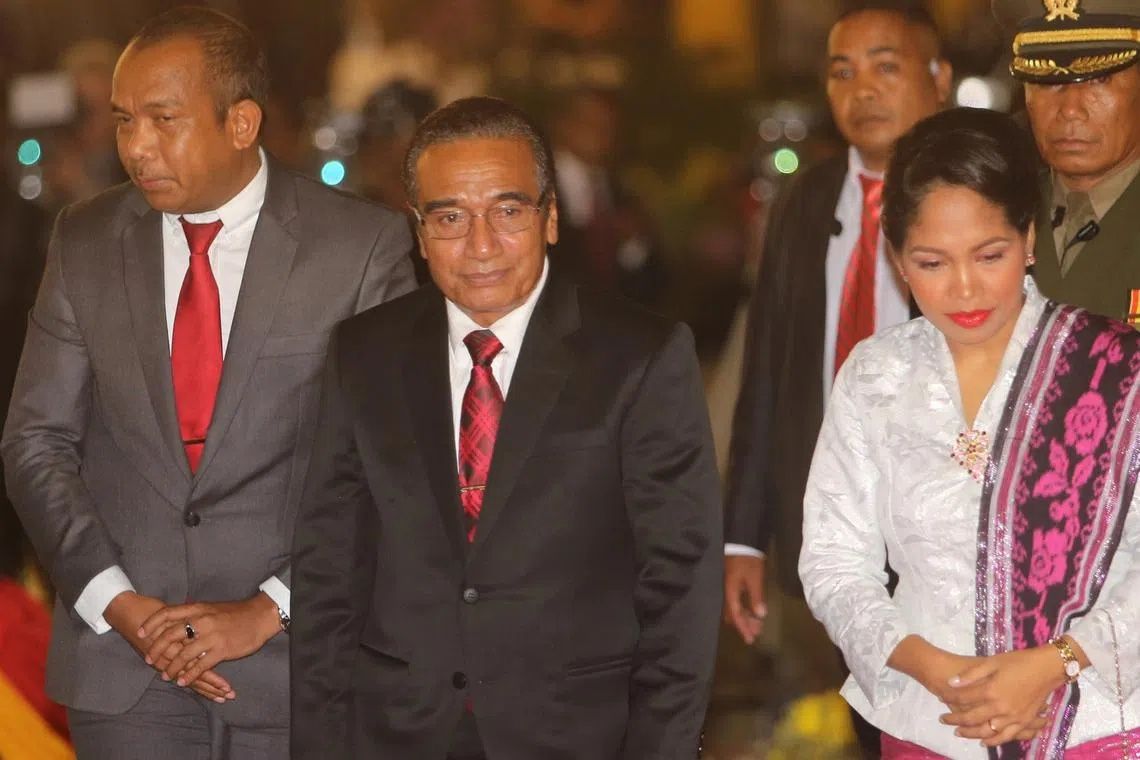
Timor-Leste's government announced a week-long period of national mourning on June 22 following the death of former president Francisco 'Lu-Olo' Guterres, who passed away at a Malaysian hospital over the weekend at the age of 71. The declaration reflects the profound respect accorded to a man whose life trajectory mirrored the nation's own journey from colonial subjugation to sovereignty.
Guterres stands as one of the defining figures in Timorese history, having devoted more than four decades to his country's liberation struggle. His transition from armed resistance fighter to elected leader embodied the remarkable transformation of East Timor's political landscape following independence from Indonesia in 2002. The five-year presidential tenure that culminated in 2022 represented the culmination of his decades-long commitment to nation-building and democratic consolidation.
The government has implemented ceremonial protocols befitting a departed statesman, directing all public institutions to display flags at half-mast. This directive extends to diplomatic missions both domestically and abroad, signalling to the international community the significance of Guterres's passing. Such formal gestures underscore how deeply embedded his legacy remains within Timorese institutions and collective memory.
Guterres's mortal remains are expected to return to Dili, the capital, on Tuesday, according to statements made by his brother Domingos Guterres to assembled reporters. The family has indicated that funeral preparations remain under way, with the specific arrangements for the final rites still being finalised. This measured pace reflects the scale of organisational challenges inherent in orchestrating a state funeral for such a revered figure.
The passing has drawn expressions of sympathy from across the political spectrum within Timor-Leste. President Jose Ramos-Horta, who defeated Guterres in a closely contested 2022 presidential runoff, set aside their electoral rivalry to characterise his predecessor as a patriot of exceptional calibre. Ramos-Horta's acknowledgment of Guterres as a national asset whose contributions transcended partisan boundaries demonstrated the maturity of Timorese democratic institutions and the capacity for former adversaries to recognise shared commitment to collective welfare.
The statement from the government extended formal condolences to Guterres's immediate family, to the Revolutionary Front for an Independent East Timor (Fretilin)—the political movement he previously chaired—and to the broader Timorese populace. This layered expression of sympathy acknowledged the multiple constituencies affected by the loss, from kinship networks to party structures to the nation writ large.
Guterres emerged from modest circumstances to become instrumental in forging East Timor's path toward self-determination. His formative years coincided with Indonesia's brutal quarter-century occupation, during which an estimated 200,000 Timorese perished. His evolution from guerrilla combatant to democratically elected leader encapsulated the aspirations of a generation determined to reclaim agency over their nation's destiny.
The 2017 presidential election that elevated Guterres to the highest office saw him secure more than 57 per cent of the popular vote, affording him a clear mandate to lead. His victory marked recognition of his historical significance and his continued relevance to contemporary Timorese politics. His subsequent reelection bid five years later, however, encountered a more competitive landscape, with Ramos-Horta's Nobel Peace Prize credentials and emerging political momentum proving decisive in the runoff phase.
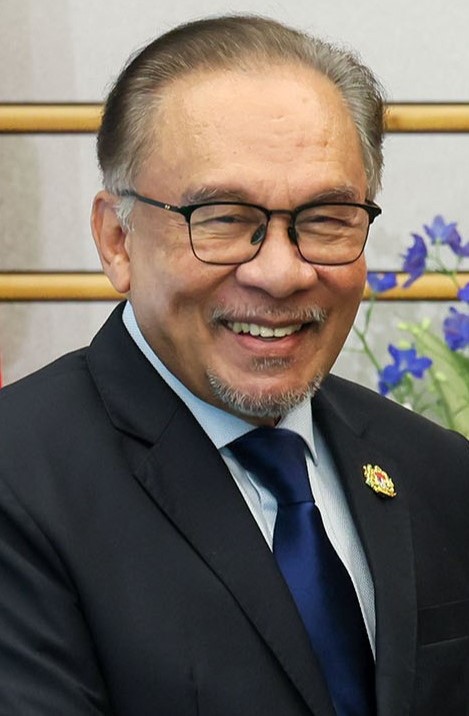
The circumstances surrounding Guterres's death—occurring in a Malaysian hospital rather than on Timorese soil—carries symbolic weight for both nations. Malaysia's role as a medical destination for regional patients underscores interconnectedness within Southeast Asia's healthcare ecosystems. Prime Minister Datuk Seri Anwar Ibrahim's personal expression of sorrow and Malaysia's collective mourning alongside Timorese citizens reinforced regional bonds of solidarity and mutual respect.
Guterres's family has appealed for privacy during what they characterised as a challenging period, requesting that the public respect their space for grief whilst simultaneously inviting collective remembrance of his accomplishments. This balancing act between personal mourning and public commemoration reflects the dual nature of his identity as both a private individual and a towering historical figure whose imprint on Timorese national consciousness extends across generations.
The week of national mourning will provide Timorese society an opportunity for reflection on Guterres's multifaceted contributions to their nation's independence, institutional development, and democratic consolidation. His passing marks the exit of a founding generation leader whose lived experience encompassed colonial rule, armed struggle, international intervention, and democratic governance. For younger Timorese who never witnessed the occupation, Guterres embodied living connection to the sacrifices and determination that secured their freedom.