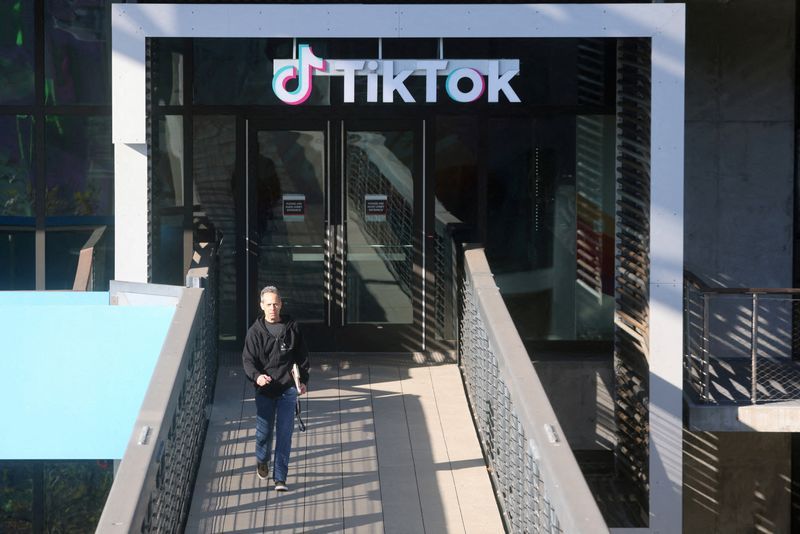
TikTok has reached a settlement with a minor plaintiff in a lawsuit alleging the short-video platform caused psychological harm, according to Morgan & Morgan, the law firm representing the young complainant. The agreement was confirmed on Tuesday, though final details of the settlement remain under negotiation and have not yet been publicly disclosed. This development marks a significant concession by ByteDance's platform as the company faces mounting legal pressure over its effects on young users' wellbeing.
The case involves R.K.C., a 15-year-old from Florida, who began using social media platforms at approximately eight years old. Court documents detail how the teenager subsequently developed an addiction to the apps, experiencing disrupted sleep patterns, depression, and anxiety symptoms that he attributes directly to his extended platform usage. The severity of his claims illustrates the growing concern among mental health professionals and parents about how algorithmic design and engagement-driven features may be contributing to psychological distress in adolescents across North America and globally.
This settlement represents the first major breakthrough in what has become a coordinated legal assault on major social media companies operating in the United States. The original lawsuit targeted four platforms simultaneously—YouTube, Instagram, Snapchat, and TikTok—demonstrating the interconnected nature of digital harms that teenagers now face. By naming multiple defendants, R.K.C.'s case captures the reality that young people do not use these platforms in isolation but rather move fluidly between them, compounding their exposure to addictive features and algorithmic content that may negatively affect mental health.
YouTube, owned by Google, had already settled with R.K.C. in June, preceding this TikTok announcement. The dual settlements suggest that defendants are increasingly willing to avoid trial proceedings, potentially due to concerns about precedent-setting jury verdicts. What transpires in court during the two remaining trials against Instagram and Snapchat, both scheduled for July, will likely shape the broader liability landscape for social media companies operating in California. These trials represent what legal experts anticipate will be the second major courtroom examination of social media's documented effects on youth mental health, building upon earlier cases that have tested whether platforms bear responsibility for algorithmic choices that prioritise engagement over user wellbeing.
For Malaysian and Southeast Asian readers, this case carries particular significance given the region's extraordinarily high social media penetration rates. Malaysia, Indonesia, the Philippines, and Thailand consistently rank among the world's highest consumers of social media, with young people spending significantly more time on platforms like TikTok than their counterparts in Europe or North America. The legal developments in California may eventually influence how regulators in Malaysia and other ASEAN nations approach tech governance, particularly as civil society groups increasingly call for stricter content moderation standards and transparency regarding algorithmic recommendation systems.
The timing of these settlements also reflects broader political and regulatory momentum building against major technology platforms. California's courts have become testing grounds for digital-age litigation, and legal victories here often reverberate internationally as other jurisdictions consider similar action. The precedent established in this case—that platforms may bear financial responsibility for documented harms to minors—could inspire comparable lawsuits in Malaysia, Singapore, and other regional markets where youth mental health concerns are mounting among parents and educators.
TikTok's willingness to settle, without admitting liability according to standard settlement language protocols, demonstrates the company's calculation that avoiding a public trial carries less reputational and financial risk than proceeding to a full jury verdict. This strategic decision also reflects TikTok's intensifying regulatory challenges in the United States, where lawmakers have expressed security and wellbeing concerns about the platform's Chinese ownership and data practices. By settling youth mental health claims, TikTok may be attempting to demonstrate cooperative posture toward American courts and legislators, even as it faces existential threats to its operating licence.
The case illuminates a fundamental tension in the social media business model: platforms derive revenue from user engagement metrics, which their engineers optimise through features designed to maximise time spent on the app. For younger users with developing brains still forming impulse control mechanisms, this dynamic creates documented psychological vulnerabilities. Research cited in court filings increasingly shows correlations between heavy social media use and anxiety, depression, and sleep disruption among teenagers—precisely the symptoms R.K.C. described in his complaint.
As these California trials proceed through July and beyond, attention will focus on whether juries find that Instagram and Snapchat bear sufficient responsibility for youth mental health harms to warrant compensation awards. Such verdicts could accelerate regulatory responses in Malaysia and across Southeast Asia, where digital literacy and platform accountability remain nascent policy areas. The region's young people, numbering over 200 million, deserve legal protections equivalent to those increasingly recognised for American youth.

