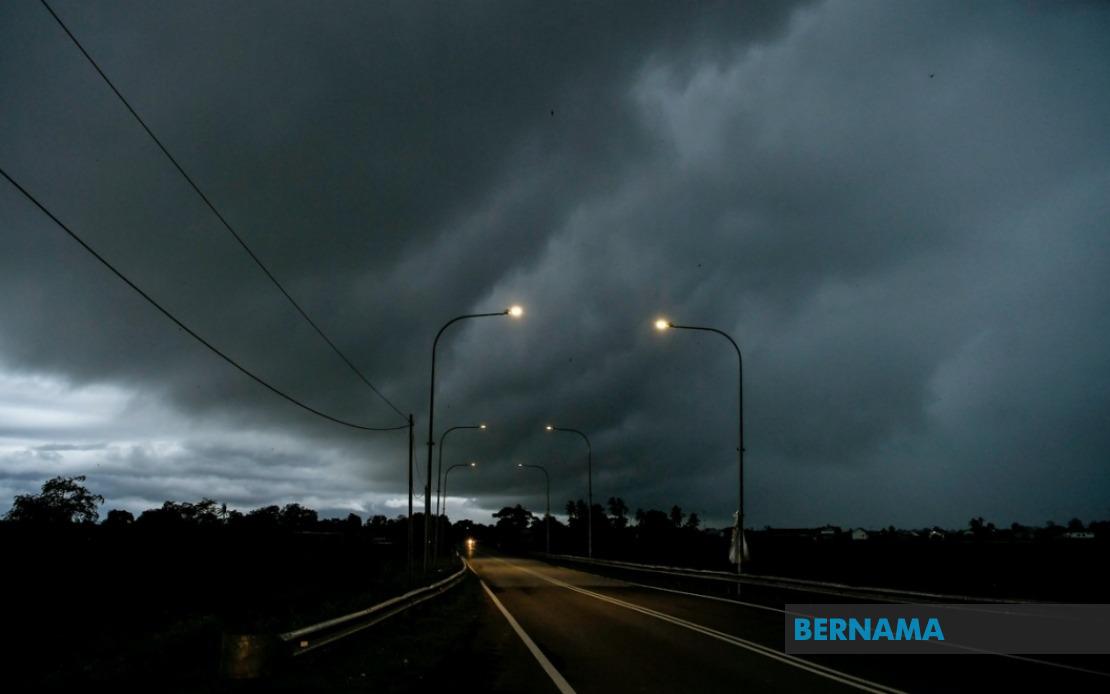
Residents across several states in Peninsular Malaysia are being advised to exercise caution as the Malaysian Meteorological Department has issued an active weather warning for thunderstorms accompanied by heavy downpours and gusty winds. The alert, which remains in effect until 12 pm today, affects a significant portion of the peninsula's western corridor and central regions, prompting authorities to monitor conditions closely as the nation enters what has been a particularly volatile monsoon season.
The geographical spread of the warning underscores the scale of the atmospheric disturbance affecting the region. In Kedah, residents in Kuala Muda and Yan face the brunt of the expected weather system, while the neighbouring state of Penang stands on alert for similar conditions. The alert extends southward through Perak's Bagan Datuk district, demonstrating how such weather phenomena can create coherent bands of instability across the peninsula despite variations in local geography and elevation.
The impact zone encompasses much of the Klang Valley and surrounding areas in Selangor, a region home to Malaysia's largest concentration of population and economic activity. Klang, Kuala Langat, Sepang, Kuala Selangor, Petaling, Sabak Bernam, and Gombak have all been flagged by meteorological officials, highlighting the vulnerability of Malaysia's most densely populated commercial and industrial corridor. This extensive coverage suggests that commuters, office workers, and businesses across these areas should prepare contingency plans for potential disruptions to transportation and daily operations.
The federal territories of Kuala Lumpur and Putrajaya are also within the warning zone, making this a weather event of national administrative significance. Government offices, public facilities, and the general public in these federal territories face potential disruptions as heavy rain and strong winds could impact visibility, road conditions, and outdoor activities. The inclusion of both the capital and the administrative centre indicates the breadth and intensity of the meteorological system affecting the peninsula.
Peering further north, a separate and slightly more prolonged alert has been issued across several districts in Perak, extending the warning window to 1 pm for Kerian, Larut, Matang and Selama, Manjung, Perak Tengah, and Hilir Perak. This differentiation in timing suggests that the weather system may be progressing northward or that meteorological conditions in these specific districts warrant an additional hour of caution. The extended alert for these areas reflects the unpredictable nature of tropical thunderstorms, which can vary significantly in duration and intensity across relatively short distances.
Thunderstorms of this nature during Malaysia's monsoon periods pose multiple hazards beyond the immediate inconvenience of rainfall. Strong winds accompanying such systems can damage structures, uproot vegetation, and create flying debris hazards. Flash flooding remains a persistent concern in low-lying areas and regions with inadequate drainage infrastructure, particularly in rapidly urbanised zones like parts of Selangor and Kuala Lumpur where impervious surfaces concentrate runoff. The heavy rain component, while necessary for the nation's water supply and agricultural needs, can overwhelm drainage systems when concentrated within short timeframes.
For commuters and travellers, the implications are substantial. Major expressways traversing the affected regions may experience reduced visibility and potential hazards, while public transportation schedules could face delays or disruptions. Those planning air travel from Kuala Lumpur International Airport or other regional facilities should monitor updates, as thunderstorms can occasionally necessitate temporary flight delays or diversions. The warning period, though limited to a few hours, emphasises the need for constant vigilance and readiness among residents and authorities.
The Malaysian Meteorological Department's approach of issuing time-specific warnings represents an important aspect of the nation's disaster preparedness framework. By providing clear geographical boundaries and time windows, the agency enables residents and authorities to take targeted protective measures rather than maintaining generalised heightened alert statuses. This precision in forecasting helps balance the need for public safety with maintaining normalcy in daily operations across unaffected areas.
Businesses and organisations across the alert zones may need to implement contingency protocols, including sheltering outdoor work crews, securing loose items, and preparing for potential flooding in vulnerable areas. Schools and educational institutions in affected districts should ensure students and staff remain indoors during the worst of the storm, while transport operators may need to adjust schedules or implement enhanced safety measures. Healthcare facilities, particularly those in flood-prone locations, should verify their emergency preparedness systems.
The concentration of these warnings during daylight hours offers some advantage, as reduced visibility and lighting conditions during night-time storms can compound the hazards. Residents are generally more alert and better positioned to respond to warnings when thunderstorms occur during waking hours. However, the midday timing may create challenges for schools and workplaces, potentially necessitating temporary lockdowns or shelter-in-place measures for groups already away from home.
Looking at the broader context, such warnings have become increasingly routine during Malaysia's monsoon seasons, reflecting both improved meteorological monitoring capabilities and the region's inherent vulnerability to tropical weather systems. The nation's climate position near the equator means persistent exposure to convective weather patterns, making such thunderstorm alerts a regular feature of the calendar rather than exceptional events. This normalisation underscores the importance of maintaining robust public awareness of storm safety protocols and ensuring that warning systems remain effective and responsive.

