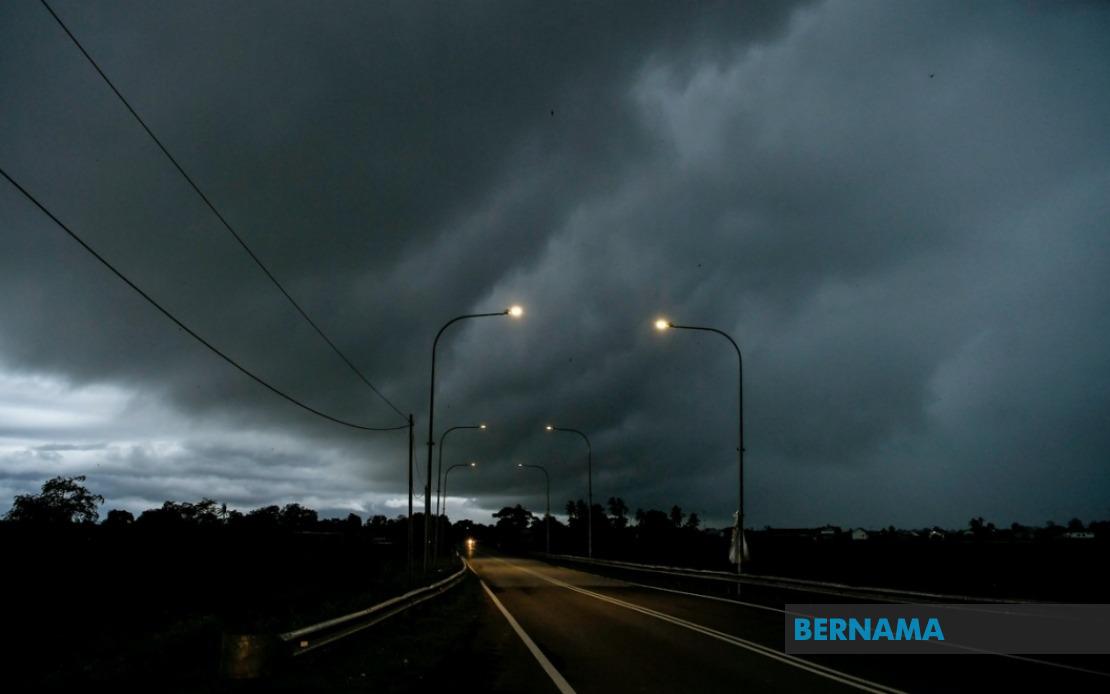
The Malaysian Meteorological Department has activated a weather alert system warning residents across multiple states to brace for severe thunderstorms, torrential downpours, and gusty winds extending through to the end of today. The advisory encompasses vast swathes of Peninsular Malaysia alongside portions of Sarawak and Sabah, signalling widespread atmospheric instability across the nation that could disrupt travel, outdoor activities, and essential services throughout the afternoon and evening hours.
For those residing in or travelling through Melaka, the entire state falls under the warning zone, meaning residents should expect sudden onset of heavy precipitation and electrical activity. The east coast state of Terengganu will similarly experience these conditions across multiple districts, including Setiu, Kuala Nerus, Hulu Terengganu, Kuala Terengganu, Marang, Dungun, and Kemaman, representing coverage of both interior and coastal regions that could experience flash flooding in low-lying areas and disrupted road networks.
In the central peninsula region, the inland districts of Jerantut and Bera in Pahang will face comparable weather patterns, whilst Negeri Sembilan residents in Jempol and Tampin should prepare for volatile conditions. The southern state of Johor, being a major commercial and residential hub, faces particularly extensive coverage under this alert, with six districts flagged for attention: Tangkak, Segamat, Muar, Batu Pahat, Kluang, and Pontian. This distribution indicates that southern commuters and logistics operations could face significant disruptions given the region's importance as a transport and economic corridor.
Cross-border implications extend to East Malaysia, where Sarawak faces thunderstorm risks in several divisions. The lower Rajang river area encompassing Sarikei and Sibu—two densely populated commercial centres—alongside the remote northern district of Limbang and Song in the Kapit Division, will experience the same adverse conditions. Furthermore, the Betong Division areas of Pusa, Saratok, and Kabong in the southwestern reaches of Sarawak fall within the warning perimeter, suggesting that interior communities and agricultural zones may face disruption to water supplies and communications infrastructure.
Sabah's exposure includes Sipitang in the Interior Division, a district known for its interior settlements and agricultural communities that could be particularly vulnerable to sudden weather changes. The eastern coastal areas of Sandakan and the Tawau Division—comprising the districts of Tawau, Kunak, and Lahad Datu—represent Malaysia's easternmost populated regions and major economic zones dependent on maritime and extractive industries that may face operational challenges during severe weather.
The timing of this alert, extending only until midnight, suggests the meteorological department's assessment that this particular weather system will pass relatively quickly, though residents should remain cautious even after the official warning expires. Thunderstorms of this magnitude can generate secondary hazards including lightning strikes, which pose significant risks to outdoor workers, sports participants, and those engaged in maritime activities across all affected regions.
For residents in these areas, standard precautions include avoiding unnecessary outdoor exposure, ensuring vehicle safety by sheltering under sturdy structures rather than beneath trees, and monitoring official channels for any escalation of the alert status. Particular caution should be exercised near bodies of water and in drainage-prone locations where sudden flash flooding represents a credible hazard during episodes of concentrated rainfall.
The scope of this alert—spanning from the developed urban concentrations of the Klang Valley corridor through to the remote interior settlements of Sarawak—underscores the scale of the atmospheric disturbance affecting the nation today. Agricultural operations, construction activities, and outdoor retail sectors across all seven states should implement weather-specific safety protocols and consider temporary suspension of vulnerable activities to protect workers and assets.
Commuters planning evening journeys should factor in potential delays caused by reduced visibility, waterlogged routes, and congested thoroughfares as drivers exercise heightened caution. For essential services and emergency responders, elevated preparedness levels may be warranted given the geographic spread and intensity of the anticipated conditions, particularly in districts with established flooding histories or drainage challenges.

