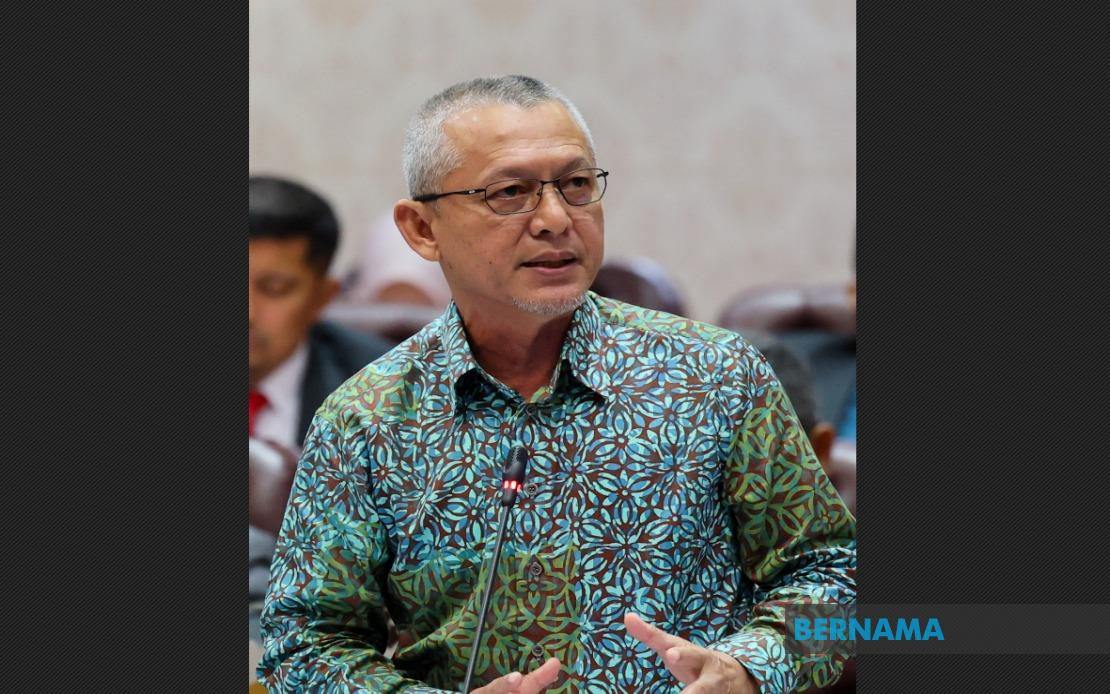
A significant reshuffling of Bersatu's Terengganu leadership has begun with the announcement of three senior figures stepping down from their roles, raising questions about internal dynamics within the party's state apparatus. Datuk Razali Idris, who leads the party machinery in Terengganu and holds a seat on the State Executive Council, formally notified Bersatu president Tan Sri Muhyiddin Yassin of his intention to resign as state chief on July 16, though his overture has yet to receive official acknowledgement or formal decision from the national headquarters.
Razali's position places him in a delicate situation, as his resignation letter has languished without response for nearly a month at the time of his statement. While he manages administrative responsibilities before fully stepping aside, Razali indicated he would tender his resignation as Marang division chief by mid-month, suggesting a carefully sequenced transition rather than an abrupt departure. His explanation that unfinished administrative tasks necessitated a staggered exit from his divisional role reflects the bureaucratic complexities of party structure in Malaysian politics, where orderly handovers are considered important for institutional continuity.
Two other assemblymen have similarly announced their departures from state party positions. Mohd Zawawi Ismail, representing Telemong in the state assembly, has stepped down as the party's state information chief, while Mohd Husaimi Hussin, the Hulu Besut representative, has relinquished his role as state treasurer. Both legislators confirmed they would submit formal resignation correspondence to central party leadership, though neither initially volunteered detailed explanations for their decisions. The timing and coordinated nature of these three resignations within the same state branch suggests underlying concerns or disagreements regarding party direction or governance that may not be immediately apparent from the public statements.
Crucially, all three figures have clarified that their departures are limited to party leadership positions rather than representing a complete break with Bersatu. By emphasising their continued membership, Razali, Mohd Zawawi, and Mohd Husaimi appear to be signalling that personal or political disagreements with state-level direction do not extend to rejection of the party itself. This distinction is significant in Malaysian politics, where party loyalty structures have long served as foundational elements of political careers and factional allegiances.
The lack of immediate response from Muhyiddin and the national headquarters to Razali's resignation since July 16 raises intriguing questions about party protocol and decision-making processes. Whether this silence reflects bureaucratic delay, strategic consideration, or deliberate non-engagement remains unclear. In some instances, Malaysian political parties have left resignations in abeyance as a method of maintaining optionality or signalling displeasure with departing members, though this approach is uncommon for figures of Razali's stature who maintain their executive council positions.
For Terengganu specifically, the turnover in party leadership carries implications for Bersatu's organisational strength in a state where it has sought to consolidate influence. The party's ability to retain capable assemblymen and administrator-politicians while managing internal transitions will influence its competitive positioning ahead of state electoral cycles. Bersatu's performance in Terengganu has formed part of broader coalition dynamics in the state, making leadership stability a material consideration for the party's stakeholders.
The departures also reflect broader patterns within Malaysian political parties, where state-level tensions frequently emerge between senior party organs and regional powerbrokers. Bersatu, as a relatively younger party within the Malaysian political ecosystem compared to established competitors like UMNO and PKR, has navigated constant organisational challenges and factional maneuvering. Leadership transitions at state level, particularly involving figures like assemblymen, can indicate pressure points or frustrations within the party apparatus that may escalate into more consequential internal disputes.
From a regional perspective, Terengganu's political dynamics have long been closely watched given the state's strategic importance in East Coast politics and its complex relationship with Malay-Muslim identity politics. The state has been a traditional UMNO stronghold that Bersatu has attempted to penetrate through coalition arrangements and leadership recruitment. Leadership instability within Bersatu's state machinery could affect these calculations and the broader PH-BN equilibrium in Terengganu state politics.
The question of why Muhyiddin has not yet formally addressed these resignations merits close observation. Unlike straightforward administrative departures, the silence from party headquarters on three simultaneous state leadership resignations suggests either deliberate holding tactics or unexpected complications in how these departures should be managed. Malaysian party presidents typically move expeditiously on formal personnel matters to project control and decisiveness, making delays conspicuous.
For Malaysian political observers, these developments underscore the fluid nature of party structures even within the relatively established Bersatu framework. While the three figures maintain their party membership, the resignation of state-level administrative and communication officers strips away important operational capacity. If additional resignations follow, or if other state branches experience similar leadership upheaval, it could signal deeper organisational strain within Bersatu that extends beyond Terengganu's specific context. The coming weeks will clarify whether these departures represent isolated incidents or symptoms of more substantial internal repositioning within the party structure.

