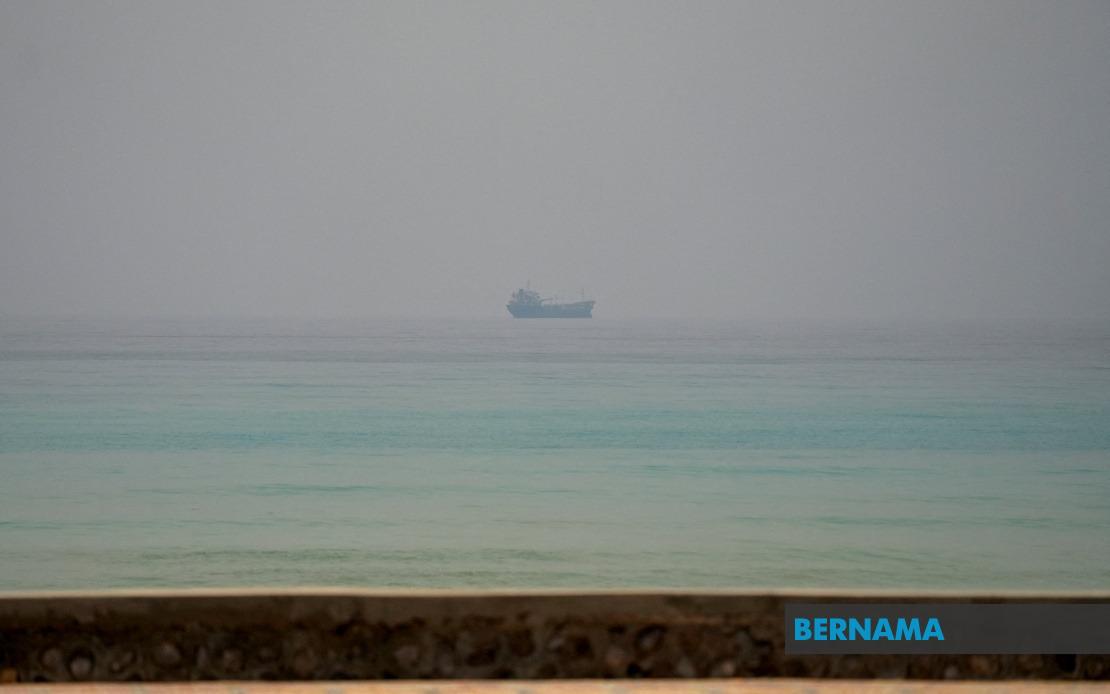
Three commercial vessels came under attack in separate incidents off the Omani coast on Tuesday, triggering rescue operations and deepening concerns about maritime security in one of the world's most critical shipping lanes. The coordinated strikes left three crew members unaccounted for and six others wounded, according to Oman's Maritime Security Centre, which has been closely monitoring the deteriorating situation in the region. The incidents occurred as geopolitical tensions surrounding control of the Strait of Hormuz continue to escalate, with the United States and Iran engaged in a cycle of military posturing that increasingly threatens commercial shipping in the waterway.
The first vessel to suffer an attack was the Stolt Magnesium, which was targeted approximately 40 nautical miles south of Al Sharqiyah Governorate in international waters beyond Oman's territorial jurisdiction. The strike ignited a fire within the tanker's engine room, forcing immediate evacuation procedures. All 23 crew members aboard the Stolt Magnesium were safely rescued by a passing merchant vessel and reported to be in stable condition, preventing what could have been a catastrophic loss of life. Rapid response from nearby maritime traffic in the congested waters proved crucial in this instance, highlighting the often overlooked role that cooperation among commercial vessels plays in preventing disasters at sea.
A second attack struck the tanker Mombasa B just 8.5 nautical miles from Musandam Governorate's coastline, substantially closer to Omani territory and indicating the assailants' willingness to operate in near-coastal waters where international naval presence is typically stronger. The projectile strike disabled the vessel's propulsion system, leaving it vulnerable and unable to manoeuvre independently. The Royal Navy of Oman deployed assets to stabilise the situation and coordinate the evacuation of all 21 personnel aboard. Among those rescued, six sustained injuries of varying degrees, requiring medical assessment and treatment. The proximity of this incident to the Omani coast raises particular concerns for regional security authorities about the reach and sophistication of whatever forces are conducting these operations.
The third strike targeted the tanker Al Bahyah, struck approximately 9.6 nautical miles from Musandam Governorate. This attack proved the most serious, resulting in the loss of one crew member and leaving three others missing as search and rescue operations commenced. Eighteen crew members were successfully evacuated before the vessel's condition stabilised, but the missing personnel indicate that the severity of this particular strike exceeded the others. The fact that one fatality was confirmed represents a significant escalation in the human cost of these incidents, moving beyond property damage and injuries to loss of life. Royal Navy of Oman vessels coordinated extensive search efforts, though visibility and sea conditions present ongoing challenges to locating the three missing individuals.
ADNOC Logistics & Services, the maritime subsidiary of Abu Dhabi National Oil Company, issued a statement confirming that two of the targeted vessels, Al Bahyah and Mombasa B, operated under its corporate flag and were transiting the Strait of Hormuz when struck by projectiles. The company's acknowledgement of the attacks adds weight to reports from official Omani authorities and frames the incident as a direct threat to the critical infrastructure supporting the Gulf region's petroleum exports. The involvement of a major UAE-linked entity underscores how these strikes affect not only maritime commerce but also the economic interests of Gulf Cooperation Council states, potentially escalating diplomatic consequences.
These incidents represent a dangerous manifestation of the broader confrontation between the United States and Iran over command of the Strait of Hormuz, through which approximately one-third of the world's seaborne oil trade transits daily. The pattern of attacks on commercial shipping, though attributed to neither party officially, occurs against a backdrop of tit-for-tat military actions and rhetoric that has positioned the waterway as a flashpoint for direct confrontation. The involvement of civilian commercial vessels in this strategic competition creates substantial risks for the global economy, as insurance costs rise and shipping companies face difficult decisions about routing and risk mitigation.
Oman's Foreign Ministry responded to the attacks by issuing a carefully worded statement emphasising the importance of respecting international law, maintaining freedom of navigation, and guaranteeing safe passage for merchant vessels through the Strait of Hormuz. This diplomatic language reflects Oman's traditional posture as a mediator in Gulf disputes and its interest in preserving open shipping lanes. However, the ministry's call for such assurances also implicitly acknowledges the current breakdown in maritime security norms, a situation that threatens to become permanent without major diplomatic intervention. Oman's geographic position astride the Strait of Hormuz and its historical role as a neutral broker mean that its statements carry particular significance for regional actors.
For Malaysian readers and regional observers, these incidents carry substantial implications for Southeast Asian economies heavily dependent on Gulf petroleum imports and for regional shipping companies operating in the broader Middle Eastern waters. The Strait of Hormuz remains the lifeline for energy supplies to Asia, and any prolonged disruption to shipping through increased attacks, insurance claims, or regulatory complications would ripple through supply chains and inflation rates across the region. Malaysian petrochemical industries, power generation facilities, and refineries all rely on stable supplies routed through this critical chokepoint, making the security situation directly relevant to domestic economic stability.
The escalating nature of these attacks, evident in the progression from property damage and injuries to confirmed fatalities, suggests that the situation remains volatile and unpredictable. Maritime security authorities throughout the region have intensified monitoring efforts and issued additional warnings to commercial vessels transiting the area. Shipping companies are implementing enhanced security protocols, rerouting vessels where possible, and increasing insurance coverage to account for the heightened risk environment. These measures, while protective, impose additional costs that ultimately flow to consumers through higher fuel and goods prices. The ultimate resolution of tensions in the Strait of Hormuz depends on diplomatic progress between major powers rather than enhanced security measures alone, making the current period one of considerable uncertainty for global energy markets and maritime commerce.

