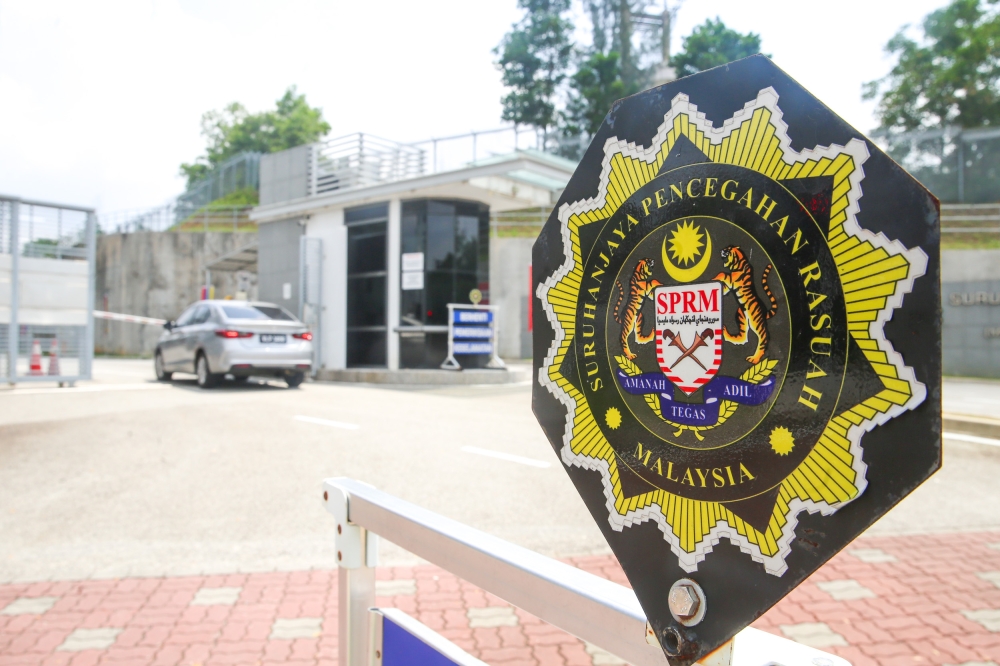
The Malaysian Anti-Corruption Commission has secured a five-day remand order against three individuals suspected of involvement in the alleged misappropriation of RM450,000 in penalty payments. The detentions, announced in Putrajaya on August 5, represent an expansion of MACC's investigation into what authorities are treating as a significant financial irregularity affecting public funds.
The move underscores the anti-corruption watchdog's commitment to pursuing cases involving the unauthorised use of financial instruments and penalty revenues. Remand orders of this duration are typically sought when investigators require substantial time to interrogate suspects, gather additional evidence, and piece together the operational mechanics of alleged misconduct spanning multiple transactions or a lengthy period.
Penalty payments recovered by government agencies constitute a critical revenue stream for public coffers. When such funds are diverted or misused, the impact extends beyond simple theft—it represents a breach of public trust and undermines the integrity of enforcement mechanisms across various regulatory bodies. The RM450,000 figure suggests a systematic rather than opportunistic mishandling of resources, warranting the scale of MACC's intervention.
The timing of this development follows what appears to be preliminary investigative work establishing sufficient grounds for detention. MACC typically operates through a process of initial tip-offs, preliminary interviews, document analysis, and pattern identification before moving to remand stage. The fact that three individuals have been targeted simultaneously indicates investigators likely view them as operating within a coordinated structure rather than acting independently.
For Malaysian citizens and observers of governance issues, this case carries implications beyond the immediate parties involved. It serves as a reminder that oversight agencies continue to identify and act upon breaches affecting the management of public monies. The MACC's capacity to secure remand orders demonstrates that investigative momentum is building, even as the broader investigation into the alleged misuse remains ongoing.
The remand period will be critical for investigators to establish the chain of custody for the penalty payments, identify individuals who authorised the allegedly improper transactions, and determine whether the misuse was conducted through falsified documentation or systematic manipulation of existing procedures. Such technical specifics often determine whether charges proceed and what potential sentencing guidelines apply.
Southeast Asian governance observers will note that Malaysia's anti-corruption apparatus continues to demonstrate operational capability in pursuing complex financial cases. The MACC's independence and willingness to investigate across institutional boundaries has been central to its credibility, though public confidence ultimately rests on the quality of prosecutions that follow arrests and detentions.
The alleged breach of RM450,000 also highlights vulnerabilities in how penalty and fine revenues are managed across government agencies. Whether the misuse occurred through administrative shortcomings or deliberate manipulation will shape recommendations that flow from this investigation. If systemic weaknesses are identified, government agencies may be required to strengthen oversight protocols and audit trails for penalty collections.
The investigation comes at a time when Malaysia's public sector continues efforts to strengthen financial controls and transparency standards. Successive governments have committed to improving governance metrics, and cases like this receive heightened scrutiny both domestically and internationally as indicators of institutional health.
Detainees will have access to legal representation during the remand period, and the five-day window allows for potential extension if investigators petition the court for additional time. Such extensions are granted when evidence suggests further questioning is necessary or when ongoing surveillance and document analysis requires continuation.
The outcome of this investigation will likely influence how similar penalty payment handling is monitored across other government departments. If the alleged misuse represents a gap in existing procedures rather than isolated criminal activity, administrative reforms may follow. Conversely, if evidence points to deliberate embezzlement, the case could establish important precedents for prosecuting breaches of financial stewardship in the public service.
The MACC's move also signals to public servants and officials that misuse of funds—regardless of source or amount—remains subject to investigation and potential prosecution. Deterrent effects of high-profile investigations often exceed the immediate impact of individual cases, influencing behaviour across institutions and sectors.

