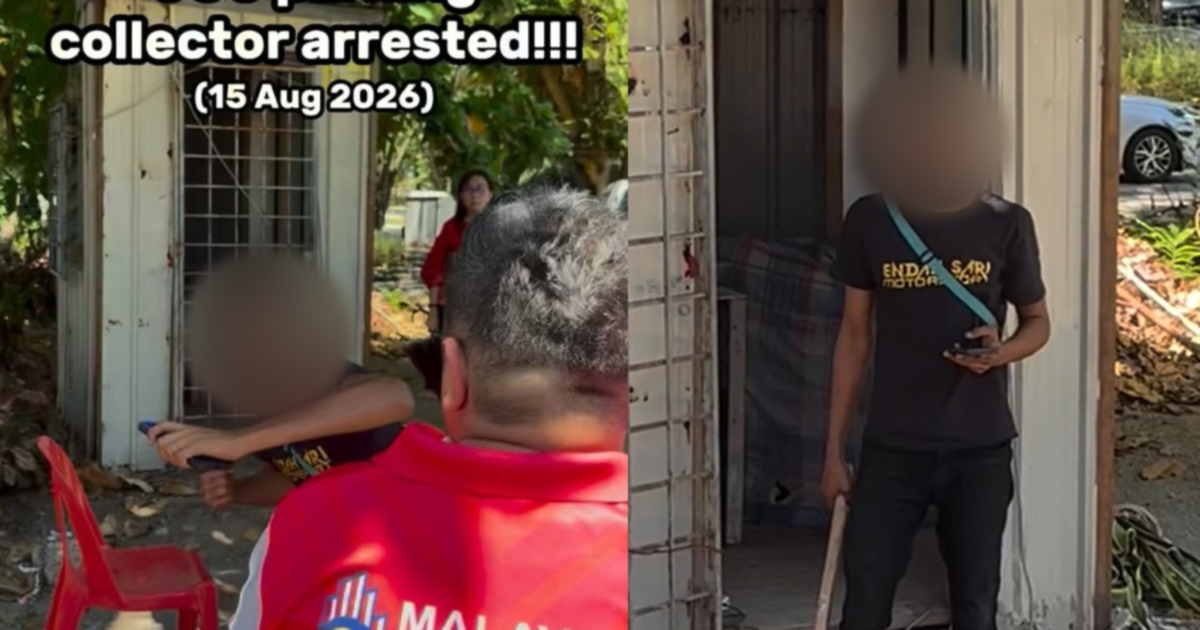
A violent confrontation in Kuala Lumpur's OUG district has resulted in the arrest of three men, following an assault on a 38-year-old woman who challenged them over illegal parking fee schemes. The incident underscores growing community frustrations with unlicensed individuals exploiting residential parking areas by charging unauthorised fees. Police moved swiftly to apprehend the suspects, signalling increased attention to such criminal activities in urban neighbourhoods where informal fee collection has become a persistent nuisance.
The alleged assault involved physical violence and threats directed at the woman when she questioned the men's authority to collect parking charges. Witnesses reported that the woman was struck in the head during the confrontation, suggesting a concerning escalation in tensions between residents and those operating illegal parking schemes. The threatening behaviour compounds the seriousness of the charges, indicating an attempt to intimidate and silence those who challenge these unlawful operations.
OUG, a well-established residential area in central Kuala Lumpur, has long struggled with parking management issues. The proliferation of illegal fee collection schemes reflects inadequate official parking infrastructure and weak enforcement against such activities. Residents have repeatedly complained about individuals claiming authority to collect charges without proper documentation or sanction from local authorities, creating confusion and resentment within the community.
The distinction between legitimate parking management and organised extortion is critical. When individuals collect fees without proper licensing or municipal authorisation, they essentially operate as racketeers, exploiting residents' concerns about parking violations and enforcement. The willingness to resort to violence suggests these operations may be more organised and entrenched than casual informal arrangements, potentially involving coordinated networks across multiple residential areas.
This incident carries significant implications for residential safety and community cohesion in Malaysian urban areas. Residents deserve secure environments where they can challenge questionable practices without fear of retaliation. The assault represents a troubling trend where criminal elements use intimidation to protect their lucrative schemes, shifting disputes from the civil realm into territory marked by threats and violence.
The role of police in responding rapidly to such incidents is crucial for maintaining public confidence in law enforcement. Swift arrests send a clear message that violence in response to being challenged will not be tolerated, and that those conducting illegal operations cannot rely on intimidation as a protective mechanism. However, arrests alone address symptoms rather than root causes of the problem.
Larger systemic solutions require coordination between local authorities, municipal councils, and police to implement comprehensive parking management strategies in residential areas. Official parking solutions, clearly marked designated zones, and transparent fee structures would eliminate the conditions allowing illegal operators to flourish. Residents need accessible channels to report suspicious parking fee collection without fear of consequences.
The incident also highlights the need for community awareness regarding legitimate versus illegitimate parking enforcement. Many residents remain uncertain about who has genuine authority to collect parking fees, creating opportunities for fraudsters to exploit confusion. Public education campaigns clarifying proper procedures and providing emergency contact numbers for reporting violations would empower residents to distinguish between lawful and unlawful operations.
Malaysia's ongoing urbanisation has created growing pressure on parking resources, particularly in established neighbourhoods where infrastructure has not kept pace with vehicle ownership. This supply-demand imbalance creates an environment where illegal operations can operate with relative impunity, as frustrated residents may sometimes pay fees to avoid complications, inadvertently funding criminal activities. Addressing the underlying parking shortage represents the most sustainable long-term solution.
The economic dimension of these schemes cannot be ignored. Illegal parking fee collection represents lost revenue for municipal governments and creates unfair competition against legitimate parking operators. Over time, if unchecked, such operations can fragment community trust and encourage other informal economic activities that similarly operate beyond regulatory frameworks, gradually eroding civic order.
Looking forward, this case provides momentum for authorities to launch broader investigations into organised illegal parking schemes across Kuala Lumpur's residential districts. Pattern analysis could reveal networks of individuals operating multiple locations, suggesting organised rather than opportunistic criminal activity. The allocation of dedicated resources to investigating parking-related crimes reflects their underestimated impact on urban quality of life and community safety.
Residents in affected areas have expressed appreciation for police intervention while simultaneously calling for permanent solutions. The expectation is that authorities will move beyond individual arrests to develop and implement preventive strategies that make illegal operations untenable while simultaneously establishing legitimate, transparent parking management systems. Only through such comprehensive approaches can communities like OUG reclaim peaceful residential environments free from both parking management confusion and the threat of violence.

