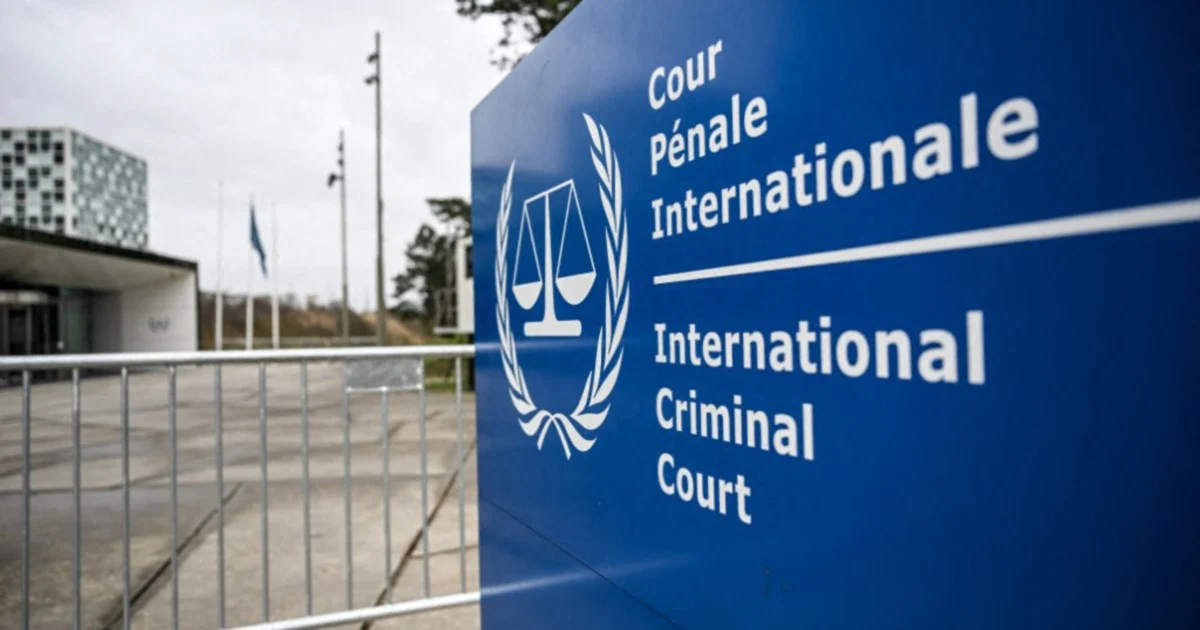
Three judges serving on the International Criminal Court initiated legal proceedings in a New York court on Wednesday, directly challenging sanctions that the United States imposed against them. The lawsuit names President Donald Trump and other high-ranking officials within his administration as defendants, with the judges asserting that the measures violate fundamental principles of law and their constitutional rights.
The sanctions in question represent an escalation in tensions between the Trump administration and the ICC, an independent international tribunal established to prosecute genocide, crimes against humanity, and war crimes. The judges argue that being targeted by unilateral American punitive measures infringes upon their ability to perform their judicial duties impartially and undermines the independence that international courts require to function legitimately.
This legal action comes amid broader friction between the United States and the ICC, particularly regarding investigations into alleged war crimes. The Trump administration has previously taken aggressive positions toward the tribunal, viewing certain ICC investigations as threats to American interests and those of allied nations. The specific sanctions against the judges are characterised by the plaintiffs as disproportionate and designed to intimidate the court rather than serve any legitimate policy objective.
The judges contend that the sanctions lack legal foundation under international law and violate their rights to due process. They argue that penalising judicial officers for performing their official functions sets a dangerous precedent for international justice and could discourage other judges and prosecutors from pursuing investigations independently. The lawsuit reflects growing concern among international legal professionals about state pressure on international courts.
For Southeast Asian observers, this dispute carries significance beyond the immediate parties involved. Many countries in the region have complicated relationships with international judicial mechanisms, balancing concerns about national sovereignty with commitments to international law. The outcome of this case could influence how powerful nations approach international courts and whether such courts can maintain the independence necessary to investigate serious crimes fairly.
The case also illustrates broader tensions within the international legal order. As nations increasingly view international institutions through the lens of national interest, courts like the ICC face pressure from powerful actors seeking to limit investigations or punish officials perceived as unfriendly to their governments. This dynamic threatens to undermine the court's ability to function as an impartial arbiter of international crimes.
The lawsuit documents extensive allegations about the impact of sanctions on the judges' personal circumstances, professional standing, and capacity to discharge their responsibilities. The plaintiffs argue that these measures constitute a form of retaliation designed to obstruct the court's work and discourage investigations the United States opposes. They contend the sanctions violate customary international law principles protecting judicial immunity and the independence of international courts.
What makes this case particularly notable is that it transposes international disputes into the American domestic legal system. By filing in New York, the judges are invoking US constitutional protections and asking American courts to rule that the executive branch exceeded its authority in imposing the sanctions. This approach could prove influential depending on how courts respond, potentially establishing precedents about the limits of executive power regarding international relations.
The timing of the lawsuit reflects ongoing uncertainty about the American relationship with international institutions under the current administration. Previous positions taken by Trump officials regarding the ICC suggest deep scepticism about the court's legitimacy and fairness. The judges' legal challenge represents an attempt to use American law itself to constrain executive power they view as illegitimate.
Interpretations of this dispute often divide along ideological lines. Supporters of the sanctions argue they represent legitimate efforts to protect American sovereignty and prevent investigations into allies' conduct. Critics contend that permitting powerful nations to sanction international judges essentially allows them to intimidate courts into inaction, rendering international justice mechanisms merely symbolic rather than functional.
The implications for regional stability merit attention. If powerful nations successfully pressure international courts through sanctions and other coercive measures, smaller countries may lose confidence in such mechanisms' ability to provide accountability for serious crimes. This could have consequences for how alleged atrocities are addressed globally and whether victims achieve justice through international legal processes.
Regional legal experts point out that the case raises fundamental questions about international institutional design. If wealthy and powerful nations can unilaterally punish judges they disagree with, international courts become dependent on great power forbearance rather than operating according to independent legal principles. Such dependency fundamentally compromises their legitimacy and effectiveness.
The judges' lawsuit represents a significant test of whether international legal actors can effectively resist state pressure through available legal mechanisms. The outcome will likely influence how other international officials approach politically sensitive investigations and whether the ICC can maintain sufficient independence to function as its founders intended.

