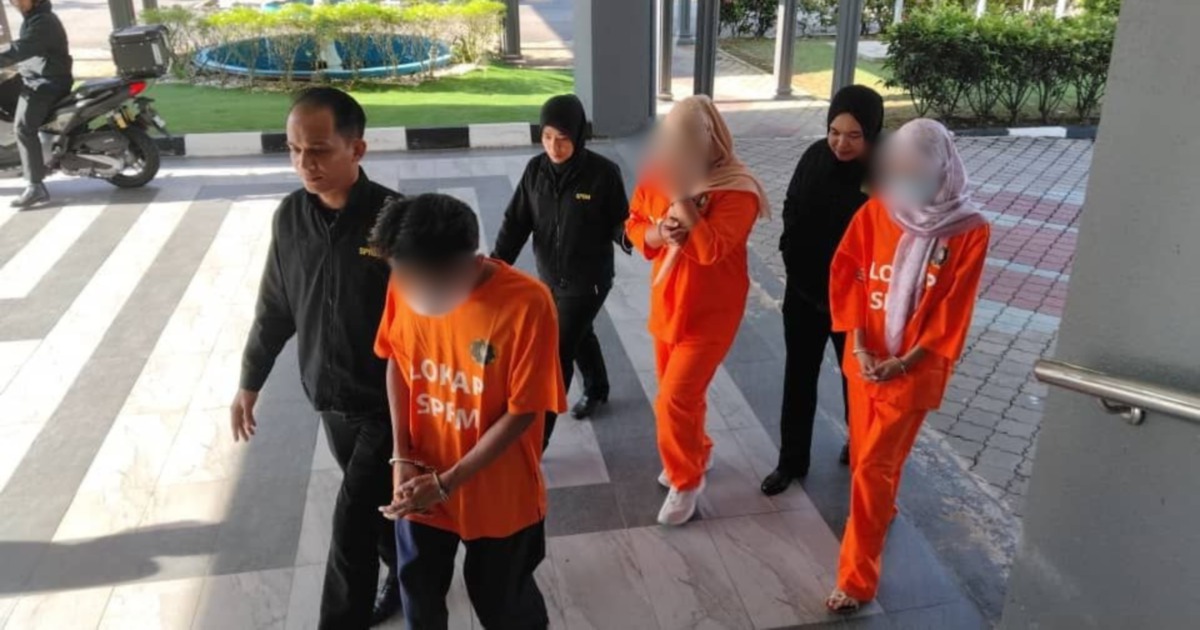
Authorities in Terengganu have escalated their crackdown on corruption within the event catering sector after detaining three suspects accused of orchestrating a RM51,000 fraud scheme centred on fabricated wedding catering invoices. The Terengganu branch of the Malaysian Anti-Corruption Commission moved swiftly to remand the trio, signalling renewed enforcement focus on how dishonest vendors exploit ceremonial spending across Malaysia's corporate and institutional procurement networks.
One of the detainees held a supervisory position at a frozen food distribution company, a background that investigators believe gave him access to inventory systems and supplier relationships crucial to executing the alleged deception. The scale of the fraud—involving more than RM51,000 in false billing—suggests a methodical operation rather than isolated opportunism. Preliminary findings indicate the individuals coordinated their activities across multiple transactions, a pattern that typically indicates knowledge of loopholes in verification procedures or deliberate collusion with approvers.
The specificity of wedding catering fraud reveals vulnerability in Malaysia's event services procurement landscape. Unlike industrial or technical goods, catering claims rely heavily on subjective assessment of quality, portion size, and service provision, making them inherently difficult for auditors to verify retrospectively. Clients, especially individuals or smaller organisations, may lack the expertise to scrutinise invoices thoroughly. This opacity creates fertile ground for vendor malpractice—a problem particularly acute in contexts where repeat customers or referral networks reduce the incentive for transparency.
Terengganu's MACC branch has positioned this action within a broader mandate to safeguard public spending and maintain institutional integrity. Wedding-related expenditure frequently flows through government bodies conducting official ceremonies, statutory corporations budgeting for staff events, and semi-public institutions. When corruption infiltrates these channels, it not only diverts public resources but erodes trust in institutional procurement processes. The decision to remand rather than release on bail suggests investigators believe the suspects pose a flight risk or may obstruct further inquiries.
For catering vendors operating legitimately across Peninsular Malaysia and East Malaysia, such enforcement actions carry an implicit warning. The industry—worth hundreds of millions annually when factoring in corporate events, weddings, conferences, and government functions—remains relatively unregulated in terms of vendor licensing or standardised billing practices. Reputable operators may increasingly face customer scepticism when seeking business, collateral damage from systemic fraud that damages consumer confidence.
The remand framework allows investigators to consolidate evidence, interview accomplices, and trace financial flows across bank accounts and payment platforms. Given the coordinated nature alleged here, authorities likely seek to establish whether the scheme involved collusion among procurement approvers, whether invoices were submitted to government entities or private organisations, and whether digital systems were manipulated to bypass validation checks. Each detail carries implications for how future safeguards should be architected.
Catering fraud in the Malaysian context often operates through secondary mechanisms: false receipts, phantom suppliers, inflated headcounts, or phantom staff attendance claims. The frozen food company angle suggests possible inventory manipulation where subsidised or cost-price stock was billed at premium catering rates. Alternatively, the manager's position may have facilitated creation of fake supplier invoices using the company's credentials, allowing fraudsters to launder inflated catering claims through legitimate-appearing channels.
This case arrives amid growing anxiety about procurement integrity across both public and private sectors in Malaysia. Recent years have witnessed heightened MACC attention on hospitality, events management, and service contracts—areas notorious for subjective pricing and minimal documentation trails. The decision to prosecute aggressively sends a deterrent message that even organisationally embedded fraud will attract investigation and public exposure.
Regional observers should note that the Terengganu case reflects patterns visible across Southeast Asia, where event-based procurement remains a vulnerability point. Thailand, the Philippines, and Indonesia have similarly recorded catering and hospitality fraud cases. Malaysian regulatory bodies increasingly recognise that transparency in vendor selection, standardised invoicing formats, and mandatory digital audit trails represent essential defences. Terengganu's action underscores this shift toward preventive infrastructure rather than reactive prosecution alone.
The broader implications for Malaysian consumers and organisations are substantial. Wedding catering spending represents a significant household budget item for middle-class Malaysians, and when fraudulent vendors proliferate unchecked, prices inflate across the entire market as honest competitors struggle to compete. The remand of these three suspects offers opportunity for authorities to comprehensively map the network and dismantle operations enabling widespread billing fraud. Whether this investigation yields systemic reforms or remains confined to individual prosecutions will determine whether catering procurement in Malaysia genuinely improves or merely undergoes temporary disruption before fraudsters adapt their methods.

