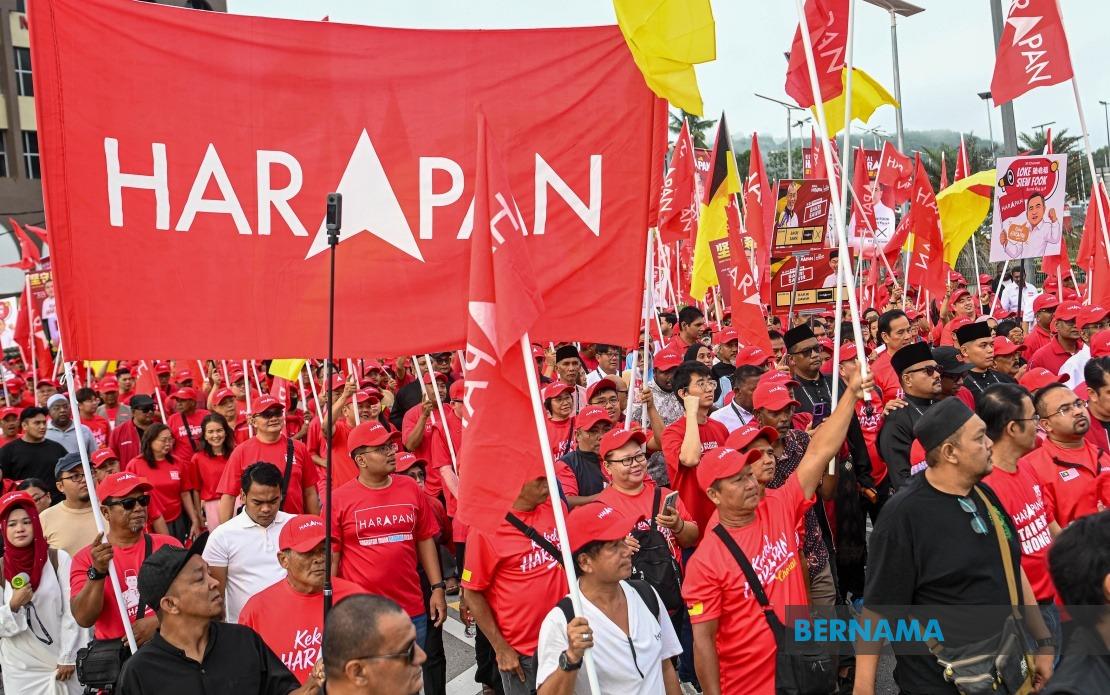
The Negeri Sembilan state election is shaping up to be a closely contested affair, with three key constituencies facing multi-way battles that will test voter allegiances across the politically fragmented landscape. The nomination process concluded on July 18 in Jelebu, with the Jelebu Parliamentary returning officer Abdul Rahim A Aziz confirming that Pertang, Klawang and Sungai Lui will each host three-cornered contests, setting the stage for a complex electoral contest in the 16th Negeri Sembilan State Election.
In Pertang, the battleground is defined by a clash between the incumbent and a divided opposition. Datuk Seri Jalaluddin Alias, representing Barisan Nasional, will defend his seat against two challengers: Mohd Umry Abdul Khois from Pakatan Harapan and Mohd Faizal Fadli Mohd Idrus from Bersatu. Jalaluddin enters the contest with significant electoral credibility, having won the previous state election with a commanding 2,844-vote majority over Perikatan Nasional's Amirudin Hasan, securing 5,634 votes in that contest. His incumbency advantage and established support base position him as a frontrunner, though the split opposition vote between PH and Bersatu could prove decisive if either challenger gains traction among discontented voters.
The Sungai Lui constituency carries an intriguing human dimension, as the three candidates are former schoolmates competing in a contest that will test long-standing community relationships. Datuk Mohd Razi Mohd Ali carries the Barisan Nasional banner, while Zainal Fikri Abd Kadir represents Pakatan Harapan and Mazrulhisham Abd Mansor flies the Bersatu flag. This familiar dynamic between the contenders suggests that personal networks and grassroots engagement may prove as significant as party machinery in determining the outcome, potentially making it one of the more unpredictable contests in the election.
Klawang presents a different challenge, with the incumbent Datuk Bakri Sawir of Pakatan Harapan facing pressure from challengers Muhammad Adib Musa of Bersatu and Danni Rais of Perikatan Nasional. As the sitting representative, Bakri must consolidate PH support while demonstrating tangible delivery on local issues, but the emergence of two well-organised challengers means the seat cannot be considered secure. The presence of PN in this particular three-cornered fight adds another variable to the state's political equation, suggesting that the opposition to BN is fractured across multiple platforms rather than coalescing around a single alternative.
The fragmentation visible across these three constituencies reflects broader trends in Malaysian politics following the 2022 general election, where the traditional two-coalition structure gave way to a more complex, multi-party environment. Bersatu's presence in multiple contests signals its effort to establish a significant foothold in Negeri Sembilan, while Perikatan Nasional's participation in Klawang demonstrates its continued attempts to gain ground at state level. This splintering of the opposition vote could theoretically benefit the incumbent BN if opposition support remains divided, though sophisticated voters may tactically choose which challenger to support based on local circumstances.
The Election Commission has scheduled early voting for July 28, followed by the main polling day on August 1, allowing voters two opportunities to cast their ballots. The compressed timeline between nomination and voting means campaigns will be intensive, with parties relying heavily on ground organisation and digital mobilisation to reach voters. For residents in these constituencies, the rapid pace also means that undecided voters will need to make their choices quickly, potentially disadvantaging lesser-known candidates who depend on extended campaigns to build visibility.
For Malaysian voters and observers, these Negeri Sembilan contests offer a crucial barometer of political sentiment following the recent federal government formation and any evolving attitudes towards the coalitions. Negeri Sembilan, as a state with historically moderate voting patterns, often serves as a microcosm of broader national trends. The outcome in these three seats could provide early signals about the sustainability of the current federal arrangements and whether the multi-party fragmentation witnessed at federal level will persist or consolidate at state level in coming elections.
The three-cornered fight format also means that plurality rather than majority support may determine outcomes, introducing an element of unpredictability. Candidates winning with 30 to 35 percent of the vote in highly fragmented contests lack the mandate that traditional two-way contests provide, potentially creating legitimacy questions or governance challenges for newly elected representatives who lack clear majority support in their constituencies.
For the broader Southeast Asian region, Malaysia's continued management of increasingly complex multiparty electoral contests offers lessons in democratic resilience and accommodation. The willingness of multiple parties to contest and participate in elections, combined with the electoral commission's ability to manage the process, demonstrates institutional capacity even as the political landscape grows more complicated. The Negeri Sembilan election will further test these systems and processes.

