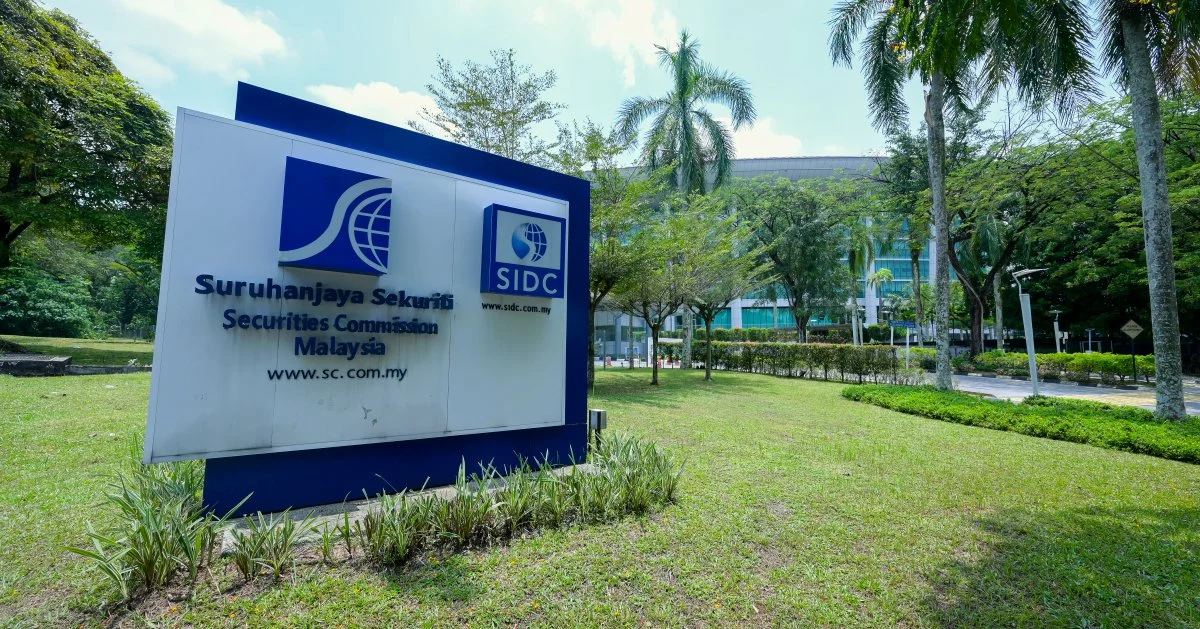
Three brothers have been formally charged at the Kuala Lumpur Sessions Courts in connection with unlicensed capital market activities, the Securities Commission announced. The charges mark a significant enforcement action against individuals operating outside the regulatory framework that governs Malaysia's financial markets, underscoring intensifying scrutiny of informal investment schemes across the country.
The Securities Commission, Malaysia's primary market regulator responsible for overseeing securities trading and investment activities, brought the charges through separate court proceedings at three different Sessions Court divisions. This enforcement approach reflects the commission's commitment to dismantling networks that circumvent licensing requirements and expose Malaysian investors to unprotected financial risk.
Unlicensed capital market activities represent a persistent challenge within Malaysia's financial ecosystem. These operations typically involve individuals or entities offering investment services, trading facilities, or financial advice without proper authorisation from the Securities Commission. Such activities are particularly concerning because they operate outside the regulatory safeguards designed to protect retail investors from fraud, mismanagement, and inadequate disclosure of investment risks.
The nature of unlicensed market operations varies considerably. Some networks function as Ponzi schemes promising unusually high returns to attract new investors, while others may operate as informal forex trading platforms or cryptocurrency investment syndicates. What unites them is their fundamental violation of securities law—the absence of proper licensing and regulatory oversight that ensures investor protection through mandatory capital adequacy requirements, segregated client accounts, and transparent business practices.
For Malaysian investors, the proliferation of such schemes carries substantial consequences. Individuals who deposit funds with unlicensed operators lose access to compensation mechanisms available through regulated entities. The Securities Commission's Investor Protection Fund, for instance, covers losses arising from licensed intermediaries' failure, but offers no recourse for those dealing with unregistered operators. This gap incentivises illicit operators to expand their activities, particularly among less financially literate population segments.
The regulatory environment in Malaysia has become increasingly sophisticated in recent years, with the Securities Commission deploying advanced surveillance technologies and analytical tools to identify suspicious trading patterns and investment schemes. Cross-border coordination with international regulators has also improved, enabling authorities to pursue cases involving offshore components or international money flows. These coordinated efforts have yielded more frequent enforcement actions against illegal market participants.
The charges against the three brothers signal the Securities Commission's determination to pursue criminal sanctions against individual market actors rather than confining enforcement to civil remedies. Criminal prosecution carries the potential for imprisonment and substantial fines, creating meaningful deterrents for prospective unlicensed operators. This escalation in enforcement intensity reflects growing public concern about investment fraud and the regulatory body's enhanced capacity to build prosecution cases.
Southeast Asia broadly faces comparable challenges with unlicensed market operators, particularly as digital platforms and social media facilitate marketing of investment schemes to geographically dispersed populations. Malaysian authorities' actions align with enforcement priorities across the region, where regulators in Singapore, Thailand, and Indonesia have similarly intensified crackdowns on informal trading networks and investment syndicates operating without proper licensure.
The timing of these charges occurs within a broader policy context emphasising financial inclusion and investor education. While authorities take enforcement action against unlicensed operators, they simultaneously promote awareness campaigns explaining the risks of informal investment schemes and the advantages of dealing with licensed intermediaries. This dual approach acknowledges that enforcement alone cannot solve the supply-side problem of investors seeking alternative investment venues, particularly those dissatisfied with returns from conventional banking channels or stock market investments.
The Securities Commission oversees a comprehensive licensing regime requiring intermediaries to meet stringent capital, competency, and governance standards. Individuals seeking to offer investment services, provide trading facilities, or dispense financial advice must obtain appropriate licences and maintain compliance with ongoing regulatory requirements. The costs and administrative burdens associated with this regime create incentives for marginal operators to circumvent the system, explaining why unlicensed activities persist despite consistent regulatory messaging about legal risks.
These prosecutions also illuminate the vulnerability of retail investors to fraud and misrepresentation. Unlicensed operators frequently target individuals through personal networks, religious or community groups, and online platforms, leveraging relationships and trust to overcome investor scepticism. Some pitch themselves as providing superior returns through proprietary trading strategies, insider market knowledge, or speculative activities that licensed operators cannot undertake due to regulatory restrictions.
The outcome of these cases will likely be monitored closely by other market participants, both legitimate and illegitimate. Successful prosecution could reinforce deterrent effects, while acquittals or lenient sentencing might embolden further unlicensed operations. The Securities Commission's continued vigilance and willingness to pursue criminal charges represents an essential component of market integrity maintenance and investor protection in Malaysia's financial system.

