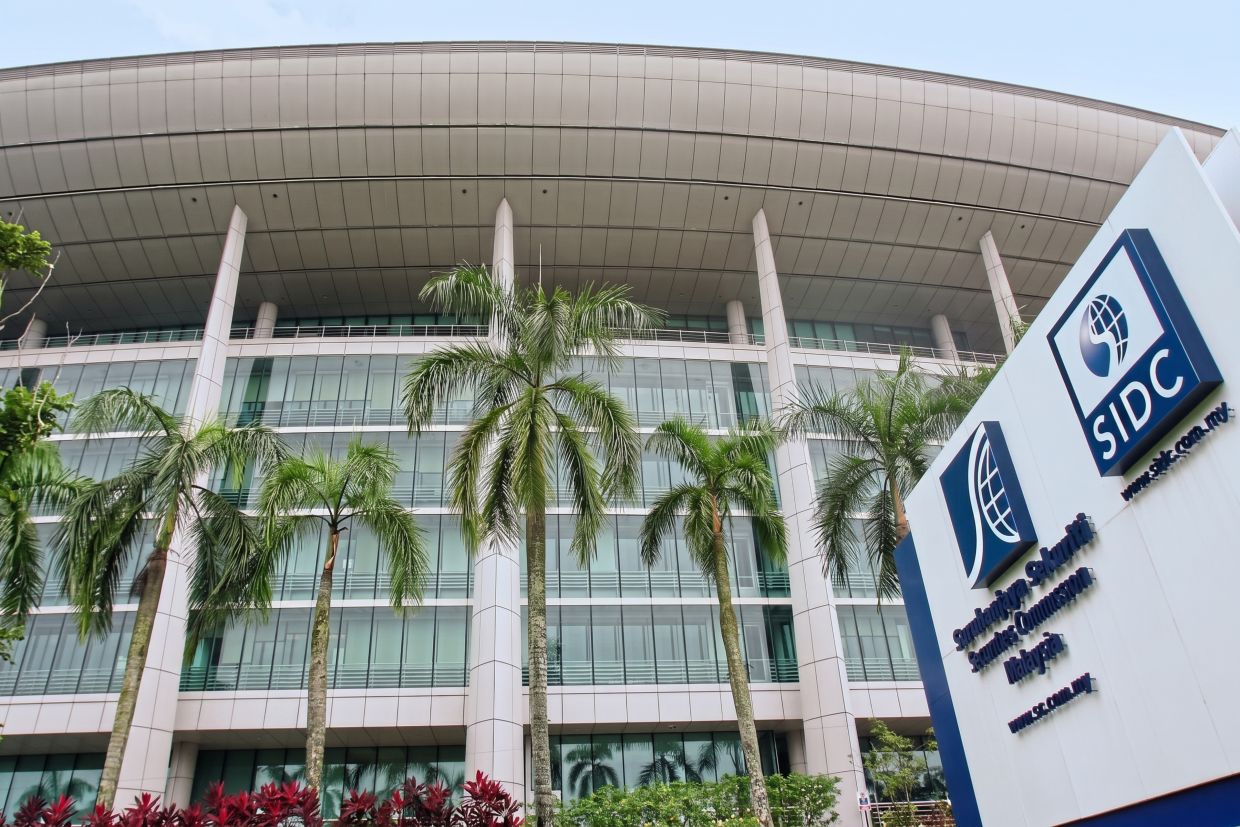
The Securities Commission Malaysia (SC) has brought charges against three brothers across separate proceedings in Kuala Lumpur Sessions Courts for engaging in unlicensed securities operations. Anuar Hassan, Mohd Amin Hassan and Amir Hassan collectively face numerous counts under the Capital Markets and Services Act 2007 (CMSA), marking a significant enforcement action by the financial regulator against unlicensed market participants.
Mohd Amin Hassan has been charged with a single count of operating a securities dealing business without proper licensing, violating section 58(1) of the CMSA. The court granted him bail at RM30,000 supported by two Malaysian sureties, while imposing additional conditions including surrendering his passport and submitting to monthly reporting requirements with the SC's investigating division. Such conditions reflect the regulator's concern about the gravity of the alleged breach and the need to maintain oversight during proceedings.
Anuar and Amir face joint charges under section 58(1) of the CMSA in conjunction with section 34 of the Penal Code, which allows for the attribution of liability to multiple persons acting in furtherance of a common objective. Each brother received identical bail arrangements of RM30,000 with two sureties, alongside passport surrender and monthly SC reporting obligations. The invocation of the Penal Code section suggests the authorities view the conduct as a coordinated scheme rather than isolated transgressions.
Further proceedings reveal additional complexity in the charges. Amin and Amir were separately charged under section 58(1) of the CMSA, again read with section 34 of the Penal Code. In these instances, bail was set at RM20,000 each with two sureties and matching conditions. Amir additionally faced two separate charges purely under section 58(1), for which bail was fixed at RM30,000 with similar reporting and passport restrictions. The multiplication of charges across different court dates underscores the sprawling nature of the alleged unlicensed activities.
Anuar and Amin were also jointly charged under section 58(1) of the CMSA with section 34 of the Penal Code, receiving bail of RM30,000 each. Anuar faced yet another standalone charge under section 58(1), with bail set at RM30,000. The overlapping charge structures and repeated bail arrangements across multiple court appearances suggest the investigation uncovered a complex pattern of involvement, with different combinations of the brothers implicated in distinct securities transactions or schemes.
The conduct alleged against all three brothers centred on conducting a business of dealing in securities without holding the SC's mandatory Capital Markets Services Licence. Such licensing is fundamental to Malaysia's financial system, ensuring that those offering securities services meet stringent competency, capital and governance standards. Unlicensed dealing exposes investors to heightened risks of fraud, misappropriation and incompetent handling of funds, which the SC is empowered to prevent through criminal enforcement.
The alleged offences took place between March 2019 and October 2019 across multiple jurisdictions including Kuala Lumpur, Putrajaya, Selangor and Johor. This geographic span suggests the brothers may have operated across state boundaries or targeted clients in different regions, potentially making their unlicensed activities more visible or damaging to market integrity. The specific timeframe and locations will likely feature prominently in the prosecution's case.
All three brothers have elected to claim trial rather than enter guilty pleas, indicating they intend to contest the charges. This decision means the courts will conduct full evidentiary proceedings, with the SC bearing the burden of proof beyond reasonable doubt. Their decision to fight the allegations suggests either disagreement with the factual characterisation or a belief that they possessed some form of legitimate authority to conduct the securities business, though the SC maintains no such licence was held.
The potential penalties attached to these offences are severe. Conviction on any count relating to unlicensed securities dealing under section 58(1) of the CMSA carries a maximum fine of RM10 million, imprisonment of up to 10 years, or both. For white-collar financial crimes in Malaysia, such sentences represent substantial deterrence, reflecting Parliament's intention to maintain the integrity of the capital markets against unregulated actors. The cumulative exposure across multiple charges means the brothers potentially face years of imprisonment and multi-million ringgit fines if convicted on all counts.
This enforcement action forms part of the SC's broader mandate to police capital markets activities and protect retail investors from fraudulent or unlicensed schemes. Malaysia's securities sector has faced periodic enforcement campaigns against unlicensed operators, particularly those using digital platforms or targeting unsophisticated investors. The prosecution sends a clear message that operating without licensing—regardless of sophistication or profit motive—attracts criminal liability.
For Malaysian investors and the broader financial community, the case underscores the importance of verifying that any securities service provider holds current SC licensing. The SC maintains a searchable public register of licensed entities, and investors should consult this before engaging with any fund manager, investment advisor or securities dealer. Unlicensed operators often promise unrealistic returns and lack the protective mechanisms embedded in licensed firms, including client compensation schemes and regulatory oversight.
The outcome of these proceedings will provide important guidance on how Malaysian courts interpret and apply the CMSA's unlicensed dealing provisions. Given the clear statutory language and the SC's investigative capacity, such cases typically result in conviction, though sentence length and specific factual findings may vary. The case also reinforces that the SC's enforcement priorities remain focused on protecting market integrity and ensuring a level playing field for licensed participants.

