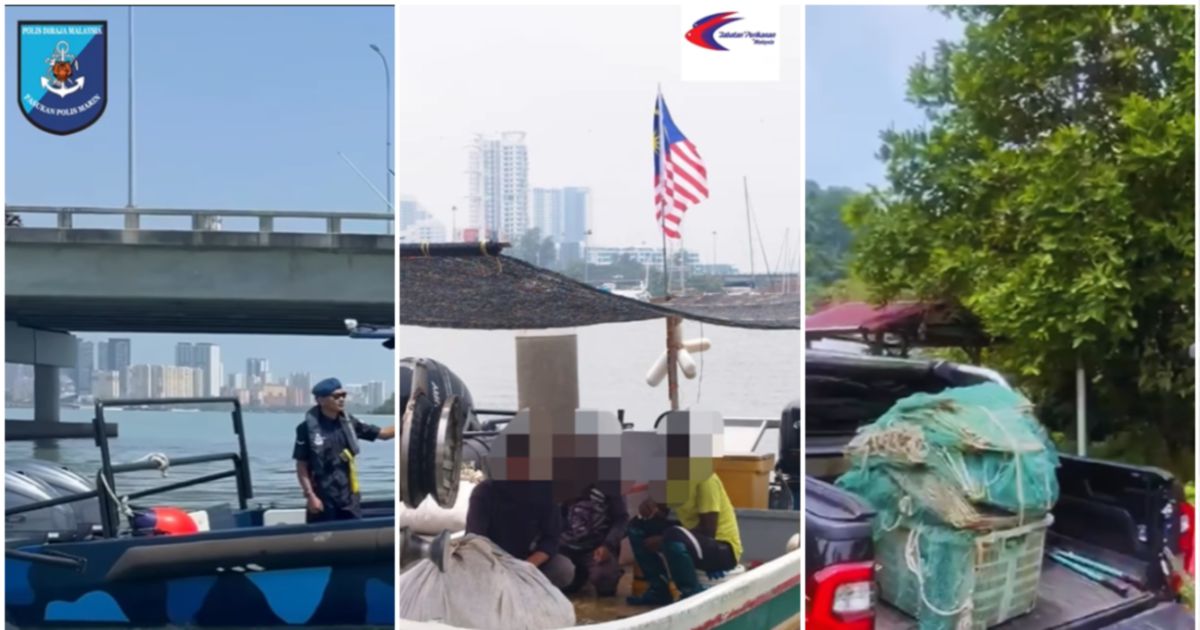
A coordinated enforcement operation in Penang waters has resulted in the arrest of three individuals and the seizure of a fishing boat and assorted equipment valued at RM75,360, authorities confirmed yesterday. The action represents intensified efforts by multiple agencies to combat illegal or unlicensed fishing activities across the state's maritime boundaries.
The joint operation, conducted by enforcement teams in Penang waters, targeted vessels suspected of operating outside regulatory frameworks. The confiscated assets include both the vessel itself and related fishing apparatus, indicating authorities were investigating what may have constituted more serious breaches of fisheries regulations or marine resource management laws.
For Malaysian readers, such operations reflect the ongoing tension between managing commercial fishing interests and preserving marine ecosystems in one of Southeast Asia's busier shipping and fishing zones. Penang's waters have historically faced pressure from both legitimate and illicit fishing activities, making regulatory enforcement critical to sustainable resource management.
The seizure value of RM75,360 suggests the operation targeted operators with meaningful investment in their fishing enterprise, rather than subsistence fishers. This pattern typically indicates authorities suspected either commercial-scale unlicensed operations or systematic violations of licensing or quota requirements.
Multi-agency coordination in maritime enforcement has become increasingly common across Malaysia, reflecting recognition that fisheries violations often intersect with other maritime crimes including smuggling and unauthorized vessel operations. The involvement of multiple departments suggests the investigation may have extended beyond simple licensing breaches.
Penang's position as a major port and fishing hub means such enforcement actions carry economic implications beyond the immediate arrests. The state's fishing industry, valued at hundreds of millions annually, depends on regulatory credibility to prevent resource depletion and ensure fair competition among legitimate operators.
The three detained individuals now face potential charges under Malaysia's fisheries legislation, which carries penalties ranging from fines to imprisonment depending on violation severity. Repeat offenders or those involved in organized unlicensed fishing operations face substantially harsher consequences under enhanced statutory provisions.
From a regional perspective, such enforcement reflects Southeast Asia's broader commitment to combat illegal, unreported, and unregulated fishing, which costs the region billions in lost resources annually. Countries including Malaysia, Thailand, Vietnam, and Indonesia have progressively strengthened coordination through mechanisms like ASEAN agreements on fisheries compliance.
The seizure also underscores the practical challenges authorities face in monitoring vast maritime territories with finite resources. Penang waters span hundreds of square kilometers, and effective enforcement requires strategic targeting of high-risk areas and patterns identified through intelligence and surveillance data.
For the fishing industry in Penang and across Malaysia, such operations reinforce the importance of maintaining proper documentation, licensing, and operational transparency. Legitimate operators who comply with regulations benefit from reduced competition from unlicensed vessels, supporting pricing and market stability.
The case exemplifies how environmental stewardship and economic management intersect in fisheries policy. Unchecked unlicensed fishing depletes stocks that support thousands of Malaysian livelihoods, making enforcement actions like this one fundamentally protective of the industry's long-term viability.
Authorities indicated they remained committed to intensified patrols and enforcement operations across Penang's maritime zones. Such statements typically precede sustained campaigns rather than isolated incidents, suggesting ongoing pressure on operators suspected of non-compliance.

