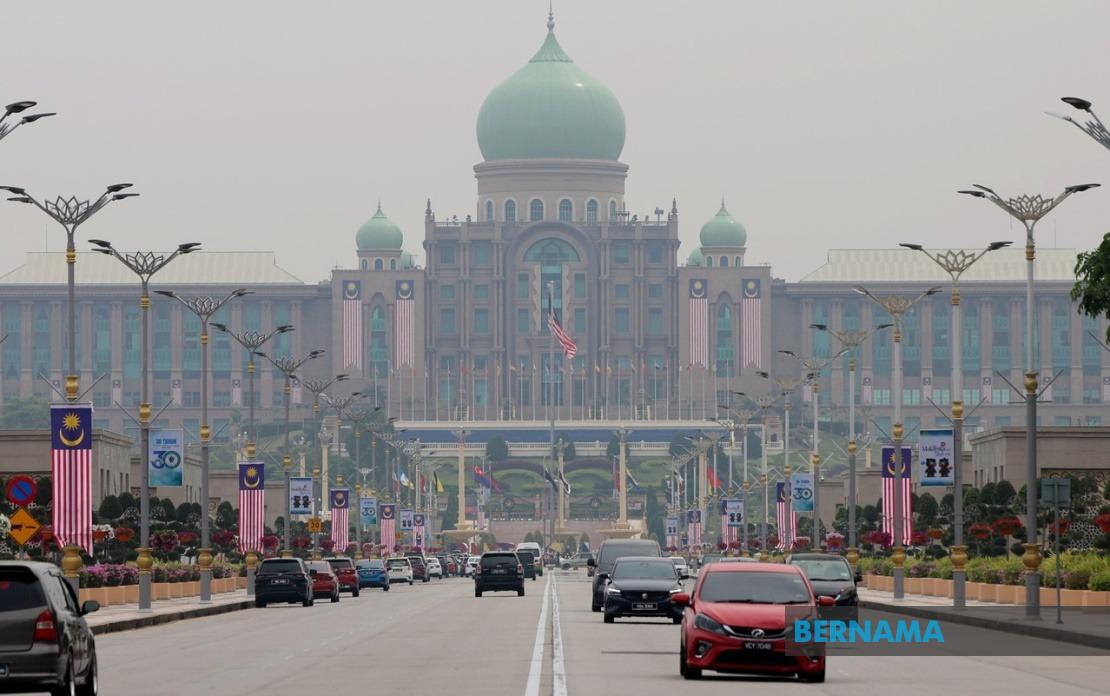
Thick haze is expected to persist across several Malaysian states until August 31, with forecasters warning that the problem will remain acute throughout the week. According to the Malaysian Meteorological Department, the deteriorating air quality stems from a combination of southwest monsoon winds and an unusually high concentration of active hotspots across southern Sumatra and western Kalimantan, creating a transboundary pollution event that will significantly impact both Peninsular Malaysia and East Malaysia.
MetMalaysia director-general Dr Mohd Hisham Mohd Anip elaborated on the scale of the forecasted haze event in his latest assessment. The department's Malaysian Community Multiscale Air Quality Model, or MyCMAQ, indicates that Sarawak faces the greatest vulnerability, with most districts anticipated to register hazy conditions at the Unhealthy classification on the Air Pollutant Index. More alarmingly, several Sarawak districts have a realistic chance of deteriorating further to the Very Unhealthy level on August 30 and 31, posing serious public health concerns for residents in those regions.
The forecast extends troubling implications for Sabah as well, with hazy conditions anticipated to commence from this coming Saturday and continue through the remainder of the month. In Peninsular Malaysia, the department projects that substantial haze concentrations will affect the densely populated states of Johor, Melaka, Negeri Sembilan, and Selangor, alongside the federal territories of Kuala Lumpur and Putrajaya. These developments are particularly significant given that Putrajaya houses critical government institutions, and several of these states represent major economic and population centers for the nation.
The timing of this environmental challenge creates an additional layer of complexity for policymakers and event organizers. August 31 marks National Day, one of Malaysia's most important civic occasions, when festivities are traditionally staged to commemorate the nation's independence. The prospect of hazardous air quality during celebrations has prompted the government to undertake contingency planning. Communications Minister Datuk Seri Fahmi Fadzil publicly announced that authorities are actively evaluating whether to scale back the National Day commemoration or relocate the celebration to a different venue, decisions that would carry symbolic and logistical ramifications.
Prime Minister Datuk Seri Anwar Ibrahim has taken a measured approach to the developing situation, appealing to Malaysians to engage in prayer and reflection that conditions will stabilize before and during the National Day festivities. His public statement underscores the government's commitment to proceeding with celebrations despite the environmental headwinds, while simultaneously acknowledging the uncertainty that transboundary haze presents. The Prime Minister also referenced Malaysia Day on September 16 in his remarks, indicating that both observances remain important priorities for the government machinery, which is actively executing preparatory work for the two occasions.
MetMalaysia has committed to maintaining continuous surveillance of atmospheric conditions and will issue updated forecasts as weather patterns evolve. The department's adaptive approach reflects the inherent unpredictability of transboundary haze events, which can shift substantially based on wind patterns, rainfall, and fire activity in neighboring regions. Residents and government agencies are advised to monitor official announcements closely, as significant changes in the forecast trajectory could materialize within hours.
The haze situation carries profound implications for public health across affected regions. Prolonged exposure to air pollutants at Unhealthy and Very Unhealthy levels increases respiratory illnesses, exacerbates asthma and cardiovascular conditions, and poses particular risks to vulnerable populations including children, elderly citizens, and individuals with pre-existing health conditions. Healthcare facilities in high-risk areas, particularly in Sarawak and the southern peninsular states, are likely bracing for increased patient volumes and complication management throughout the forecast period.
From a Southeast Asian perspective, this event exemplifies the persistent transboundary air pollution challenge that transcends national borders and demands coordinated regional responses. Indonesia's ongoing fire management and prevention efforts in Sumatra and Kalimantan directly influence air quality conditions across the region, a reality that underscores Malaysia's dependence on neighboring countries' environmental stewardship. Regional frameworks and bilateral cooperation mechanisms remain critical for addressing the root causes of such pollution events.
Government agencies and private sector organizations in affected areas face operational considerations as well. Schools, workplaces, and public institutions may need to adjust schedules, implement indoor air filtration measures, or provide protective equipment to personnel, depending on how air quality conditions unfold. Business continuity planning has likely become a priority for companies operating in sectors sensitive to air quality disruptions or those reliant on outdoor activities.

