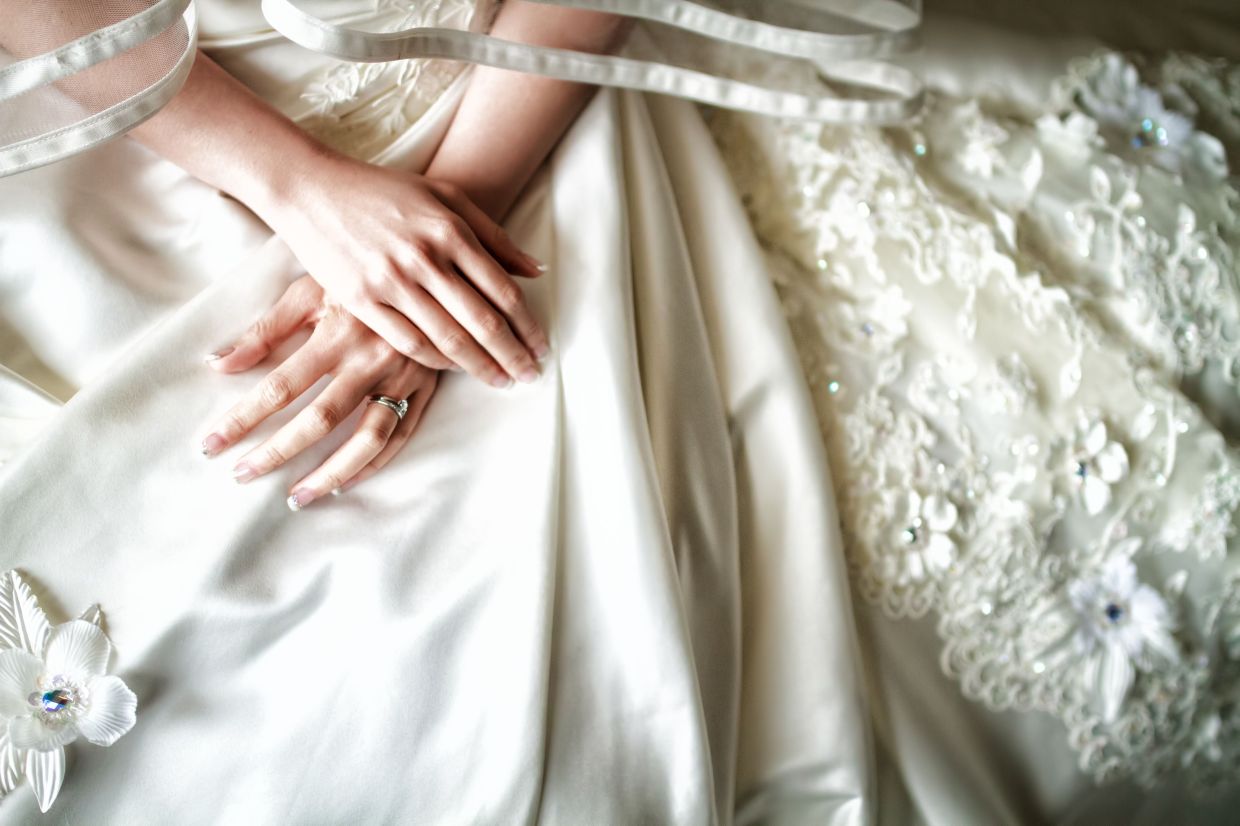
The decision to part with a wedding dress—especially one passed down through generations—ranks among fashion's most anguishing choices. When a garment has graced multiple brides across decades, its significance transcends mere fabric and thread. It becomes woven into family narrative itself, embodying not just a single moment of celebration but the accumulated joys, sorrows, and stories of those who wore it before. For many inheritors lacking future generations to pass the dress forward to, this dilemma crystallises a broader tension between honouring the past and managing the practical demands of modern life.
Clothes function as unexpectedly powerful vessels of human experience. Anthropologists and fashion historians have long recognised that garments operate as tangible links to our personal histories—more visceral than photographs, more intimate than written records. A mother's wedding dress is particularly potent in this regard. It symbolises not only her life's most pivotal moments but also the era in which she lived, the customs she observed, and the values she embodied. Wearing or simply possessing that dress creates what might be called fashionthromorphism: the attribution of human qualities and significance to textile objects. The dress remembers what we might forget; it testifies to experiences that have otherwise dissolved into the past.
Yet this emotional attachment collides with practical reality. Closets have finite space, and the line between preservation and hoarding blurs easily. Furthermore, the emotional labour of keeping unworn garments can become burdensome rather than cathartic. Cameron Silver, founder of the luxury vintage retailer Decades and a consultant on closet curation, describes his work as surprisingly therapeutic. He emphasises that his role is never to pressure clients into hasty decisions but rather to guide honest reflection. Silver poses three clarifying questions: Does the dress fit? Will you realistically wear it again? Most tellingly, how would you feel if it disappeared?
These questions often yield surprising answers. The process of articulating one's true feelings toward an inherited garment can itself be liberating. Some people discover that keeping the dress serves primarily to generate guilt rather than joy—a distinction worth understanding before deciding its fate. Others realise they are clinging not to the physical object but to an idealised version of family continuity that no longer aligns with their actual circumstances or desires.
For those determined to preserve the dress's story, transformation into a wearable garment offers one pathway. A mother's gown might become a child's christening dress, a bridesmaid's gown, or panels for a new creation entirely. This approach allows the textile's history to remain active in family life, though it fundamentally changes the dress's original purpose. Something may indeed be lost in translation—the iconic image of the dress as it was originally envisioned. Yet wearing its history in altered form creates an intimate connection unavailable through mere storage.
Donation provides another avenue, one increasingly facilitated by specialised organisations. Groups such as Brides Across America direct gowns toward engaged military personnel and emergency medical workers who might otherwise lack resources for a ceremonial dress. When choosing this path, Emily Spivack, who documents garments and their stories, recommends attaching a handwritten note explaining the dress's provenance. This transfers not just the garment but its narrative—potentially enriching the next wearer's experience and honouring your family's choice to share generously.
Documentation itself can become a meaningful closure practice. Spivack conducts workshops where participants bring significant garments, photograph them, and record their stories in writing. This ritual of bearing witness to the dress's importance appears to create psychological resolution. Participants report feeling they have properly honoured the garment before parting with it. These documented narratives can then circulate among family members, ensuring that even if the physical dress moves on, its story remains within the family archive.
Educational institutions increasingly recognise the scholarly value of ordinary wedding dresses. Rather than collecting only exceptional examples, universities including Smith College, Drexel University, and Ohio State University now preserve everyday bridal garments as teaching objects. Cornell University's Fashion and Textile Collection holds nearly 350 wedding gowns and related accessories among its 11,000 items. These collections employ clothing to illuminate women's lives and social history, treating a modest dress as equally valuable as a famous designer piece. A 1942 gown created by British dressmaker Cylka Berke for her wartime London wedding exemplifies this approach. Though Berke remains largely unknown, her dress narrates stories of rationing restrictions, ingenious design solutions, and how ritual and fashion persist amid profound adversity. The rayon fabric itself—chosen because silk was requisitioned for military parachutes and escape equipment—has faded far less than silk would have, preserving vivid white brightness as testimony to wartime ingenuity.
Theatre departments offer a parallel option, as costumers deeply value period garments for historical accuracy and authentic worn texture. Whether through university museums, theatrical collections, or local archives, placing a dress within an institution can extend its lifespan indefinitely whilst ensuring its proper care and climate control. This approach particularly suits those seeking to honour the dress's significance beyond family boundaries.
Ultimately, managing an inherited wedding dress requires confronting deeper questions about what continuity means in contemporary life. Few modern families operate as they did in previous generations, when possessions remained within a household across decades and clear succession was assumed. Today's families are smaller, more geographically dispersed, and less committed to maintaining material repositories. Recognising this changed reality need not feel like failure or betrayal. Transforming, donating, documenting, or institutionalising a dress can constitute genuine respect for its story. What matters most is that the decision emerges from thoughtful reflection rather than guilt or obligation—and that whatever path is chosen, it acknowledges the dress's role in shaping your family's identity and history.

