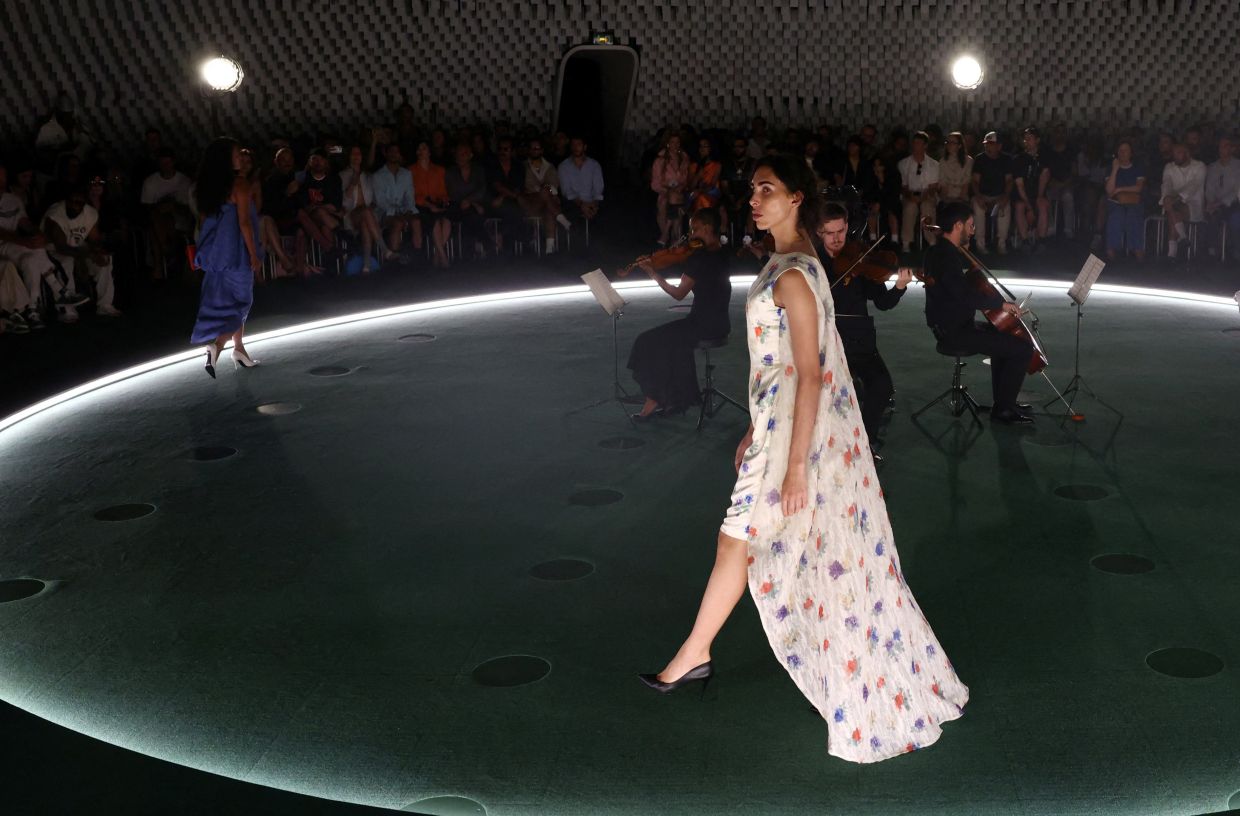
The fashion industry is witnessing a dramatic surge in sleeveless clothing, reflecting broader shifts in how people dress for changing seasons and social attitudes. Market research firm Cognitive Market Research projects the global sleeveless apparel sector will nearly double in value, expanding from US$24.36 billion in 2021 to over US$51.39 billion by 2033—a trajectory that underscores the trend's significance across the industry. Fashion search engine Tagwalk reported a striking 133 per cent jump in sleeveless designs featured in Spring 2026 collections compared to the previous year, indicating that major fashion houses have made armless silhouettes a strategic priority rather than a passing fad.
The drivers behind this shift are multifaceted and interconnected. Rising global temperatures make sleeveless garments increasingly practical for consumers navigating hotter, more unpredictable climate patterns—particularly relevant for Southeast Asian markets where heat and humidity dominate much of the year. The explosion of fitness and wellness culture has simultaneously normalised displays of toned arms and athletic physiques across social media and popular culture. Designer Willy Chavarria, who presented numerous sleeveless pieces at Paris Fashion Week, confirmed this commercial reality plainly: across the past two seasons, sleeveless designs have substantially outperformed their sleeved counterparts in sales and visibility. This performance gap suggests consumers are actively choosing these styles, not simply acquiescing to designer preferences.
Beyond weather and gym culture, the normalisation of sleeveless wear reflects genuine transformations in gender expression and professional dress codes. Broadcast journalism provides the most visible example: tune into any major news programme and you will likely spot at least one female news anchor in a sleeveless dress, signalling that bare arms are no longer coded as unprofessional or inappropriate in formal settings. This represents a significant departure from decades of conservative dress codes that consigned women to long sleeves, particularly in workplace environments. Yet the cultural journey to this point has been neither simple nor apolitical.
The question of whether women should bare their arms has historically carried layers of meaning far beyond fashion itself. Upper arms, particularly on women past a certain age, have been subjected to intense scrutiny rooted in body image anxieties, ageism, and gendered beauty standards. Unlike visible areas like the face and neck, where cosmetic interventions can combat visible ageing, arms present challenges that exercise and dermatological treatments can only partially address. The natural changes of ageing—looser skin around the triceps, subtle fat accumulation near the underarm, the visible play of ligaments and muscles beneath thinning skin—remain largely immutable, making arm exposure an involuntary statement about advancing age in a culture obsessed with youth.
This anxiety about arm visibility has deep historical roots in professionalised dress codes. Professional women, particularly in conservative sectors, were regularly counselled to conceal their arms to maintain authority and credibility. The resistance to sleeveless styles in formal settings persisted well into the twenty-first century, as evidenced by the fact that the United States House of Representatives only revised its dress code to permit sleeveless clothing in 2017—after determined advocacy from female congresswomen. The Senate took another two years to follow suit. The scandalised reaction to former First Lady Michelle Obama's preference for sleeveless dresses, which prompted widespread debate about propriety and appropriateness, underscores how politicised and racialised the question of female arm exposure became.
Balmain designer Antonin Tron challenges the assumption that ageing bodies should remain concealed, asserting that age and femininity need not be mutually exclusive categories. He proposes several practical strategies for those hesitant about embracing full sleevelessness. The simplest approach involves testing comfort levels gradually by pairing a basic sleeveless piece with prominent jewellery—a striking necklace or bold bangles—that intentionally redirect visual attention upward and away from the arms themselves. This method acknowledges self-consciousness while allowing incremental exposure and familiarisation.
For those not ready for complete sleevelessness, numerous style alternatives occupy the middle ground between fully covered and completely exposed arms. Cold-shoulder designs, which reveal portions of the shoulder while maintaining sleeve coverage elsewhere, provide a contemporary compromise. Cap sleeves—short sleeves that sit on the shoulder—offer modest coverage without fully committing to traditional sleeve construction. Designer Willy Chavarria suggests layering a sheer or transparent top over a sleeveless garment, creating a subtle visual buffer that provides coverage while maintaining the aesthetic and cooling benefits of armless design. The specific construction of armholes matters considerably: pieces cut high under the arm but not pulled tightly provide flattering silhouettes without the unflattering gapping or pinching that can occur with poorly fitted designs.
Yet beneath these styling tactics lies a deeper question about why women's arms have become such flashpoints for anxiety and self-judgment. Arms perform extraordinary labour throughout human life—they deliver presentations and lift children, move boxes and furniture, type professional documents, embrace loved ones, and handle the countless daily transactions that constitute adult existence. They are instruments of capability and connection rather than merely aesthetic surfaces to be judged and controlled. This reframing transforms the decision to expose arms from an act of compliance with fashion trends into a potential statement about self-acceptance and the value of visible evidence of a life fully lived.
For Malaysian and Southeast Asian readers navigating these global fashion conversations, the sleeveless trend carries particular relevance. In a region characterised by intense heat and humidity, sleeveless garments offer genuine practical advantages beyond trendy aesthetics. Yet the cultural baggage accompanying arm exposure—the legacies of colonialism, conservative dress codes, and persistent body image anxieties—remains deeply embedded in local fashion consciousness. The trend's rapid growth suggests younger consumers are challenging these inherited restrictions, while many others navigate careful compromises through layering, strategic jewellery, and modified silhouettes. Understanding both the commercial forces driving sleeveless design and the legitimate personal reasons some people prefer coverage allows for genuine choice rather than either capitulation to trend or defensive rejection of change.
The sleeveless movement ultimately represents more than seasonal fashion evolution or market capitalisation trends. It embodies ongoing cultural conversations about ageing, gender, professional identity, and bodily autonomy. Whether an individual chooses full sleevelessness, experiments with cold shoulders and cap sleeves, or maintains complete coverage, the point is having authentic agency in that decision rather than following prescriptive rules based on outdated notions of propriety and shame. The arms that have worked so hard throughout life deserve neither automatic concealment nor forced exposure—they deserve respect regardless of how they look, and the freedom to be displayed or covered according to personal preference rather than social pressure.

