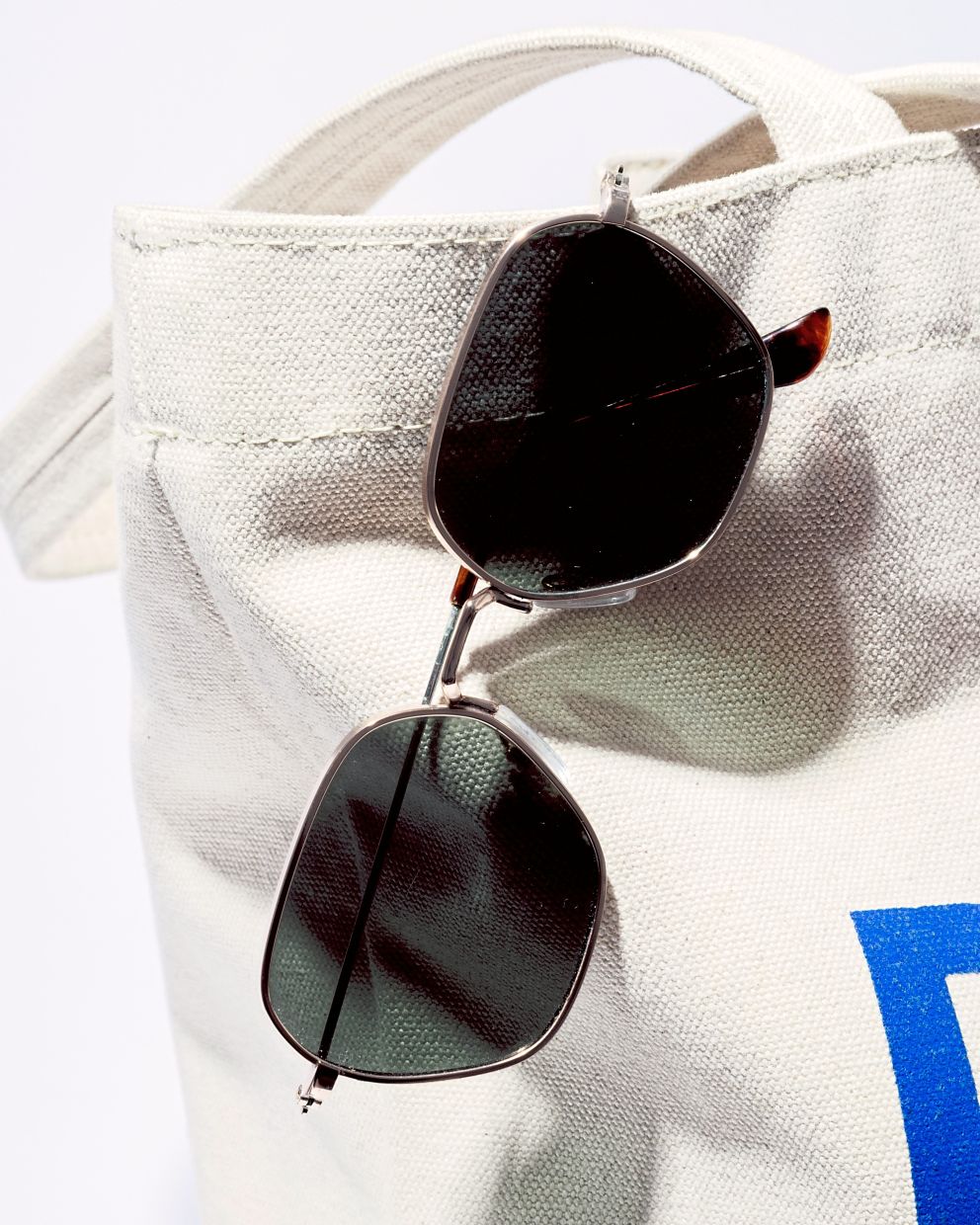
Eye protection from ultraviolet radiation is not optional—it is fundamental medical guidance from leading ophthalmologists worldwide. The consensus among health professionals is unequivocal: shielding your eyes from sun damage matters significantly for long-term vision and ocular health. As specialists explain, sunglasses function as protective barriers comparable to sunscreen applied to skin, guarding not just the eyes themselves but also the delicate eyelid tissue and surrounding facial skin that are particularly vulnerable to damage.
Understanding the nature of the threat is essential for informed decision-making. Solar radiation delivers three categories of ultraviolet light, though only two—UVA and UVB—penetrate Earth's atmosphere with sufficient intensity to reach human eyes. While UVB radiation poses the greater immediate threat, both wavelengths cause cumulative damage whether skies appear overcast or brilliant. This persistent exposure raises risks for several serious conditions that can develop silently over years without noticeable symptoms until significant vision loss has already occurred.
One of the most common UV-related eye conditions is cataract formation, where protein gradually accumulates and clouds the lens. While cataracts develop naturally as people age, ultraviolet exposure accelerates their onset significantly, meaning unprotected individuals may experience vision impairment decades earlier than those who consistently protect their eyes. The sun's rays also exacerbate age-related macular degeneration, a progressive disease affecting central vision that can eventually lead to reading difficulties and challenges with daily activities requiring fine detail work.
Beyond these internal eye conditions, ultraviolet radiation triggers the growth of two types of external lesions. Pinguecula appears as small yellowish bumps on the eye's surface and typically causes minor discomfort without affecting vision. Pterygium, however, represents a more serious concern because tissue growth actually invades the cornea itself. When these growths become sufficiently advanced, they can distort vision and occasionally necessitate surgical removal to restore clear sight.
The skin surrounding the eyes faces particular vulnerability that many people overlook. Medical data shows that five to ten percent of all skin cancers in the United States develop on the eyelid region, making this area disproportionately affected despite representing a tiny fraction of total body surface. Every cell type present in and around the eye can potentially undergo malignant transformation when exposed to excessive ultraviolet radiation, creating a cascade of health risks from a single source.
For Malaysians living in the tropical climate where sun intensity remains high year-round, the implications become even more significant. The equatorial position means stronger and more consistent ultraviolet radiation penetrates the atmosphere compared to temperate regions, potentially accelerating all UV-related eye damage. Regular outdoor activities—from commuting to work to weekend recreation—create cumulative exposure that compounds over a lifetime, making consistent eye protection not a luxury but a practical necessity for those concerned about preserving vision into older age.
A practical consideration many people face is whether prescription eyeglass wearers need separate sunglasses. The answer requires nuance: modern prescription lenses, typically manufactured from polycarbonate, include ultraviolet protection as standard manufacturing practice in reputable optical retailers. Most nonpolycarbonate lenses come with special ultraviolet-blocking coatings applied during production. However, clear lenses provide protection only to the lens area itself and offer no shade from visible light, which can cause eye strain, fatigue, and headaches during extended sunny exposures. Bringing prescription glasses to a local optical shop allows verification of existing ultraviolet protection, eliminating guesswork about coverage levels.
When shopping for any eyeglasses or sunglasses, look specifically for labeling indicating "UV400" or "100% UVA/UVB protection"—these terms are essentially equivalent and mean the lenses block 99 to 100 percent of ultraviolet light. In countries with strong regulatory oversight, false ultraviolet claims carry legal penalties, but consumers in less-regulated markets should exercise caution. Inexpensive sunglasses lacking genuine ultraviolet protection actually pose greater harm than wearing no glasses at all, because their dark tinting causes pupils to dilate widely, allowing unfiltered ultraviolet rays to penetrate directly into the eye in greater quantities.
The temporal aspect of protection matters as well. Squinting represents the eye's natural defensive response to excessive brightness, but this repetitive facial muscle contraction contributes to wrinkle formation around the eyes over time. Wearing appropriate eyewear relaxes these muscles and prevents accelerated aging signs like crow's feet. While brightness alone does not increase cancer risk, extended exposure to harsh sunlight causes uncomfortable side effects including eye fatigue, dryness, headaches, and general visual discomfort that diminishes quality of life during outdoor activities.
Comprehensive eye protection extends beyond eyewear alone. Because glasses cover only a portion of the facial area, ophthalmologists recommend combining sunglasses with wide-brimmed hats and broad-spectrum sunscreen applied to exposed facial skin. This multi-layered approach ensures maximum protection during days when outdoor time stretches into hours. For Malaysian readers spending extended periods in tropical sun—whether at beaches, during outdoor work, or during recreational activities—this combination approach becomes especially important given the region's intense solar radiation.
The fundamental principle underlying all expert recommendations is straightforward: ultraviolet radiation reaching the retina creates genuine health risks requiring protection, while visible light exposure, though sometimes uncomfortable, does not independently increase disease risk. This distinction helps clarify why protective eyewear matters without creating unnecessary alarm about normal outdoor activities. The goal is not to eliminate sun exposure—which provides essential vitamin D and psychological benefits—but to prevent direct ultraviolet radiation from reaching sensitive eye tissues without adequate barriers in place.

