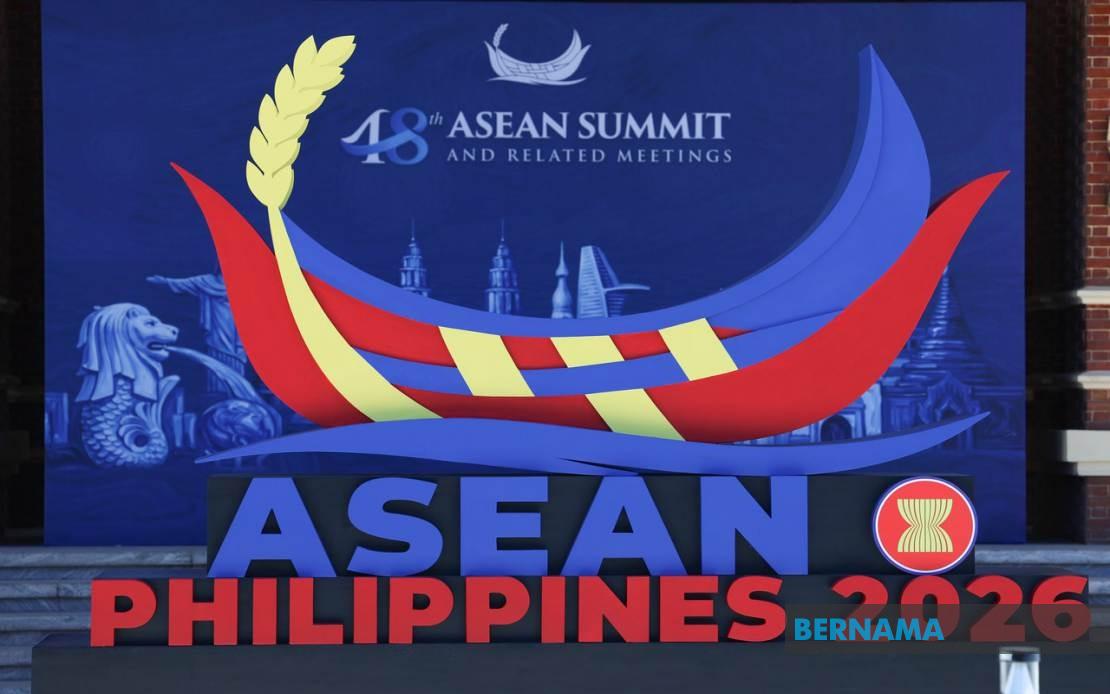
Thailand will convene two separate informal sessions bringing together ASEAN's top diplomats to tackle the escalating Myanmar crisis, signalling the regional bloc's determination to intensify its engagement with the troubled nation. The meetings, scheduled for Sunday in Bangkok under Philippines Chair leadership with Thailand as host, represent a carefully calibrated diplomatic manoeuvre designed to address one of Southeast Asia's most intractable political challenges while maintaining ASEAN's consensus-based approach to the issue.
The dual-track format—comprising an informal meeting with Myanmar's Foreign Minister U Tin Maung Swe and an extended informal consultation among ASEAN members—reflects the delicate balancing act the regional organisation must perform. Thailand's Deputy Foreign Ministry spokesperson Maratee Nalita Andamo clarified that these sessions aim to foster frank and unrestricted dialogue among participating nations, creating space for substantive discussion on Myanmar's deteriorating situation without the constraints of formal proceedings that might limit candid exchanges.
At the heart of these consultations lies ASEAN's Five-Point Consensus, a framework adopted following Myanmar's February 2021 military coup. The roadmap calls for dialogue between the junta and opposition forces, humanitarian assistance cessation of violence, and mediation by an ASEAN envoy. However, implementation has stalled amid persistent conflict and deepening humanitarian catastrophe. The Bangkok meetings provide an opportunity for foreign ministers to reassess progress—or the lack thereof—and determine how ASEAN can more effectively catalyse tangible developments toward restoring civilian rule and stability.
The informal nature of these gatherings carries particular significance for ASEAN's diplomacy. By eschewing formal structures and official documentation, participating nations gain flexibility to explore sensitive issues, test new approaches, and voice concerns that might prove politically untenable in public statements. This allows for gradual, incremental engagement with Myanmar's junta without ASEAN appearing to validate military rule or abandon its established positions on democratic principles and human rights.
Such careful positioning matters enormously for Southeast Asian readers and observers tracking ASEAN's evolution as a regional actor. The bloc faces mounting pressure from Western nations and civil society advocates to adopt more forceful stances against Myanmar's coup leaders, yet it simultaneously contends with internal divisions regarding intervention, sovereignty, and the most effective leverage points. For Malaysia and other ASEAN members, these informal consultations represent attempts to maintain solidarity while pursuing pragmatic solutions that might inch towards genuine progress.
The expected attendance of Philippine Foreign Secretary Maria Theresa Lazaro, Thailand's Foreign Minister Sihasak Phuangketkeow, and U Tin Maung Swe underscores the high-level commitment to these discussions. These individuals carry influence within their respective governments and possess the authority to explore potential pathways forward beyond what lower-ranking diplomats might venture. The Philippines, in its current ASEAN Chair role, holds particular responsibility for steering these conversations toward constructive outcomes that satisfy diverse member interests while maintaining credibility with Myanmar's military authorities.
Thailand's hosting role reflects its geographic proximity to Myanmar and historical ties facilitating dialogue channels. Bangkok has maintained relatively consistent engagement with Naypyidaw even as other ASEAN capitals faced pressure to distance themselves from the junta. This positioning allows Thailand to serve as a credible intermediary while contributing to discussions about implementation mechanisms for the Five-Point Consensus that might prove more acceptable to Myanmar's rulers than initiatives perceived as overly critical of military governance.
The explicit statement that no formal outcome document will be released following these meetings further underscores ASEAN's preference for quiet diplomacy over public posturing. This approach reflects lessons learned from previous high-profile meetings that yielded symbolic commitments but minimal substantive change. By avoiding communiques that could be scrutinised for loopholes or inconsistencies, ASEAN preserves room for continued engagement and future progress without locking itself into positions that might later prove unsustainable.
For Myanmar's civilian population and displaced communities, the effectiveness of these Bangkok discussions remains uncertain. The humanitarian crisis has intensified dramatically since the coup, with widespread conflict, displacement, and economic collapse claiming countless lives. Whether informal consultations among regional foreign ministers can translate into concrete assistance, ceasefire arrangements, or political movement toward inclusive governance depends heavily on whether ASEAN can develop mechanisms that actually influence junta decision-making—a persistently elusive objective throughout the past two years.
The broader context shapes how these meetings should be interpreted by Malaysian and Southeast Asian observers. ASEAN's struggle to manage the Myanmar crisis exposes fundamental limits to the regional organisation's capacity for effective intervention when confronting determined and internally fractious national governments. The bloc's principle of non-interference, while respected as foundational to its coherence, increasingly conflicts with regional security imperatives and humanitarian imperatives that demand more assertive action.
These informal Bangkok meetings ultimately represent ASEAN at a critical juncture—attempting to pursue engagement strategies that might yield results without abandoning the diplomatic norms and consensus mechanisms that define the organisation's identity. Whether such incremental approaches prove adequate to Myanmar's accelerating crisis, or whether regional circumstances will eventually force more consequential intervention measures, remains an open question shaping ASEAN's future relevance as a meaningful regional actor.

