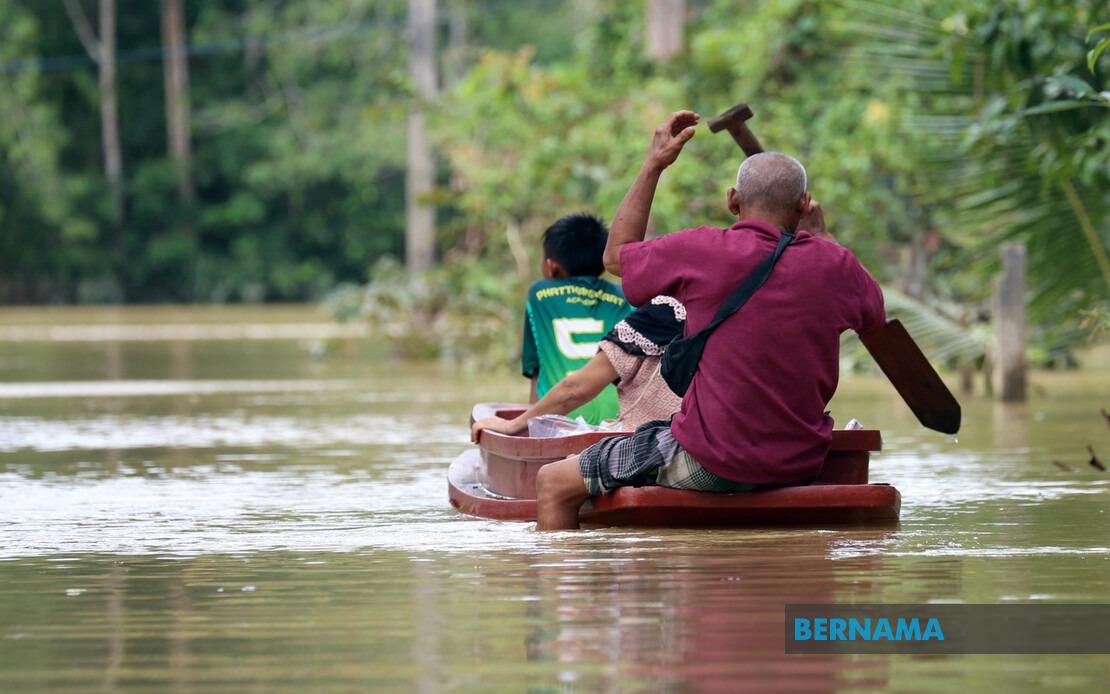
Thailand has substantially revamped its approach to managing natural disasters, establishing a more coordinated framework designed to respond swiftly to both immediate flooding emergencies and longer-term drought challenges that increasingly threaten the kingdom's stability. The enhanced system reflects mounting concerns about climate volatility that has placed Thai communities and agricultural sectors at heightened risk, prompting government officials to prioritise faster decision-making and unified command structures across vulnerable regions.
The upgraded mechanism centres on four newly constituted regional committees tasked with overseeing comprehensive disaster response operations. These bodies represent a departure from previous fragmented approaches, bringing together multiple government agencies under single command authorities within their respective zones. Deputy government spokeswoman Capt Patdarasm Thongsaluaykorn emphasised that the restructuring aims to ensure assistance reaches affected communities with greater speed and efficiency, protecting lives, property, and the livelihoods of rural populations dependent on predictable weather patterns.
Currently, Thai authorities are actively monitoring 1,363 locations identified as high-risk flood zones and 444 areas vulnerable to extended drought conditions. This extensive surveillance network reflects the scale of Thailand's exposure to climate-related hazards, which strike with increasing frequency and severity across the densely populated northern regions, the agricultural heartland of the northeast, and coastal eastern provinces. The identification of these vulnerable areas represents several years of data collection and analysis, allowing officials to direct resources where they are most critically needed.
The newly established regional committees carry broad operational mandates extending well beyond emergency response. Beyond coordinating immediate relief operations, these bodies will monitor evolving weather patterns and water availability, oversee compensation mechanisms for displaced persons and damaged property, and direct recovery initiatives in post-disaster periods. Crucially, the committees possess authority to direct government agencies operating within their zones, assess situational developments in real time, and communicate verified information to the public, reducing the risk of misinformation during crises.
Deputy Prime Minister Yodchanan Wongsawat, who also oversees higher education and scientific research, chairs the northern regional committee. His appointment to this role underscores the government's intent to employ senior-level expertise in disaster management, signalling political commitment to the restructuring effort. The committee held its inaugural meeting at the Department of Disaster Prevention and Mitigation headquarters, establishing operational protocols that will guide responses throughout the monsoon season and beyond.
Immediate flood warnings underscore the urgency of these institutional changes. The Thai Meteorological Department has issued alerts for heavy precipitation, flash flooding, and river overflow across northern, northeastern, and eastern Thailand. Maritime authorities have restricted small vessel operations in the upper Andaman Sea through August 9 and in the upper Gulf from August 6 to 9, protecting fishing communities and commerce from storm-related hazards. These warnings represent typical patterns for Thailand's monsoon season but have become increasingly severe in recent years.
Beyond immediate flood concerns, Thailand faces a more insidious threat emerging over the coming years. Meteorological analyses suggest a Super El Niño phenomenon could commence in October, persisting through early 2027. This climatic pattern would substantially reduce rainfall across Thailand, potentially cutting precipitation by at least ten percent during the critical monsoon-dependent rainy season. Such deficits would severely stress agricultural output, particularly rice production that generates substantial export revenues and feeds domestic populations.
The drought implications carry profound economic and food security ramifications for Thailand and the broader Southeast Asian region. Thai rice constitutes a major export commodity, and diminished production would ripple through regional supply chains and global markets. Simultaneously, reduced water availability would constrain irrigation for smaller farmers lacking access to expensive alternative water sources, potentially widening rural income inequality and pushing marginalised agricultural communities toward deeper poverty.
For Malaysian observers, Thailand's enhanced disaster management represents a cautionary example of climate vulnerability affecting major regional economies. Malaysia faces similar monsoon-dependent precipitation patterns and equally severe flooding during southwest and northeast monsoon seasons. The Thai approach to establishing unified regional command structures and comprehensive monitoring networks offers potential lessons for Malaysian disaster management authorities seeking to improve coordination between federal, state, and local agencies.
The establishment of these regional committees also reflects recognition that disaster management transcends traditional bureaucratic boundaries. Water flows across provincial borders, affecting populations far downstream from rainfall events. Communities require consistent information and coordinated assistance rather than fragmented responses reflecting institutional rivalries. By centralising authority within geographic regions, Thailand attempts to overcome these coordination challenges, though implementation success remains uncertain given the complexity of deploying multiple agencies under unified command.
The government's investment in disaster management infrastructure and coordination mechanisms signals awareness that climate volatility represents an enduring challenge rather than an episodic problem. Previous ad-hoc responses proved inadequate as disaster frequency accelerated. This structural reorganisation suggests Thai policymakers now view disaster management as a core government function requiring permanent institutional capacity rather than emergency improvisation.
Looking forward, Thailand's capacity to manage the anticipated Super El Niño will test the effectiveness of these new mechanisms. Success requires not merely establishing committees but ensuring that provincial administrators, local officials, and community leaders receive proper training, resources, and authority to implement coordinated responses. The true measure of this disaster management upgrade will emerge when severe events unfold and communities experience whether assistance arrives efficiently or whether structural reforms prove superficial.

