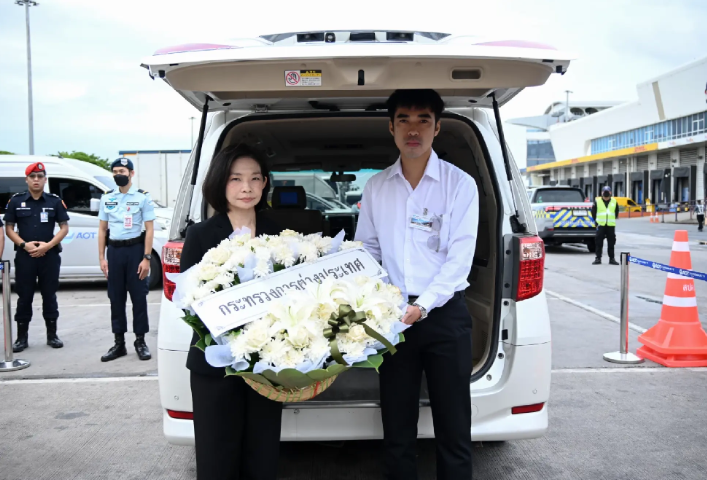
The Thai Ministry of Foreign Affairs has successfully brought home the remains of Bavorntat Pengsuk, a 27-year-old content creator and travel vlogger widely recognised by his online moniker "Hlun Solo", who died in Tbilisi on 14 July 2026. The repatriation marks the conclusion of a diplomatic coordination effort spanning multiple countries and agencies to facilitate the return of the young Thai national's body following his unexpected death in the Georgian capital.
Deputy Prime Minister and Foreign Minister Sihasak Phuangketkeow directed the Department of Consular Affairs to take charge of receiving Bavorntat's remains upon their arrival in Thailand, according to a statement released on Thursday (6 August) by Jaithai Upakarnitikaset, spokesperson and director-general of the Department of Information. The assignment of this responsibility to senior consular officials underscores the priority Thai authorities placed on ensuring proper protocols and dignified handling of the repatriation process.
Bavorntat had built a substantial following through his travel documentation work, which saw him chronicle adventures across various destinations for his YouTube audience. His death in Tbilisi prompted immediate diplomatic engagement from Thai officials stationed across the region. The Royal Thai Embassy in Ankara, Turkey's capital, took the lead in maintaining communication channels with Bavorntat's family members, Georgian government bodies, and other relevant parties from the moment the ministry was informed of his passing.
Expediting such proceedings required direct intervention from Thai diplomatic personnel. Embassy staff were deployed to Tbilisi specifically to investigate the circumstances surrounding Bavorntat's death, coordinate the repatriation logistics, and work through the administrative requirements imposed by Georgian authorities. Reports indicate that embassy officials also pressed Georgian officials to resolve delays in the process, highlighting the complexity that can arise when deaths of foreign nationals occur abroad.
The family's decision to conduct comprehensive forensic testing in Thailand reflects concerns about obtaining thorough medical documentation of the cause of death. This additional examination will take place following the arrival of the remains and before the body is released for funeral preparations. The forensic analysis represents an important step in providing Bavorntat's family with complete medical clarity regarding the circumstances of his passing.
Once all procedural requirements have been completed, Bavorntat's body will make its final journey to his native district. Somdet district in Kalasin province, situated in Thailand's northeastern region, will be the site of traditional funeral ceremonies conducted according to Buddhist customs and local practices. The return home carries particular significance for the family and reflects the cultural importance placed on conducting proper rites in one's home community.
The repatriation of Bavorntat represents a poignant reminder of the challenges Thai nationals encounter when emergencies occur far from home. Digital content creators and travel influencers, particularly those documenting their journeys across lesser-travelled routes and countries, operate in environments where medical support infrastructure and consular assistance may not always be readily accessible. His death underscores the importance of maintaining strong diplomatic presence and responsive consular services to protect Thai citizens abroad.
Georgia, while increasingly popular among tourists and digital nomads seeking alternative travel destinations in the South Caucasus, remains geographically and administratively distant from mainstream Thai travel infrastructure. The coordination required to manage Bavorntat's repatriation involved synchronising efforts across multiple jurisdictions and government systems, demonstrating both the reach of Thai diplomatic networks and the complexities inherent in international procedures.
For the travel content creation community across Southeast Asia, Bavorntat's case highlights both the opportunities and risks associated with documenting journeys to remote or less-developed regions. While such content resonates strongly with audiences seeking authentic and off-the-beaten-path narratives, the relative isolation of many destinations can pose health and safety challenges. His story will likely prompt conversations within the creator community about safety protocols and emergency preparedness when operating far from support networks.
The successful repatriation reflects coordination between Thai diplomatic missions, consular departments, and the receiving authorities in Georgia. Such international cooperation, though often working behind the scenes, remains essential for managing the practical and humanitarian dimensions of cases involving deceased Thai nationals abroad. The process, though ultimately concluding with Bavorntat's return home, required sustained diplomatic effort to navigate Georgian bureaucratic procedures and overcome administrative obstacles.
Bavorntat's family now faces the difficult transition from coordinating international procedures to observing mourning practices and funeral rites within their community in Kalasin. The forensic examination will provide medical insights into his death, potentially offering answers that might inform broader discussions about health risks associated with international travel and the importance of comprehensive travel insurance and medical preparation before embarking on extended journeys to distant destinations.

