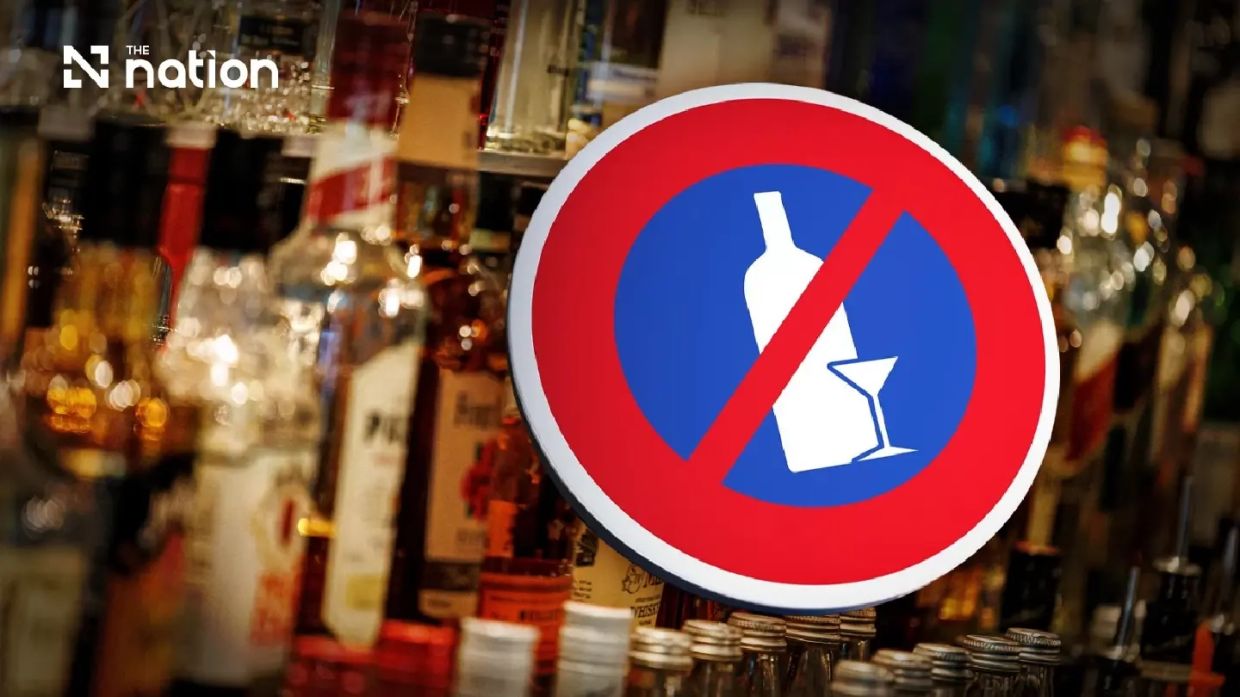
Thailand's Election Commission has enforced a sweeping alcohol ban across Bangkok and Pattaya electoral districts ahead of upcoming local elections scheduled for June 27–28. The measure restricts the sale, distribution, gifting and service of all alcoholic beverages during a 36-hour window beginning at 6pm on Saturday and extending through 6pm on Sunday, covering simultaneous contests for Bangkok Governor, Bangkok Metropolitan Council, Pattaya Mayor and Pattaya City Council positions.
Such restrictions are commonplace across Southeast Asia during electoral periods, reflecting widespread concern among election authorities that alcohol consumption may lead to public disorder, violence between rival political camps, or interference with the voting process. Thailand's approach aligns with similar practices in Indonesia, Malaysia and the Philippines, where nations have employed various mechanisms to maintain election-day stability and ensure voters can cast ballots without intimidation or disruption.
The prohibition applies strictly within designated polling areas and covers all categories of beverages containing alcohol, regardless of strength or type. Notably, the ban begins one full day before voting commences on election day itself, a precautionary measure designed to prevent celebrations or gatherings fuelled by alcohol that could escalate tensions between political factions or disrupt the preparation of polling stations.
The Election Commission has articulated clear legal consequences for non-compliance with the directive. Individuals or business operators found selling, distributing or facilitating alcohol service during the restricted period face penalties of up to six months' imprisonment, fines reaching 10,000 baht, or both sanctions combined. These penalties are imposed under Section 123 of the Local Elections Act B.E. 2562 and subsequent amendments, establishing a statutory basis for enforcement and providing election officials with concrete legal authority to pursue violators.
For Malaysian observers, the enforcement structure demonstrates how Thailand continues to rely on substantial criminal penalties to deter election-related misconduct, a strategy that differs somewhat from Malaysia's approach in federal elections, where alcohol restrictions are typically voluntary or less uniformly enforced across all polling areas. The 10,000 baht fine—roughly equivalent to RM1,200—represents a meaningful economic deterrent for small bars, restaurants and convenience stores throughout Bangkok and Pattaya.
Authorities have distributed guidance to business owners, retailers and the general public, emphasising the importance of strict adherence to the regulation. The messaging frames compliance as essential to achieving a fair, orderly and transparent electoral process, appealing to civic responsibility rather than relying solely on punitive measures. Police and election observers are expected to conduct patrols and inspections at commercial establishments known to serve alcohol, with particular attention to entertainment districts in Pattaya and selected Bangkok neighbourhoods.
The Election Commission has simultaneously launched public awareness campaigns encouraging voter participation during the designated eight-hour polling window from 8am to 5pm on June 28. Officials have emphasised the significance of the local elections as a mechanism for enhancing transparency and ensuring neutrality in the selection of Bangkok and Pattaya administrators. The dual messaging—combining restrictions on alcohol with appeals for high turnout—reflects a broader Thai election narrative prioritising order and participation as complementary democratic values.
For businesses relying on alcohol sales, particularly nightlife venues and hospitality establishments concentrated in Pattaya's entertainment zones and Bangkok's nightlife districts, the 36-hour ban represents a substantial revenue interruption. However, precedent suggests most operators comply, with some establishments voluntarily closing during election periods rather than risking penalties. The economic impact remains relatively modest given the temporary nature of restrictions, though bars and clubs catering to tourists may face customer frustration over limited service options.
Voter eligibility and polling procedures have been clearly outlined by the Commission, which directs citizens to their assigned stations using official voter rolls. The Commission's dedicated hotline (1444) and website serve as information resources for voters uncertain about their polling location or concerned about procedural questions. This accessibility reflects increasing Thai election administration efforts to reduce confusion that might suppress turnout, particularly among first-time voters or those relocating between elections.
The June 27–28 elections represent a significant test of Bangkok and Pattaya governance structures following previous electoral cycles. For regional observers, these local contests offer insights into Thailand's commitment to electoral mechanisms despite ongoing constitutional complexity and frequent transitions in governance frameworks. The procedural emphasis on alcohol prohibition and voter facilitation underscores election authorities' technical competence even amid broader political circumstances.
Malaysian readers should note that while Southeast Asian election protocols often appear superficially similar, enforcement intensity and cultural contexts vary substantially. Thailand's approach combines statutory penalties with expectations of public compliance rooted in different notions of state authority than those prevailing in Malaysia. The relative success or challenges of Thailand's alcohol ban may inform ongoing discussions in Malaysia regarding election protocols and the balance between regulatory measures and voluntary compliance mechanisms.

