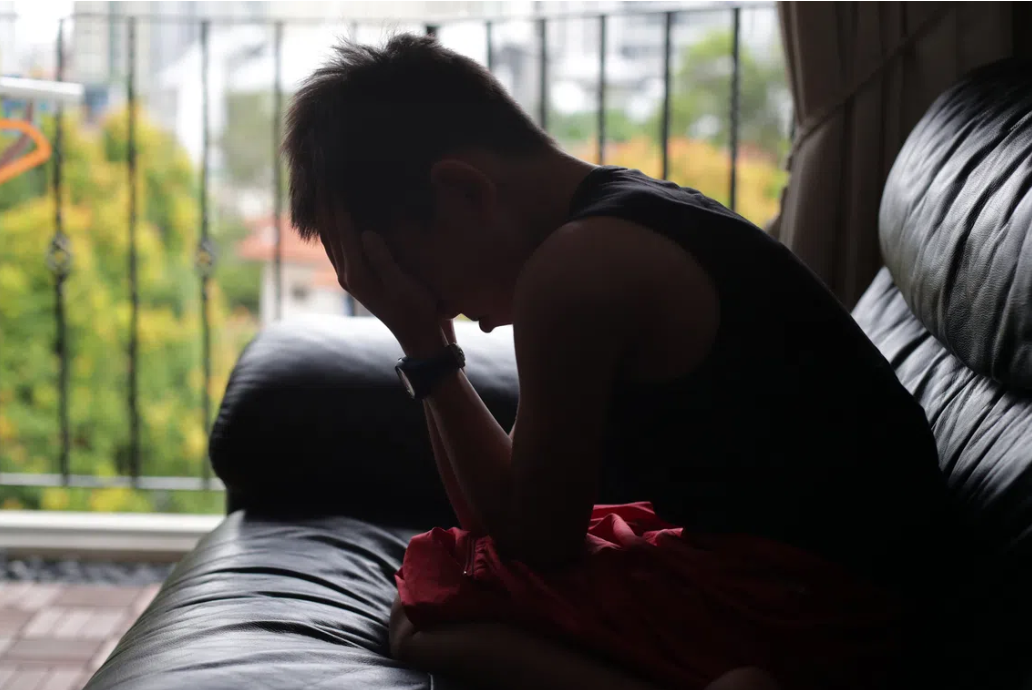
Thailand faces a mounting reckoning with school bullying following the August 7 shooting at Debsirin Nonthaburi School, where a 14-year-old student opened fire, killing nine people including himself. Though police investigations remain ongoing and multiple factors—including violent gaming content and academic stress—have been cited as potential contributing causes, the tragedy has thrust the pervasive culture of peer abuse into the national spotlight with unprecedented intensity. The incident has catalysed serious examination of how bullying operates within Thai educational institutions and what systemic changes might prevent future violence, yet educators and mental health professionals caution that institutional responses alone cannot address deeper cultural impediments to addressing the problem.
The prevalence of bullying in Thai schools is far more extensive than many policymakers previously acknowledged. A government survey conducted in September 2025 revealed a sobering reality: 65 per cent of 42,000 young people aged six to 25 reported experiencing some form of bullying. Name-calling and mockery targeting family members emerged as the most widespread variety, though nearly 28 per cent of respondents endured physical violence including kicking and punching. The data underscores that schools themselves constitute the primary venue for such abuse, with 83 per cent of incidents occurring on campus. These figures suggest that bullying represents not an exceptional problem confined to isolated cases, but rather a normalised feature of Thai childhood and adolescence that has quietly affected the majority of the country's youth population.
The August shooting has prompted renewed visibility of existing bullying incidents through social media platforms, creating the impression that abuse has suddenly become more common. One widely shared video documented an attack at St Gabriel's College, one of Bangkok's most prestigious private institutions, where two students systematically beat a younger boy while one wielded what police later identified as an airsoft weapon. Aranee Vivatthanaporn, a criminology lecturer at Rangsit University, offers important perspective on this phenomenon: increased documentation does not necessarily indicate a rise in bullying frequency, but rather reflects the amplification enabled by digital connectivity. She explains that social media serves as both mirror and megaphone, simultaneously revealing the continued gravity of a longstanding problem and magnifying its public visibility in ways previous generations could not achieve.
For many victims like Surasit Nok-Ouam, now 20 and working in the gig economy, the scars of peer abuse persist a decade after the harassment ended. His experience began in kindergarten and extended through his early primary years, encompassing both verbal taunts and physical assault. Bathroom visits became sources of profound anxiety after fellow students began following him into stalls to splash water and hurl insults. During physical education classes, bullies would humiliate him by pulling down his clothing in front of peers. Critically, his attempts to respond only provided entertainment to tormentors, transforming his distress into sport. This dynamic—where even resistance becomes fodder for further mockery—creates an inescapable psychological trap that leaves many victims feeling powerless regardless of how they react.
The mental and emotional toll on bullying victims proves devastating and long-lasting. Counsellor Prieo To-uam, who has worked freelance for four years, reports a noticeable increase in adolescents seeking help over the past year, with bullying featuring prominently in nearly every case she encounters across both traditional Thai schools and international institutions. Victims frequently move from experiencing harassment to perpetrating it themselves, often starting with what appears as innocuous teasing that rapidly escalates into genuine cruelty. The survey data paints a particularly alarming picture of psychological consequences: at least one in four bullying victims have contemplated self-harm, suggesting that peer abuse operates as a significant risk factor for suicide and serious mental health crises among Thai youth. Chinun Boonroungrut, a psychology lecturer at Silpakorn University, notes that while bullying typically manifests as depression, anger, and accumulated grievance rather than explosive violence, the psychological damage remains severe and potentially long-lasting.
A distinctive cultural impediment complicates Thailand's efforts to address bullying systematically: the concept of kreng jai, often translated as extreme consideration or deference. This deeply embedded social norm emphasises politeness, respect for social hierarchy, and preservation of group harmony above individual assertion or complaint. Prieo explains that kreng jai operates as a silencing mechanism, pressuring young people to internalise negative emotions rather than disclose distress to teachers, parents, or counsellors. Many Thai youth have absorbed the cultural expectation that raising concerns about mistreatment constitutes a breach of social decorum, a violation of the deference owed to peers and authority figures. Consequently, bullying victims suffer in silence, unable to access early intervention or support systems because coming forward itself feels culturally transgressive. This suppression of disclosure allows psychological crises to compound unresolved, potentially manifesting eventually in sudden and explosive outbursts.
The connection between bullying and the August shooting remains speculative, yet the timing of discussions about peer abuse following the tragedy reveals how deeply the issue resonates with Thai society. While investigators continue determining whether the shooter's experience with bullying contributed to his actions, mental health professionals acknowledge that chronic peer victimisation can indeed culminate in violence when combined with other stressors including academic pressure, exposure to violent media, and inadequate mental health support. The shooting therefore functions less as proof of a direct causal link than as a catalyst forcing acknowledgment of a widespread problem that has previously received insufficient policy attention and cultural scrutiny.
Responding to the crisis, Thailand's Education Ministry has announced a series of reforms scheduled for implementation by early November. These measures include adoption of a zero-tolerance bullying policy, enhanced weapon detection systems, and establishment of referral mechanisms designed to identify and support at-risk students. The ministry is simultaneously pursuing a more comprehensive legislative approach through the proposed Student and School Safety Act, which would mandate monitoring of mental health outcomes among affected students and screening for post-traumatic stress disorder. While these initiatives represent meaningful governmental action, experts caution that policy implementation cannot succeed without accompanying cultural transformation regarding how Thai society conceptualises peer relationships, emotional expression, and individual wellbeing relative to group harmony.
The fundamental challenge confronting Thailand extends beyond bureaucratic reform to touch the core of how the nation educates its youth and constructs social relationships. A system that simultaneously produces bullying victims and demands their silence through cultural pressure will not be reformed by policy alone, no matter how comprehensive. Genuine progress requires not merely institutional change but a generational shift in how Thais understand the relationship between individual dignity and collective harmony, between the value of social smoothness and the necessity of addressing grievance. Schools must become spaces where students feel empowered to report mistreatment without fear of social censure, where adults respond swiftly to allegations rather than expecting victims to suffer silently. Parents must understand that teaching children to suppress distress in service of kreng jai may preserve short-term peace while cultivating psychological damage that emerges explosively later. Until Thai society grapples seriously with these cultural dimensions, institutional reforms risk remaining superficial responses to symptoms rather than addressing root causes of a problem that has silently affected the majority of the nation's young people.

