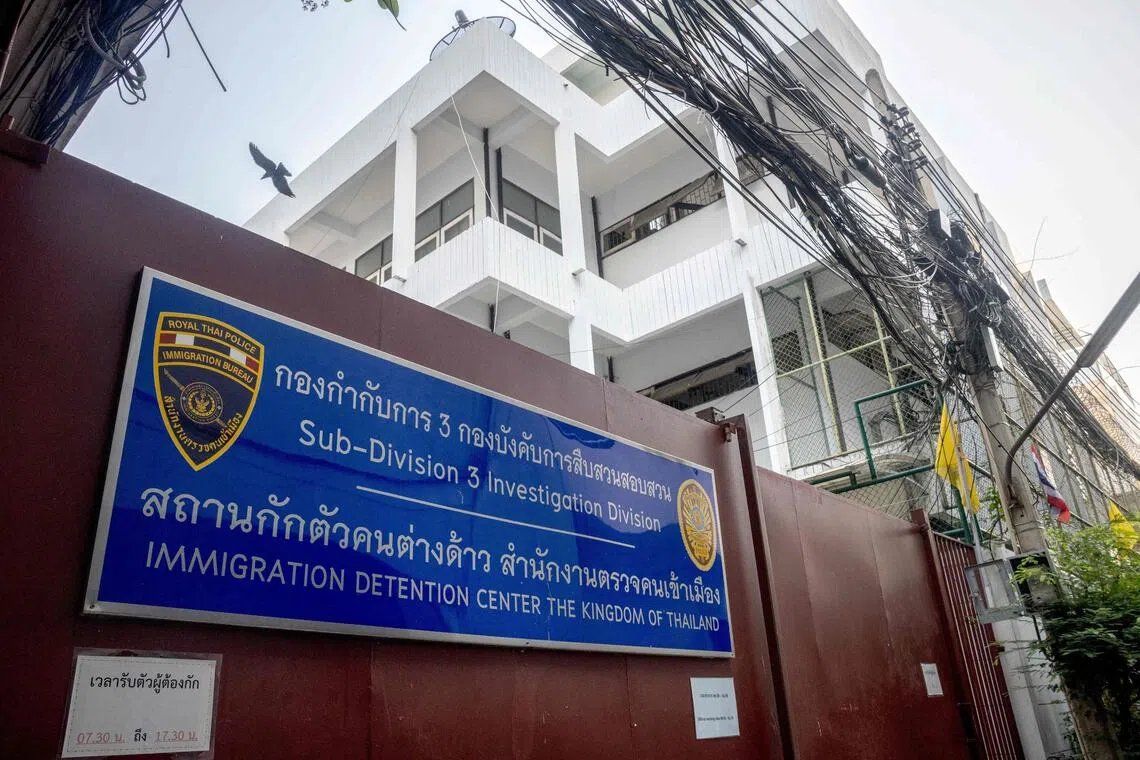
Thailand has formalized its approach to managing foreign nationals who breach local laws or pose threats to public order through comprehensive new deportation regulations signed by Prime Minister Anutin Charnvirakul. The Prime Minister's Office Regulation on Deportation B.E. 2569, published in the Royal Gazette on August 27 and effective from August 28, represents a significant tightening of administrative procedures for expelling non-citizens deemed problematic under Thai jurisdiction.
The regulatory framework acknowledges Thailand's role as a major destination for international visitors and expatriate communities while simultaneously asserting the state's prerogative to remove those whose presence contradicts national interests. According to the regulation's preamble, Thailand welcomes foreign arrivals for legitimate purposes including tourism, residential settlement, employment and business ventures. However, the document identifies a persistent challenge: certain foreigners exploit their presence by committing crimes, destabilizing public order and social morality, or entering clandestinely to pursue unlawful commercial gain. The new rules represent the government's attempt to address these concerns through expedited administrative channels rather than relying solely on criminal prosecution outcomes.
At the procedural heart of the regulation lies a streamlined reporting mechanism intended to accelerate deportation decisions. When evidence suggests a foreign national's conduct breaches public order, undermines moral standards or threatens public welfare—whether as a direct perpetrator, inciter or supporter—the Interior Ministry's permanent secretary or an authorized deputy must formally notify the Interior Minister for deportation consideration. This structure centralizes decision-making authority while reducing bureaucratic delays that historically characterized Thailand's removal process. The regulation thus represents an administrative modernization effort targeting efficiency alongside substantive outcomes.
The law establishes six specific criminal categories triggering mandatory ministerial deportation review upon sentence completion. These encompass unauthorized entry or overstaying under immigration statutes, unlawful employment contrary to foreign labour regulations, illegal business operations under the Foreign Business Act, document forgery involving official papers, any offense imposing minimum five-year imprisonment, and accessory roles in the preceding categories. This taxonomy creates clearer guidance for enforcement officials while reducing discretionary ambiguity that previously characterized borderline cases. Notably, the framework applies only after courts have imposed final judgments, ensuring deportation follows rather than replaces criminal adjudication.
The regulation mandates enhanced coordination between the Department of Corrections and Interior Ministry to prevent administrative gaps at release points. Prisons must furnish detailed records including prisoner names, nationalities and case documentation to the Interior Ministry no fewer than fifteen days before scheduled release. This advance notice period permits cursory review and preparation of deportation paperwork, preventing scenarios where released foreign prisoners could exploit administrative confusion to evade removal. Similar notification requirements apply when courts suspend sentences or impose financial penalties rather than incarceration, ensuring even minor dispositions trigger appropriate screening.
For Malaysian and Southeast Asian readers, this regulatory shift carries practical implications regarding criminal exposure while working or residing in Thailand. The framework's breadth—particularly provisions concerning unlawful employment and business operations—extends beyond violent crime to encompass administrative violations that inadvertent foreign workers might commit. Regional nationals employed in Thailand should verify documentation compliance with Thai labour laws, as infractions previously manageable through fines now risk formal deportation proceedings. For Malaysian investors and business operators, the Foreign Business Act provisions warrant careful attention to licensing requirements and ownership restrictions that Thai regulations impose on foreign enterprises.
The deportation order authority extends beyond immediate removal to include prohibitions on re-entry lasting specified periods determined by the Interior Minister. This temporal dimension effectively compounds the punishment beyond mere expulsion, potentially damaging commercial interests where repeat business travel forms essential operational requirements. Foreign entrepreneurs should recognize that even first-time violations risk substantial damage to ongoing regional operations. The regulation provides no appeal mechanism beyond referring disputes to the Interior Minister, whose decision becomes final and binding—a concerning departure from judicial review principles that characterize more mature administrative frameworks.
The regulation incorporates safeguards addressing humanitarian concerns regarding deportation destinations. When another country or international organization submits diplomatic requests to receive a deportee, Thailand must consider such proposals within seven days of the removal order. These requests may cite credible safety concerns including torture risks, cruel treatment, dignity violations or enforced disappearance possibilities in the country of origin. However, such protective transfers require the receiving entity to assume complete financial and logistical responsibility while securing the deportee's written consent. The regulation permits maximum ninety days for completion, with extensions available only twice. Should transfers exceed permitted timeframes, standard repatriation procedures commence regardless of outstanding negotiations.
The framework's provisions regarding destination countries and repatriation procedures reveal Thailand's cautious approach balancing sovereignty assertions with recognized international obligations. Deportees normally face return to their nationality countries, though Thai authorities may reroute individuals whose nationality cannot be verified to their most recently reported residence country before Thai entry. This distinction prevents stateless persons' abandonment on Thai soil while respecting administrative practicality constraints. Such provisions reflect Thailand's awareness that its regional reputation and tourism revenue depend upon reasonable treatment perceptions, requiring balance between strict enforcement and humanitarian considerations.
For Malaysia and other ASEAN neighbors, the regulation's implementation carries bilateral significance regarding citizen treatment within Thailand's jurisdiction. Malaysian nationals facing deportation under these provisions would encounter streamlined procedures offering limited avenue for challenge or delay. The regulatory structure prioritizes administrative efficiency over individualized case examination, potentially disadvantaging citizens of developing nations lacking diplomatic resources to mount sophisticated challenges to removal determinations. Regional governments should monitor applications affecting their nationals and consider establishing protocols for consular notification and representation during deportation proceedings.
The regulation's financing provisions stipulate that Interior Ministry rules approved by the Finance Ministry will govern deportation cost allocation. These details remain unpublished, leaving ambiguity regarding whether Thailand will absorb removal expenses or impose them on departing individuals possessing limited resources. This transparency gap complicates advance planning for potentially affected foreign residents, particularly vulnerable migrant workers or lower-income expatriates. Malaysia's regional diplomatic corps should seek clarity regarding cost structures that might disadvantage Malaysian nationals undergoing deportation.
Thailand's regulatory modernization reflects broader Southeast Asian trends toward stricter immigration enforcement and administrative expedience in managing foreign populations deemed undesirable. The framework demonstrates how democratic governments balancing tourism economies against security concerns implement tighter border management without abandoning humanitarian principles entirely. However, the regulation's limited appeal mechanisms and concentrated ministerial authority create enforcement risks where political considerations might outweigh individual circumstances. Malaysian policymakers monitoring regional developments should recognize this regulatory approach's implications for their citizens' legal security within Thailand, while business communities should heighten compliance vigilance regarding employment and corporate governance requirements that trigger deportation provisions.

