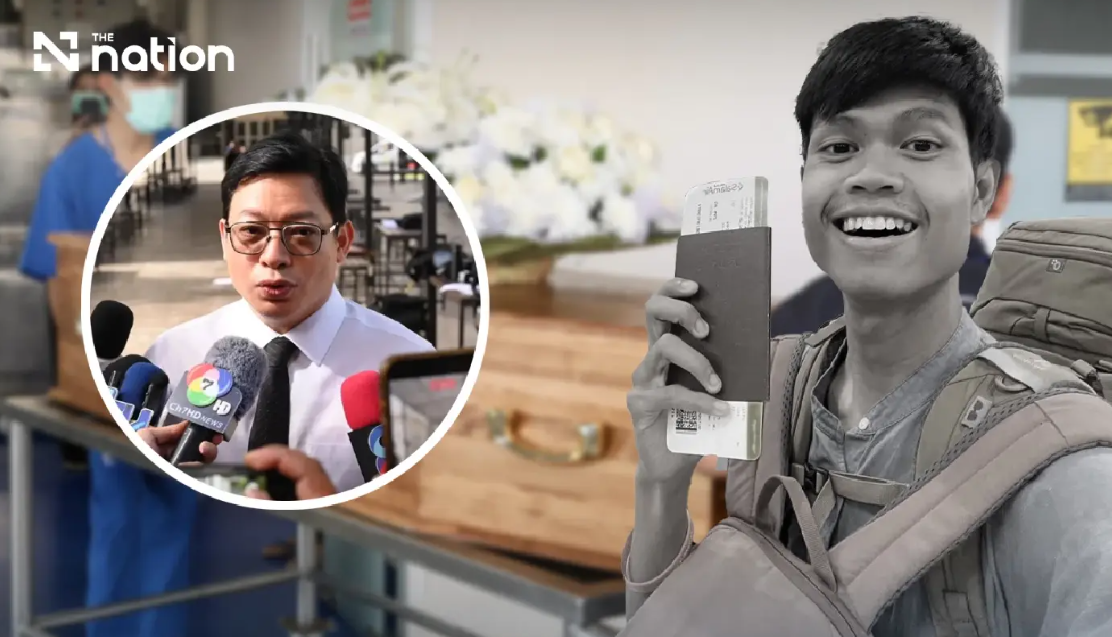
The death of popular Thai travel vlogger Bawornthat 'Hlun Solo' Pengsuk appears to have resulted from cardiac and circulatory failure according to preliminary autopsy results released on Thursday, though the Central Institute of Forensic Science has cautioned that investigations remain incomplete and potential involvement of toxins or chemical substances cannot yet be discounted. The Thai authorities conducting the examination, led by Assistant Professor Dr Worawee Waiyawut of the Justice Ministry's forensic institute, disclosed these initial findings after Pengsuk's body was repatriated from Georgia where he died under circumstances that have sparked widespread speculation and concern within Thailand's digital content creation community.
The 24-year-old vlogger, who had built a substantial following documenting his travels across Asia, was found deceased in Georgia in early August. His body underwent preliminary post-mortem examination in the Georgian capital before being returned to Thailand for additional forensic investigation. The initial Georgian examination appeared thorough, with no signs of physical trauma, assault, or skeletal injuries detected during the external assessment. The Thai forensic team's review of these earlier findings, combined with their own examination of Pengsuk's remains, has produced the preliminary cardiac conclusion, though Dr Worawee emphasised that this determination cannot yet be considered final pending completion of laboratory testing.
The examination revealed no abnormalities in Pengsuk's organs beyond those affecting the heart itself, a finding that initially points away from systemic disease or widespread organ damage. However, the forensic team identified that comprehensive laboratory analysis of cardiac tissue samples and investigation of potential genetic factors remain essential before a conclusive determination can be made. The possibility of sudden unexplained nocturnal death—a phenomenon particularly relevant in Southeast Asian medical contexts—also requires further investigation through sophisticated laboratory protocols. These additional tests will take considerable time to complete, and Dr Worawee made clear that preliminary conclusions cannot substitute for definitive laboratory evidence.
The lack of clarity surrounding the cause of death has proven frustrating for Pengsuk's family, who remain actively involved in directing the investigation. His elder brother Somsak 'Mos' Butsri, acting as the family representative, revealed that Georgian authorities provided minimal information beyond issuing a death certificate that did not specify the cause. The family was informed that Georgian medical personnel had retained organ samples and genetic material but received no detailed explanation of what testing might be conducted on these materials or what specific protocols would be followed. This communication gap has motivated the family to pursue independent forensic investigation in Thailand, hoping that the domestic process might yield clarity that international cooperation has so far failed to provide.
The family's primary concerns focus on three specific investigative areas: whether toxic substances played any role in Pengsuk's death, detailed examination of his cardiac condition, and exploration of alternative causes that might explain the sudden nature of the fatality. Somsak emphasised that circulating reports characterising the death as sudden unexplained nocturnal death lack official confirmation and are not supported by completed test results. The family intends to compare findings from both Thai and Georgian examinations once the domestic investigation concludes, with particular attention to discrepancies or inconsistencies regarding possible toxic exposure—a concern that appears central to their understanding of what may have occurred.
Somsak acknowledged that his younger brother did not regularly discuss health matters with family members, leaving significant uncertainty about whether Pengsuk had underlying medical conditions that might have contributed to cardiac failure. He noted, however, that the initial absence of external injuries or signs of physical assault provides some reassurance that no obvious violence preceded the death. Nevertheless, the family has indicated that should evidence of physical assault emerge from the Thai examination, they would pursue all available legal remedies. This stance reflects broader concerns within Thailand regarding the safety of citizens abroad and the adequacy of international cooperation in death investigations involving Thai nationals.
The practical challenges of international death investigation have been evident in this case, with basic matters such as the return of Pengsuk's personal belongings remaining incomplete. Apart from his passport, none of his possessions were returned with his body, raising questions about how personal effects are managed in Georgian death investigations and whether such items might contain information relevant to understanding the circumstances. The family's coordination with Thai authorities to request additional information from Georgian counterparts is expected to require substantial time, as official channels for international forensic cooperation operate through formal bureaucratic processes that cannot be accelerated significantly.
Pengsuk's death carries particular resonance within Thailand's rapidly expanding digital content creation industry, where travel vlogging has become an increasingly popular and profitable endeavour. The vlogger's sudden and unexplained death while abroad highlights vulnerabilities that travelling content creators face and raises implicit questions about support systems, health monitoring, and emergency response capabilities for Thai nationals in foreign countries. His case may prompt broader discussions about whether the government provides adequate assistance and information channels for young Thais pursuing careers in digital media that require extended periods away from the country.
The family's commitment to thorough investigation reflects both personal grief and determination to understand exactly what circumstances led to Pengsuk's death. His brother Somsak has maintained public communication throughout the process, updating Thai society on investigation progress while managing what must be an emotionally complex period for relatives. The family's plans to transport Pengsuk's body to his home province of Kalasin for traditional funeral rites will proceed after the Thai forensic examination concludes, anticipated by Friday. The family has not yet finalised cremation arrangements, suggesting they may await completion of all investigative procedures before conducting final funeral rites.
The broader context for this investigation includes Thailand's established expertise in forensic science and the Justice Ministry's genuine commitment to providing families with answers when deaths involve potentially suspicious circumstances. The Central Institute of Forensic Science represents Thailand's capacity to conduct sophisticated analysis and to cooperate meaningfully with international counterparts in comparative examination. However, the case also illustrates limitations inherent in cross-border investigations, where information sharing may be inconsistent and families may struggle to access details they reasonably expect regarding examinations conducted on their relatives' remains. As the Thai forensic team continues its work, both the family and broader Thai public await definitive answers about whether Pengsuk's death resulted from natural cardiac causes, external toxic exposure, or some combination of factors that investigation has yet to fully illuminate.

