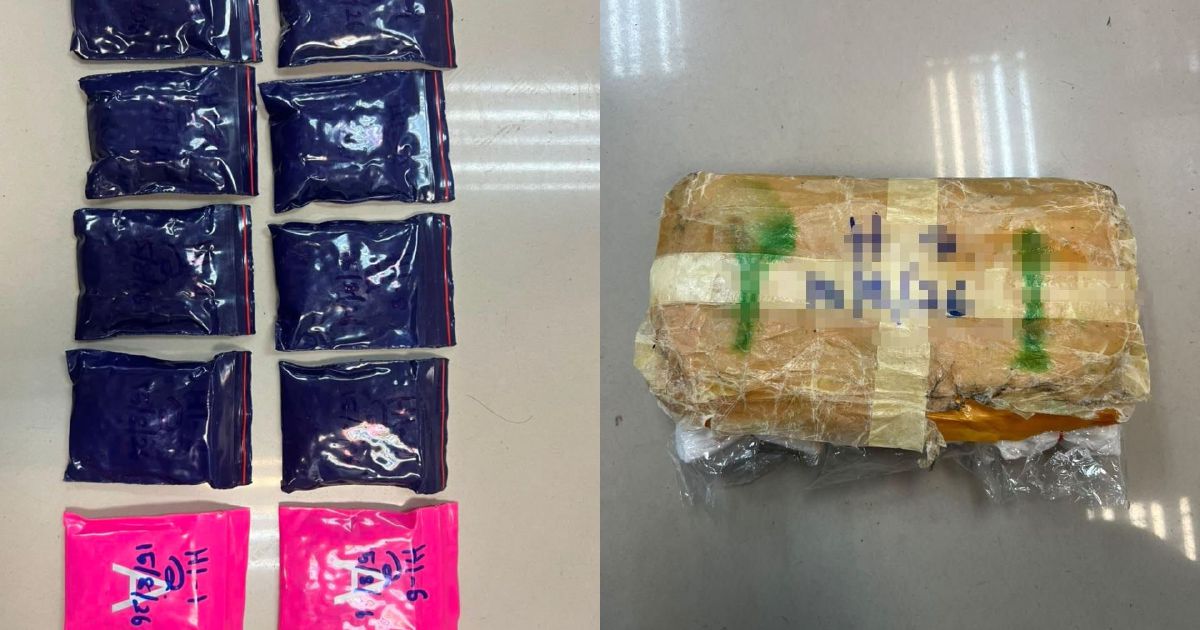
A significant drug seizure in Kelantan has resulted in the arrest of a 45-year-old Thai national operating in the porous border region. Police conducted the operation at Kampung Rahmat, located near Rantau Panjang, and recovered 6,000 yaba pills with an estimated street value of RM60,000. The apprehension underscores persistent efforts by local law enforcement to intercept narcotics destined for Malaysian markets.
Yaba, a methamphetamine-based tablet also known as "crazy medicine," represents one of Southeast Asia's most prevalent illicit drugs. The stimulant pills, typically manufactured in clandestine factories across the Thai-Myanmar border region, are considerably cheaper than powder methamphetamine and more portable, making them ideal for smuggling operations. The drug has become particularly entrenched in youth communities throughout Malaysia, commanding steady demand despite intensified enforcement campaigns.
The Pasir Mas operation demonstrates how trafficking networks exploit geography to move contraband across the Thailand-Malaysia frontier. Rantau Panjang, situated directly on the international border, has long been identified as a critical transit point for narcotics entering Malaysian territory. Smugglers utilise the dense vegetation, waterway networks, and less-monitored crossing points to circumvent official checkpoints, relying on the comparative ease of moving small-quantity loads across porous sections of the boundary.
The detained individual's nationality reflects broader regional trafficking patterns. Thai and Myanmar nationals frequently serve as couriers or mid-level distributors, leveraging their proximity to production facilities and cross-border connections. These operatives typically work on commission, moving predetermined quantities southward to Malaysian networks that control street-level distribution and retail operations. Intelligence agencies assess that the arrest of individual couriers, while important, represents merely the visible portion of larger supply chains.
Kelantan's position as a critical interception zone makes it essential to Malaysia's anti-narcotics strategy. The state's extensive border with Thailand, combined with growing addiction rates among the local population, creates a dual pressure—supply flowing inward from production zones, simultaneous with demand generation from within. Police operations in Pasir Mas, Tumpat, and other border districts form part of coordinated efforts to disrupt this flow, though trafficking organisations continuously adapt their routes and methods.
The confiscated yaba pills, if successfully distributed in Malaysian markets, would have generated substantially higher revenue through retail transactions. Street-level pricing for yaba typically ranges between RM5 and RM15 per tablet depending on location and purity, meaning the seized batch represented potential retail value exceeding RM90,000. This profit margin incentivises continued smuggling despite enforcement risks, as even occasional successful shipments yield significant returns that justify operational losses.
Law enforcement agencies in northern Malaysia have intensified border surveillance in recent years, deploying additional personnel, technology, and intelligence-sharing mechanisms with Thai counterparts. Joint task forces conduct periodic coordinated operations targeting trafficking infrastructure. However, resource constraints and the sheer length of the international boundary continue to present formidable challenges. The 670-kilometre Thai-Malaysian border encompasses terrain ranging from urban areas to dense forests and mangrove swamps, complicating comprehensive coverage.
The yaba seizure also reflects evolving drug market dynamics within Southeast Asia. While heroin and cocaine remain significant, methamphetamine in tablet form has increasingly displaced traditional opiates as the primary amphetamine-type stimulant. Regional manufacturers have optimised production processes, reducing unit costs and expanding distribution networks. Malaysian authorities report that yaba consumption now rivals or exceeds that of heroin in certain communities, particularly among younger demographics attracted to the drug's accessibility and perceived lower addiction potential compared to alternatives.
Criminal investigations following such arrests typically focus on identifying supplier networks, distribution channels, and end-user markets. Police typically examine mobile communications, financial transactions, and social connections to map the broader trafficking organisation. Intelligence gathered from individual cases contributes to threat assessments and helps authorities prioritise resources toward high-impact targets. The 45-year-old detainee's cooperation—or lack thereof—may yield valuable information regarding operational procedures, payment mechanisms, and scheduled shipments.
Successful interdiction operations such as the Pasir Mas seizure generate visible enforcement victories, important for public confidence and international cooperation metrics. However, narcotics experts acknowledge that supply-side interventions alone cannot address root causes of trafficking. Demand-reduction initiatives, including education, treatment access, and socioeconomic development in vulnerable communities, remain underfunded relative to enforcement activities. This imbalance means that while individual traffickers face detention, the underlying market dynamics favouring smuggling remain substantially unchanged.
The detained Thai national faces potential prosecution under Malaysia's Dangerous Drugs Act, which stipulates penalties ranging from lengthy imprisonment to capital punishment depending on quantity and intent classifications. Given the seized amount and likely trafficking designation, conviction would result in substantial custodial sentences. Regional extradition and mutual legal assistance treaties may also facilitate information exchange with Thai authorities investigating manufacturing operations upstream in the supply chain.

