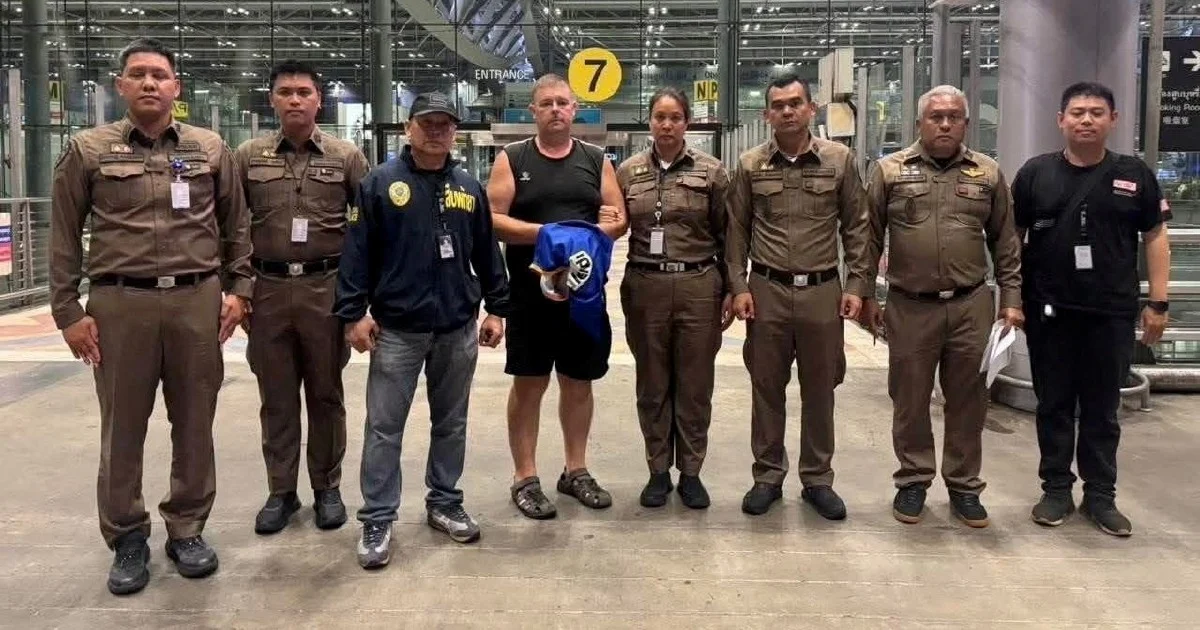
The family of a 17-year-old Thai girl whose remains were discovered sealed inside a suitcase in Pattaya is grappling with profound grief following her death. An Australian man has since been arrested and formally charged with murder in relation to the incident, marking another tragic case involving a foreign national accused of harming a Thai citizen in the bustling beach resort town.
The discovery of the teenager's body in such circumstances has sent shockwaves through Pattaya, a city already known for its complex relationship with tourism and the challenges that come with a large transient population. The suitcase discovery method indicates a deliberate effort to conceal the body, raising serious questions about the circumstances leading up to her death and whether this was an isolated incident or part of a broader pattern of concern.
Thailand's eastern coastal provinces, which include Pattaya, have historically been destinations where issues surrounding vulnerable young people intersect with foreign tourism. Cases involving foreign nationals accused of crimes against Thai minors have long troubled Thai authorities and civil society organisations focused on child protection. This incident adds another layer to the ongoing conversation about ensuring safety for Thailand's youth and strengthening mechanisms to prevent such tragedies.
The arrest of an Australian national brings international dimensions to what is already a deeply distressing local tragedy. The involvement of foreign actors in serious crimes against Thai citizens regularly complicates legal proceedings and raises diplomatic considerations, though Thai law enforcement agencies typically pursue cases with standard protocols regardless of a suspect's nationality.
Family members have expressed their devastation in the aftermath of this discovery, facing not only the loss of a young life but also the traumatic circumstances surrounding her death. In Thai culture, family bonds and collective mourning are central to processing grief, and the public nature of such cases often intensifies the suffering experienced by loved ones who must contend with media attention and community awareness of their private tragedy.
The case highlights persistent vulnerabilities within Thailand's social fabric, particularly concerning the protection of minors in areas with significant tourism activity and transient populations. While Pattaya has implemented various safety initiatives over the years, the continued occurrence of such incidents suggests that gaps remain in prevention strategies, enforcement mechanisms, and support systems designed to protect at-risk youth.
Pattaya authorities are likely to intensify investigations to establish the precise circumstances of the teenager's death, including any potential relationships or contexts that may have contributed to this outcome. Thai police agencies have developed considerable experience handling serious crimes involving foreign nationals, and the investigation will probably follow established protocols for gathering evidence, interviewing witnesses, and building a prosecution case.
The international dimension of this case may also attract attention from Australian diplomatic representatives and relevant consular officials, who will presumably monitor proceedings to ensure their national receives appropriate legal representation and due process within the Thai judicial system. Such cases often involve careful navigation of bilateral relations and mutual legal assistance frameworks between nations.
For the broader Thai community, particularly those in Pattaya and surrounding provinces, this tragedy underscores the importance of ongoing vigilance regarding child safety and the necessity for robust protective mechanisms. Non-governmental organisations focused on youth welfare and child protection will likely use this case as an opportunity to advocate for strengthened policies and increased resources for prevention initiatives.
The incident also raises important questions about international coordination in addressing crimes against minors, particularly in border regions and areas experiencing high tourist traffic. Southeast Asian nations, including Thailand, Malaysia, and neighbouring countries, continue developing joint mechanisms to combat transnational crimes and protect vulnerable populations from exploitation and violence.
Criminal investigations of this severity require meticulous forensic work, witness statements, and careful compilation of circumstantial and direct evidence. Thai legal proceedings involving murder charges typically unfold over extended timeframes as investigators ensure comprehensive case development. The Australian suspect will navigate Thailand's criminal justice system, which operates differently from common law jurisdictions like Australia, potentially creating additional complexities in his defence.
As the legal process advances, the family's grief will remain at the centre of this tragedy, with the broader implications serving as a stark reminder of the dangers faced by young people in areas where vulnerability intersects with opportunity for exploitation. The case is likely to reignite discussions about tourism, responsibility, and child protection strategies across Thailand and throughout the Southeast Asian region.

