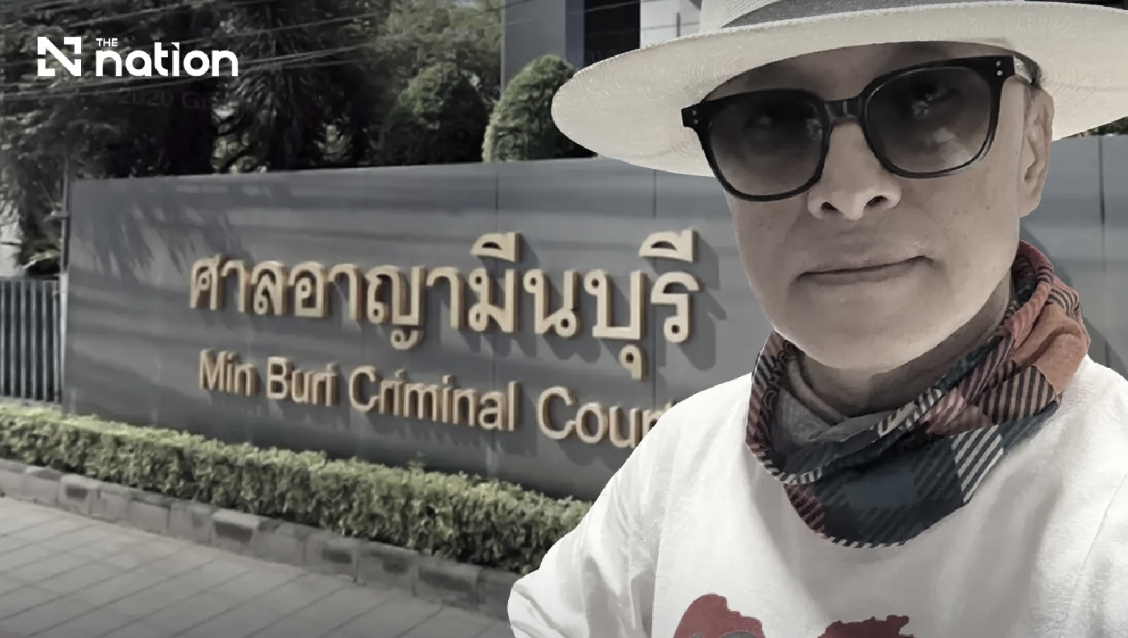
A Thai court has handed down a two-year prison sentence to Manasawin Nantasen, the 64-year-old entertainer known professionally as Tik Shiro, for causing a fatal motor vehicle accident while under the influence of alcohol. The Bangkok criminal court delivered its verdict on Wednesday, June 24, concluding a case that captured national attention and reignited scrutiny of accountability among Thailand's celebrity elite in a region where wealth and fame sometimes shield individuals from strict legal consequences.
Manasawin built his career during the late 1980s and 1990s as a performer celebrated for his distinctive style and choreography, which drew frequent international comparisons to American pop legend Michael Jackson. His signature look—including a fedora hat, leather jackets, and fluid dance movements—became emblematic of that era of Thai entertainment. Over decades, he maintained a presence in the country's cultural landscape, though his prominence had diminished by the time of the October 2024 incident that would alter the trajectory of his life.
The crash itself occurred on an elevated bridge in Bangkok when Manasawin's vehicle struck a stationary motorcycle. The impact proved catastrophic for the occupants. A 28-year-old woman riding the motorcycle died at the scene, while her brother, aged 21, was struck with such force that he was knocked off the bridge structure itself. Emergency services transported the younger victim to hospital in critical condition, but medical intervention could not prevent his subsequent death from trauma-related injuries sustained in the collision.
The aftermath generated unusual public visibility when a video emerged showing Manasawin kneeling at the accident scene in what observers interpreted as a display of grief. The footage circulated widely across Thai social media platforms, generating substantial discourse about responsibility, celebrity status, and the nature of justice in Thailand. The incident resonated particularly because it occurred within a broader cultural context where high-profile individuals occasionally escape meaningful legal accountability despite serious infractions.
Investigating authorities established that Manasawin had been operating his vehicle while intoxicated, a finding that anchored the criminal charges brought against him. The court's conviction rested on the charges of drunk driving resulting in multiple fatalities—a serious offense under Thai law. However, the judgment incorporated several mitigating considerations. The defendant voluntarily surrendered to authorities and provided cooperative testimony throughout the proceedings, both factors the court explicitly referenced when determining the appropriate sentence length.
The sentencing decision also reflected recognition of certain actions taken by Manasawin in the aftermath of the tragedy. He attended funeral services for both victims, a gesture considered significant in Thai cultural practice, and negotiated financial compensation to the bereaved families. These steps did not negate legal culpability but influenced the court's assessment of remorse and responsibility. Nevertheless, the judgment included the mandatory revocation of his driving privileges, a permanent consequence that extends indefinitely regardless of any future sentence reduction.
This case arrived amid a concurrent development in Thailand's celebrity justice narrative. Rock musician Sek Loso was simultaneously released from prison on Wednesday after completing a sentence slightly exceeding one year for charges involving controlled substance possession and unlawful firearm ownership. The parallel timing of these two high-profile cases—one involving incarceration and one involving release—amplified public attention to whether Thailand's legal system handles celebrity defendants with appropriate consistency and severity.
Thailand's historical record suggests persistent concerns about unequal application of justice involving wealthy and prominent individuals. In 2012, Vorayuth Yoovidhya, heir to a substantial fortune derived from an international energy drink brand, faced accusations that his high-performance Ferrari struck and killed a Bangkok police officer in an affluent residential district. Despite a formal investigation, authorities never proceeded to formal charges, a outcome that provoked widespread criticism about preferential treatment. Similarly, in 2001, the son of a former member of parliament allegedly discharged a firearm at a civilian in a crowded nightclub following an altercation. The defendant subsequently received acquittal based on prosecutors' determination that available evidence was insufficient to support conviction beyond reasonable doubt.
These precedents established a pattern that made observers cautious about assuming equal accountability. The Manasawin case therefore assumes particular significance as a potential indicator of whether changing public sentiment and media scrutiny might be producing shifts in judicial behavior. The fact that a court convicted and imprisoned a recognized entertainment figure, rather than allowing charges to evaporate through procedural mechanisms or evidentiary challenges, represented a departure from some historical patterns, though skeptics noted that a two-year sentence might be considered relatively modest given that two people died as a direct result of his actions.
For Malaysian and broader Southeast Asian audiences, the case illustrates persistent tensions within the Thai justice system regarding equality before law and the special positioning of entertainment figures within public consciousness. Thailand's entertainment industry wields considerable cultural influence, and celebrities occupy distinctive social positions that sometimes complicate straightforward legal proceedings. The incident demonstrates that even as Thai courts deliver convictions in high-profile cases, questions endure about whether sentences sufficiently reflect the gravity of offenses involving loss of life, particularly when compared to customary penalties administered to ordinary citizens convicted of identical crimes.
The broader implications for regional societies examining their own accountability mechanisms are substantial. Thailand's experience suggests that public pressure, media documentation, and international attention can influence judicial outcomes in celebrity cases, yet systemic disparities in treatment persist. For Malaysia and neighboring countries with similar entertainment industries and comparable socioeconomic stratifications, the Manasawin case offers instructive lessons about the ongoing challenge of ensuring that legal systems function with genuine impartiality regardless of a defendant's public prominence or financial resources.