Thai aviation authorities have initiated a comprehensive investigation into an international drug trafficking incident involving a crew member employed by Thai Airways International. The case emerged after Australian Border Force officials detected contraband during baggage screening at Melbourne Airport on Thursday, with the discovery prompting immediate coordinated responses from both Thai and Australian law enforcement agencies.
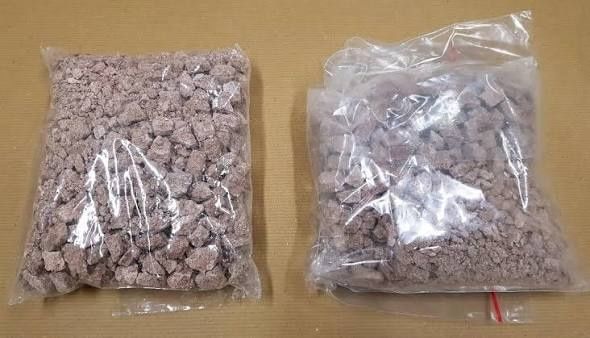
The incident centred on a 26-year-old Thai national working as a flight attendant who was apprehended when her aircraft landed at Melbourne Airport. During routine X-ray baggage screening procedures, Australian Border Force officers identified a white powder substance concealed within the lining of the crew member's luggage. Subsequent testing confirmed the material was heroin, with authorities seizing more than one kilogramme of the narcotics from her possession. The severity of the quantity seized indicates this case extends beyond simple personal possession, raising questions about potential trafficking networks and the vulnerability of airline supply chains to organised crime.
Thai Airways International responded swiftly to the arrest by releasing a formal statement on Monday through its official Facebook channels, committing the airline to establishing the complete factual record and extending full cooperation with Australian law enforcement authorities throughout legal proceedings. The carrier emphasised its categorical stance against any involvement by personnel in drug-related offences, clarifying that its organisational policies create an unambiguous prohibition against employees possessing, importing, transporting, or participating in any illegal activities involving controlled substances. This public positioning is critical for the airline's corporate reputation and reflects industry standards governing crew conduct across international aviation.
The airline's approach signals recognition that the incident represents individual criminal behaviour rather than systemic failure within Thai Airways operations. Company officials have categorised the matter as concerning personal conduct by the flight attendant, who now faces Australia's formal judicial process. Nevertheless, the airline has committed resources to engage with relevant authorities to protect the crew member's fundamental legal rights—an acknowledgment that even employees implicated in serious crimes retain basic protections within functioning legal systems. This dual approach of cooperation with authorities while safeguarding employee rights demonstrates the complex balance commercial carriers must maintain when facing criminal allegations involving their personnel.
The Civil Aviation Authority of Thailand (CAAT), the nation's primary civil aviation regulator, has similarly initiated its own investigative processes. CAAT officials announced on Monday that the authority has coordinated with airport operators and relevant carriers to verify factual details surrounding the case and conduct systematic reviews of operational procedures. This regulatory engagement reflects broader concerns within Thailand's aviation sector about security protocols and the effectiveness of existing screening mechanisms designed to prevent prohibited materials from entering aircraft.
CAAT emphasised that all passenger and baggage security screenings conducted within Thai territory comply with the authority's internal regulatory standards and align with internationally recognised guidance established by the International Civil Aviation Organization. This statement serves to reassure the flying public and international partners that Thailand maintains compliance with global aviation security benchmarks. However, the very discovery of heroin at an international destination raises uncomfortable questions about whether screening protocols at Thai airports require enhancement, despite official claims of ICAO alignment. The incident highlights that security effectiveness depends not merely on rule frameworks but on consistent implementation and vigilance across multiple checkpoints.
CAAT further clarified the institutional boundaries between different governmental functions within Thailand's regulatory landscape. The authority acknowledged that while aviation security checks focus on preventing prohibited items from boarding aircraft, enforcement operations targeting narcotics trafficking fall outside CAAT's direct purview and instead require coordination among competent statutory authorities responsible for drug enforcement and border security. This delineation reflects the reality that modern aviation security involves multiple agencies with distinct mandates, necessitating seamless information-sharing and operational coordination to address security threats effectively.
The regulator has confirmed active collaboration with Thai Airways to monitor preliminary investigative findings and remains positioned to implement regulatory sanctions against the involved personnel should judicial proceedings result in conviction. CAAT indicated it possesses statutory powers under aviation legislation to take disciplinary actions against crew members found guilty of serious criminal offences. Such regulatory measures might include revocation of necessary certifications, suspension of flying privileges, or other administrative penalties designed to protect public safety and maintain institutional integrity within Thailand's civil aviation system. The prospect of dual consequences—both criminal prosecution in Australia and regulatory sanctions from Thai authorities—underscores the serious implications of the alleged conduct.
For Malaysian aviation stakeholders and Southeast Asian carriers, this incident carries significance extending beyond Thailand's borders. The case illustrates how transnational crew mobility within the region creates potential vulnerabilities in drug trafficking networks, which may attempt to exploit the movement of personnel across international boundaries. Airlines operating in Malaysia and throughout Southeast Asia must assess whether their own security protocols adequately address similar risks. The case also demonstrates the importance of proactive international cooperation among regional aviation authorities and law enforcement bodies to identify and prevent narcotics smuggling through commercial aviation channels.
The incident raises practical questions about crew screening procedures at origin airports and whether pre-flight vetting mechanisms can be strengthened without creating excessive operational delays or unfairly stigmatising legitimate crew members. The discovery at the destination airport rather than at the origin point suggests potential gaps in Thai security protocols, though complete investigation details remain unclear. Industry observers across the region will monitor how both Thai authorities and CAAT respond to this case, as their actions may establish precedents influencing security practices among regional carriers.
Australia's rapid detection and seizure capability demonstrated in this case reflects substantial investment in border security infrastructure and professional training of frontier officers. This detection success provides some reassurance that commercial aviation supplies multiple opportunities to intercept contraband before narcotics reach street-level distribution networks. Nevertheless, the sophistication evidenced by concealment within luggage lining indicates organised criminal groups maintain evolving technical knowledge about circumventing conventional screening methods, requiring ongoing adaptation by security authorities.

