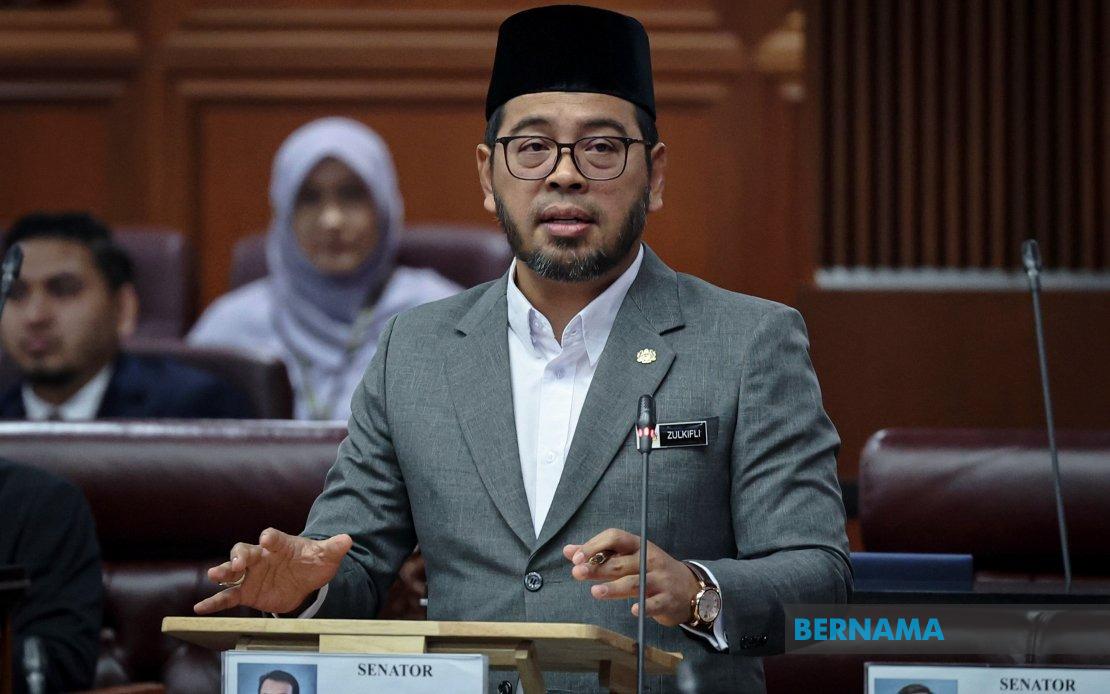
Minister in the Prime Minister's Department (Religious Affairs) Dr Zulkifli Hasan has moved to reassure Tabung Haji (TH) depositors that their zakat obligations have been properly discharged and remain entirely Syariah-compliant, addressing lingering concerns following the public release of the Royal Commission of Inquiry (RCI) report into the pilgrim fund's operations. Speaking during a special sitting of the Dewan Rakyat, Zulkifli provided detailed clarification on the institution's zakat practices spanning multiple decades, emphasizing that TH's Syariah Advisory Committee had validated the approach taken before major contractual changes were implemented.
The minister's statement carries particular weight given the heightened scrutiny TH has faced since the RCI investigation was established in 2021. The inquiry, whose 211-page report became public on 29 July this year, examined weaknesses in TH's management and operations between 2014 and 2020, uncovering systemic governance issues that had eroded public confidence in the institution. As of late July, TH had implemented 75 percent of the RCI's 25 recommendations, demonstrating a commitment to reform, though concerns about historical practices persisted among the depositor base.
According to Zulkifli, TH's Syariah Advisory Committee determined at a meeting on 2 September 2020 that zakat payments made on behalf of depositors prior to 2019, when the institution operated under different contractual arrangements, were entirely valid and compliant with Islamic jurisprudence. This ruling extends to the period from 2016 to 2019, when TH employed the Wadiah Yad Damanah (safekeeping) contract, under which zakat was calculated and paid collectively—a mechanism known as khultah—on the pooled funds of all depositors that were placed in investment vehicles. The minister's clarification on this specific point addresses a technical but significant issue that had troubled some scholars and depositors concerned about whether zakat had been properly calculated and discharged.
The legal and religious foundation for TH's zakat obligations dates back decades. The National Fatwa Committee for Islamic Religious Affairs Malaysia issued a ruling on 3 May 1979 determining that while TH itself was not subject to zakat as an institution, it bore the obligation to pay zakat on behalf of its depositors. Zulkifli emphasized that TH has consistently honored this obligation in accordance with the fatwa, demonstrating institutional adherence to national Islamic religious guidance. This 1979 decision, made when TH was still a relatively young institution, established a precedent that has guided zakat administration for over four decades, though the minister's need to reiterate this foundation suggests that clarity on historical practices remained important for public assurance.
The introduction of the wakalah (agency) concept in 2019 marked a significant shift in how TH managed zakat obligations. Under this newer arrangement, TH acts as an agent on behalf of depositors, with the responsibility for zakat calculation and payment increasingly shifted toward individual depositor accountability. This structural change, while potentially more transparent in apportioning religious obligation, represented a departure from the collective zakat administration model that had characterized earlier decades. The minister's discussion of both the pre-2019 and post-2019 arrangements underscores the complexity of managing religious obligations within a large financial institution handling millions of depositors' funds.
In addressing one of the RCI's key recommendations, Zulkifli confirmed that matters concerning TH's zakat practices were referred to the National Council for Islamic Religious Affairs (MKI) Muzakarah Committee, as the inquiry had suggested. The committee reviewed and endorsed the zakat framework in June 2024, and the views subsequently were submitted to the 267th Meeting of the Conference of Rulers in October 2024. This escalation to the highest level of Islamic governance in Malaysia reflects the seriousness with which authorities treated questions about a major Islamic institution's handling of religious obligations. The involvement of the Conference of Rulers signals that zakat practices affecting millions of Muslim Malaysians warranted scrutiny at the constitutional apex of Islamic affairs.
Beyond the zakat question, Zulkifli outlined TH's progress on reforming its hajj management policies, another area flagged by the RCI. The institution is in final stages of refining its hajj eligibility and waiting period procedures, with announcements expected soon. The new framework will emphasize istito'ah, the Islamic concept of financial and physical ability to undertake the pilgrimage, alongside systematic planning and early preparedness. This redesign responds to longstanding criticism that TH's hajj allocation system had become opaque and susceptible to manipulation, undermining both efficiency and the spiritual integrity of the pilgrimage process. For Malaysian Muslims, many of whom wait years for their turn to perform hajj, clearer policies represent a meaningful step toward fairer access to one of Islam's five pillars.
The RCI's establishment in 2021 and the subsequent investigation reflected public alarm over TH's financial deterioration and governance failures accumulated over years. The inquiry's members were appointed on 20 January 2022, and the report was formally presented to the Yang di-Pertuan Agong on 30 August 2022, though it remained unpublished for nearly two years before its public release in July 2024. This extended timeline may have contributed to speculation and concern among depositors about the severity of issues uncovered. The eventual disclosure of findings and recommendations provided transparency, yet the minister's detailed parliamentary explanation suggests that questions persisted about whether historical practices, particularly regarding zakat, had truly been appropriate.
Zulkifli's reference to TH's Zakat Guidelines, which are approved and monitored by the institution's Syariah Advisory Committee comprising religious scholars and Islamic finance experts, underscores the layered governance structure intended to ensure compliance. This multi-level oversight—from TH's internal committee to the National Fatwa Committee to the MKI Muzakarah Committee to the Conference of Rulers—reflects Malaysia's hierarchical approach to Islamic governance, where religious authority flows through established institutional channels. For depositors seeking assurance, this structure theoretically provides multiple checkpoints for verifying that obligations are being met appropriately.
The minister's address to parliament represents a strategic effort to rebuild confidence in TH at a moment when the institution remains under intense scrutiny. Depositors, many of whom are ordinary Malaysians saving specifically for their pilgrimage, had legitimate concerns about whether their religious obligations had been properly fulfilled through TH's management. By providing detailed historical context, referencing multiple layers of Syariah oversight, and confirming that highest authorities including the Conference of Rulers had endorsed TH's zakat framework, Zulkifli aimed to dispel doubts and signal that the institution's religious obligations were not a weak point in its otherwise troubled governance record.
Looking forward, the significance of these clarifications extends beyond TH itself. As Malaysia's Islamic financial sector continues to grow, with numerous institutions managing deposits, investments, and zakat on behalf of Muslim Malaysians, the questions raised about TH's zakat practices and the need for such extensive reassurance carry broader implications. They underscore the importance of transparent, clearly documented religious compliance mechanisms in large Islamic financial institutions, and they highlight the challenge of maintaining public confidence in institutions entrusted with both financial and spiritual responsibilities. For policymakers and regulators, TH's experience offers lessons about the necessity of robust Syariah governance frameworks and timely disclosure of any irregularities, particularly when they touch on fundamental Islamic obligations like zakat.
The 75 percent implementation rate of RCI recommendations as of late July indicates that TH management has moved with relative urgency to address identified weaknesses, though full completion of remaining reforms remains pending. The minister's parliamentary statement, delivered several weeks after the RCI report became public, represents part of the government's broader effort to stabilize the institution and restore depositor confidence. As TH continues implementing changes to its zakat practices and hajj management policies, the coming months will test whether these reforms genuinely address the governance failures documented by the inquiry or whether deeper structural issues require additional intervention. For the millions of Malaysian depositors who view TH as custodian of their pilgrimage savings and Islamic obligations, sustained institutional reform and transparent communication about progress will be essential to rebuilding trust.

