Lembaga Tabung Haji (TH) faces a critical moment of public reassurance as financial professionals and community leaders unite in backing the institution's restructuring efforts, which they argue demonstrate genuine progress in restoring stability and safeguarding depositor interests. The coordinated message comes amid heightened public scrutiny following the July release of a comprehensive Royal Commission of Inquiry report that laid bare operational failings spanning 2014 to 2020.
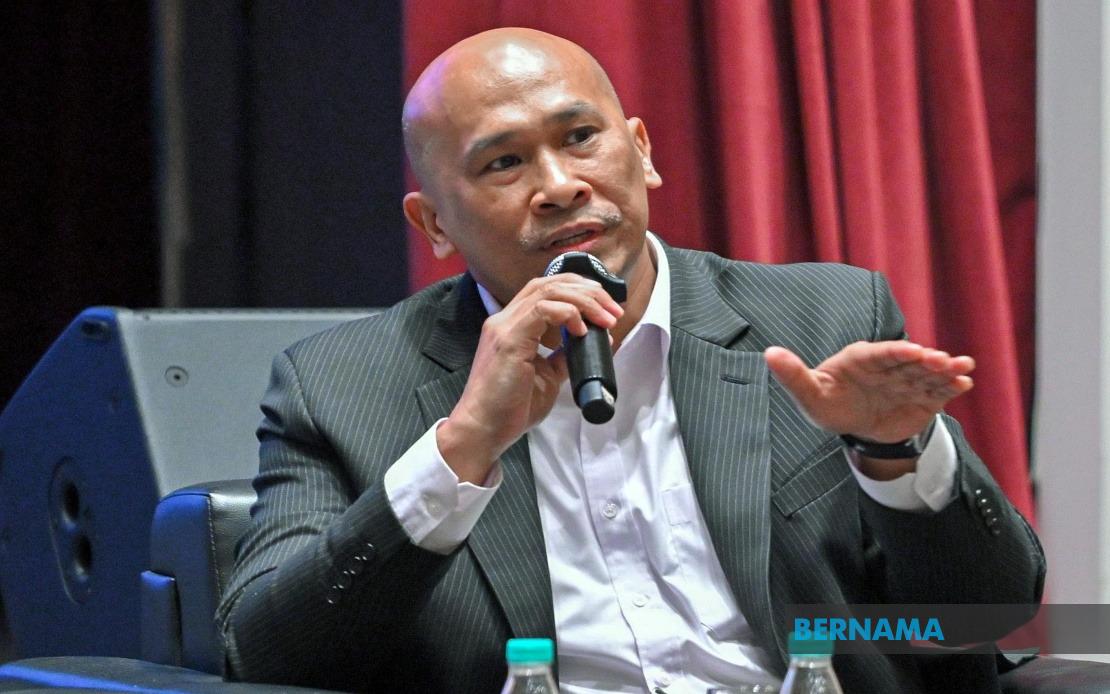
Dr Mohd Afzanizam Abdul Rashid, chief economist at Bank Muamalat Malaysia Bhd, frames the current situation as one where historical concerns have transitioned into active resolution. He emphasises that the findings documented in the RCI report, while appearing novel to the broader public upon disclosure, have already been absorbed into TH's institutional consciousness and addressed through targeted recovery mechanisms. The critical threshold, he argues, has already been crossed: five consecutive years from 2021 through 2023 where the institution maintained positive net assets—the fundamental measure of financial soundness wherein liabilities are subtracted from total assets and growth remains in the black.
This consecutive positive performance signals a directional shift from the crisis period examined by the RCI. The analyst notes that the 211-page report, completed in 2022 but only publicly released on July 29, contained 25 specific recommendations for institutional improvement, with TH confirming that approximately 75 per cent of these measures had been operationalised by July 30. The lag between completion and disclosure, while potentially frustrating to stakeholders, has not prevented operational momentum; instead, TH has continued executing reforms across multiple fronts during the intervening period.
Governance reform emerges as perhaps the most visible pillar of TH's recovery architecture. Dr Mohd Afzanizam identifies structural changes to leadership and management arrangements as essential components deserving continued attention and investment. Such governance overhauls are not cosmetic exercises but foundational resets that address the institutional pathologies documented in the inquiry—weak oversight mechanisms, fractured accountability chains, and misaligned incentives that characterised the earlier period. For depositors and potential savers, robust governance frameworks provide the institutional scaffolding necessary for long-term trustworthiness.
Beyond financial metrics and administrative restructuring, the analyst introduces a dimension often overlooked in purely quantitative assessments of Islamic financial institutions: TH's embedded role within the broader Malaysian-Saudi Arabian diplomatic and religious relationship. The institution functions not merely as a banking entity but as a cultural and religious custodian, with its reputation in the Kingdom directly influencing Malaysia's hajj quota allocations and the lived experiences of Malaysian pilgrims. Strong diplomatic standing has tangible consequences for the Malaysian Muslim community's access to one of Islam's central obligations. Dr Mohd Afzanizam underscores that Saudi authorities maintain positive perceptions of Malaysian hajj participants, a sentiment he attributes substantially to TH's disciplinary guidance and operational management of pilgrim groups—intangible assets that financial spreadsheets cannot capture.
Mohd Hafiz Abd Hamid, secretary-general of IKRAM Malaysia, articulates a complementary perspective grounded in Islamic values and social responsibility. He deliberately reframes public discourse around TH, rejecting the reductionist characterisation of the institution as merely another savings vehicle. Instead, he positions TH as a sacred trust—a custodian of Muslim aspirations to fulfil the hajj obligation, one of Islam's five pillars. This theological and social framing carries weight within Malaysian Muslim society, where TH deposits represent far more than accumulated wealth; they embody spiritual commitment and religious aspiration. From this vantage point, institutional failures represent not simply financial mismanagement but potential compromise of depositors' religious journeys and their relationship with their faith. The imperative for TH management, Haziz argues, extends beyond technical competence to encompass a moral obligation to protect the dignity and trust reposed in the institution by millions of Malaysians.
This appeal to institutional stewardship and higher purpose finds resonance in voices from the broader depositor base. Nooraishah Wahab, a 57-year-old housewife maintaining her savings with TH despite the public airing of governance weaknesses, exemplifies the complex calculus many depositors undertake when evaluating institutional risk. Her continued confidence, she indicates, rests not on denial of past failures but on observed efforts to correct course and a personal conviction that TH's importance to Malaysian Muslims justifies an expectant patience during restructuring phases. Her perspective likely reflects a substantial subset of TH's 1.7 million registered members—individuals for whom withdrawal, in practice, amounts to abandoning a decades-long spiritual and financial commitment.
The convergence of analyst confidence, religious leadership affirmation, and depositor persistence creates a narrative of institutional rehabilitation, yet important nuances temper any triumphalism. The RCI findings themselves were extensive and damning, covering fraud, misgovernance, and operational negligence across multiple departments. That 75 per cent of recommendations have been implemented by late July still implies one-quarter remain pending; completion deadlines and substantive execution are separate matters. Furthermore, institutional recovery timelines frequently extend beyond public appetite for uncertainty, creating vulnerability to renewed crises if execution falters or new information emerges.
For Malaysian and Southeast Asian observers, TH's trajectory carries broader significance beyond its 1.7-million-member base. The institution represents an important test case for governance reform within Islamic financial structures in the region, where public trust in such institutions undergirds financial system stability and sectarian cohesion. Additionally, TH's diplomatic importance to Malaysia's relationship with Saudi Arabia—one of the Muslim world's most influential powers—means that financial instability carries geopolitical implications extending well beyond banking sector concerns. Malaysia's competitive position within ASEAN partly depends upon stable engagement with key Gulf states; TH's effective functioning becomes a component of regional standing.

