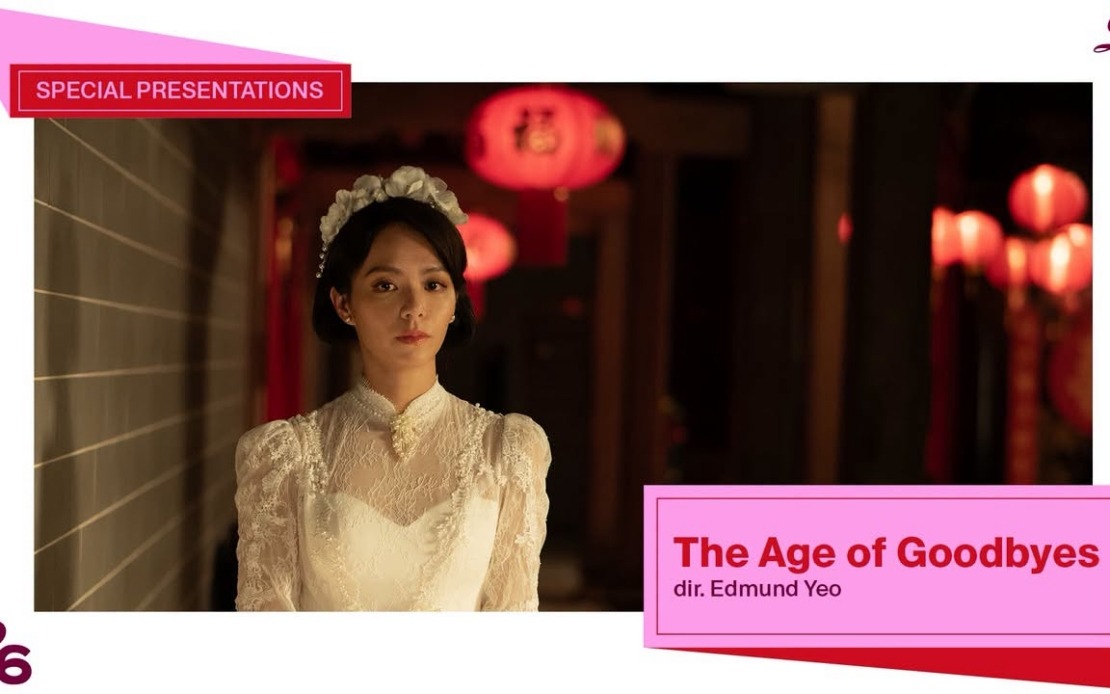
Deputy Communications Minister Teo Nie Ching has marked a significant moment for Malaysia's creative sector by congratulating the production team behind The Age of Goodbyes, which has secured selection to the Special Presentations section of the Toronto International Film Festival (TIFF). The announcement represents a watershed moment for Malaysian cinema, as this stands as the first time a homegrown production has earned placement in this prestigious TIFF category, where the film will debut to international audiences for the first time.
The achievement carries particular weight because the project exemplifies the intersection of Malaysian cultural expression across multiple mediums. The Age of Goodbyes holds the distinction of being Malaysia's inaugural feature film adaptation drawn from a Malaysian Chinese literary novel, authored by Li Zi Shu. This dual recognition—both as a breakthrough film selection and as an adaptation bridging written and cinematic storytelling traditions—underscores the diversity and sophistication of contemporary Malaysian creative work.
In her Facebook statement, Teo emphasised that the selection reflects broader strengths within Malaysia's creative ecosystem and demonstrates the calibre of storytelling that can emerge from the country. She positioned the achievement as validation for the local industry's capacity to produce work of international calibre, capable of competing on world stages traditionally dominated by productions from established filmmaking nations. The milestone signals that Malaysian narratives and artistic visions have earned recognition beyond regional boundaries.
The film itself represents a collaborative effort between Malaysian and Taiwanese filmmakers and production teams. Director Edmund Yeo has helmed the project, working alongside novelist Li Zi Shu, whose original literary work provided the source material. Producer Dennis Lai and the ensemble cast, led by Taiwanese actor Vivian Sung in the protagonist role, complete the creative team. This combination of cross-border collaboration and talent demonstrates how regional partnerships can strengthen the final product and expand its appeal to international audiences.
The National Film Development Corporation Malaysia has played a crucial supporting role through its Dana Kandungan Kreatif grant programme, which provided financial backing for the production. This institutional support indicates that government bodies responsible for fostering the creative sector recognise the importance of investing in ambitious, culturally significant projects that can elevate Malaysia's profile internationally. Such funding mechanisms become increasingly vital as Malaysian filmmakers compete for festival slots and international distribution against well-resourced productions from other countries.
Teo's remarks highlighted how the TIFF selection exemplifies the potential for Malaysian storytelling to resonate with global audiences while maintaining its distinctive cultural character. The Special Presentations section at TIFF itself carries considerable prestige, featuring directorial debuts, international cinema from established auteurs, and films of artistic significance that fall outside traditional competition categories. Placement here signals that selection committees recognised artistic merit and narrative power that transcends purely commercial considerations.
The significance of this breakthrough extends beyond mere symbolic value. Festival selections at events of TIFF's stature typically lead to expanded distribution opportunities, critical attention from major international film publications, and pathways to other prestigious festivals and award ceremonies. For Malaysian films, such exposure can prove transformative, potentially opening doors for subsequent productions from the country and elevating global perception of Malaysian cinema's capabilities.
The Age of Goodbyes' narrative, whilst drawing from Malaysian Chinese literature, speaks to universal themes of human relationships and transition that resonate across cultural boundaries. The adaptation process from novel to screen required interpreting literary language and internal psychology into visual storytelling techniques, a challenge that the production team appears to have met successfully enough to impress TIFF's curatorial team. This translation of a specifically Malaysian cultural work into a form accessible to international viewers demonstrates the universality of compelling storytelling.
For Malaysia's broader cultural positioning in Southeast Asia and globally, the selection carries implications beyond cinema alone. It reinforces the region's capacity for sophisticated creative production and positions Malaysian talent alongside recognised international practitioners. As countries across Asia increasingly seek to establish themselves as creative hubs and cultural exporters, such recognition through major festival selections becomes an important marker of soft power and cultural influence.
The recognition also comes at a moment when discussions about representation and diverse voices in international cinema continue gaining prominence. A Malaysian film, adapted from Malaysian Chinese literature, featuring cross-regional creative teams and telling distinctly local stories, fits within broader movements toward expanding the range of narratives and perspectives visible on world cinema stages. This alignment with contemporary cultural currents may have contributed to the selection committee's decision.
Looking forward, the TIFF world premiere will provide the first comprehensive platform for international critics, industry professionals, and festival audiences to experience the film. The response it receives could influence its trajectory toward other major festivals, potential awards recognition, and commercial distribution in key markets. For Malaysian filmmakers observing the process, the success demonstrates both the feasibility of reaching the highest-tier international platforms and the importance of combining artistic ambition with strategic support and collaboration.

