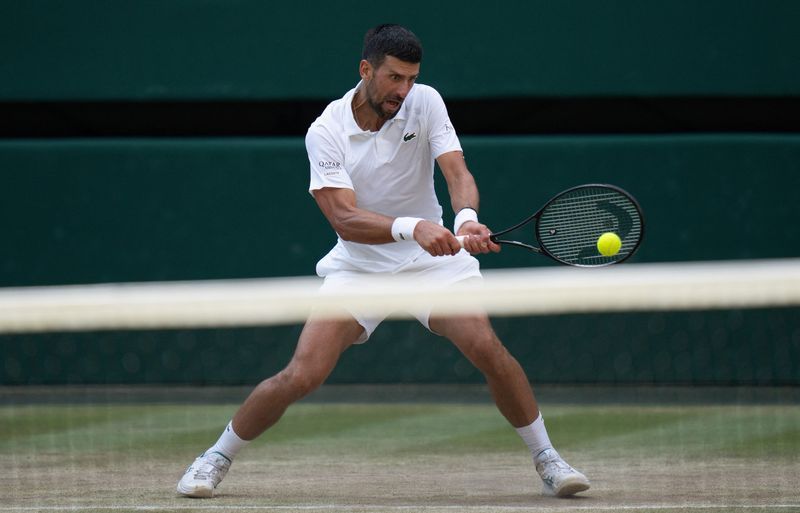
The Professional Tennis Players Association escalated its push for calendar reform on Monday, leveraging high-profile withdrawals from the Canadian Open to underscore what it describes as an unsustainable pattern of overwork in elite tennis. The advocacy group said the successive absences of top players from the Montreal tournament—including world number one Jannik Sinner, 24-times Grand Slam champion Novak Djokovic, and third-ranked Carlos Alcaraz—reflect systemic pressures that tournament organisers and tour operators have dismissed or downplayed for too long.
The withdrawals painted a stark picture of the sport's current predicament. Sinner and Djokovic led the exodus from the men's draw, while the women's event saw defending champion Victoria Mboko, Wimbledon finalist Karolina Muchova, Emma Raducanu, and Jasmine Paolini all ruled out through injury. Canadian hope Felix Auger-Aliassime, competing on home soil, also withdrew before his opening match due to a back complaint. The PTPA statement made clear the organisation views these absences not as isolated misfortune but as symptomatic of a larger structural problem.
Central to the PTPA's case is a comprehensive eight-year injury analysis spanning more than 30,000 professional matches, conducted in collaboration with medical director Dr. Robby Sikka. The data paints an alarming trajectory, particularly when comparing 2026 against previous years. Upper-body injuries have surged 42 percent in the first quarter of 2026 relative to the same period in 2025, while arm injuries specifically have climbed 112 percent compared with the 2025 average. These figures suggest that player welfare is deteriorating even as the sport pursues expansion and commercially driven scheduling decisions.
The trigger for this injury acceleration, according to the PTPA, is the ATP's OneVision strategic plan, which expanded seven of nine Masters 1000 tournaments to 12-day events beginning with the 2025 season. While tour operators marketed the move as modernisation, the players' union contends it has compressed the recovery windows between tournaments that competitors desperately need. The extended format reduces training time, forces faster turnarounds for travel, and eliminates buffer periods previously available for medical treatment and rehabilitation.
The PTPA's statement was notably uncompromising in tone, declaring that "short-term commercial interests cannot come at the expense of player health" and warning that failing to act threatens not only current competitors but the long-term viability of the sport itself. The association framed player welfare as a structural issue requiring systemic solutions rather than individual accommodation, challenging the ATP's previous position that players retain sufficient agency to manage their own schedules and workloads.
In response to player concerns raised over many seasons, the ATP has maintained that competitors retain choice over which tournaments to enter and that the tour is working to incentivise balanced participation. However, the PTPA's argument cuts against this narrative, emphasising that players face real financial and career pressures that make tournament commitments functionally mandatory despite nominal flexibility. Without structural intervention, individual choice becomes largely illusory for those competing at the highest level.
For Malaysian and Southeast Asian tennis followers, this debate carries particular significance given the region's emergence as a venue for professional tennis events and its growing contingent of rising players. If the calendar remains overloaded and injury rates continue climbing, the developmental pathway for younger competitors in Asia could be compromised. Tournaments hosted in the region would also face greater withdrawal rates if top-ranked players are increasingly unable to compete due to injury or exhaustion, potentially undermining the commercial and promotional value of those events.
The PTPA has outlined a series of reforms it believes are necessary: a fundamental restructuring of the annual calendar informed by player input and medical evidence; a reduction in mandatory tournament commitments to allow meaningful recovery; and specifically, a reversal of the 12-day Masters 1000 format to its previous length. These proposals directly challenge the commercial logic that has driven recent expansions, suggesting a fundamental tension between revenue maximisation and competitor wellbeing that the sport has not adequately resolved.
Tournament organisers themselves have begun acknowledging the problem. Last month, they flagged recurring late withdrawals from Masters 1000 events as a widening issue affecting the professional circuit. Yet acknowledgement has not translated into action, and the ATP and WTA Tours initially declined to comment on the PTPA's latest statement, suggesting institutional reluctance to engage meaningfully with structural reform.
The stakes in this debate extend beyond individual injuries or tournament schedules. The PTPA is essentially challenging the foundational economics of modern professional tennis, arguing that the sport's current business model is unsustainable if it continues to prioritise event expansion and commercial revenue growth over player health. Whether the sport's governing bodies will respond by genuinely restructuring the calendar or whether they will absorb periodic withdrawals and injury-related absences as acceptable costs of the present system remains an open question with profound implications for the future of competitive tennis globally and in the Asia-Pacific region.

