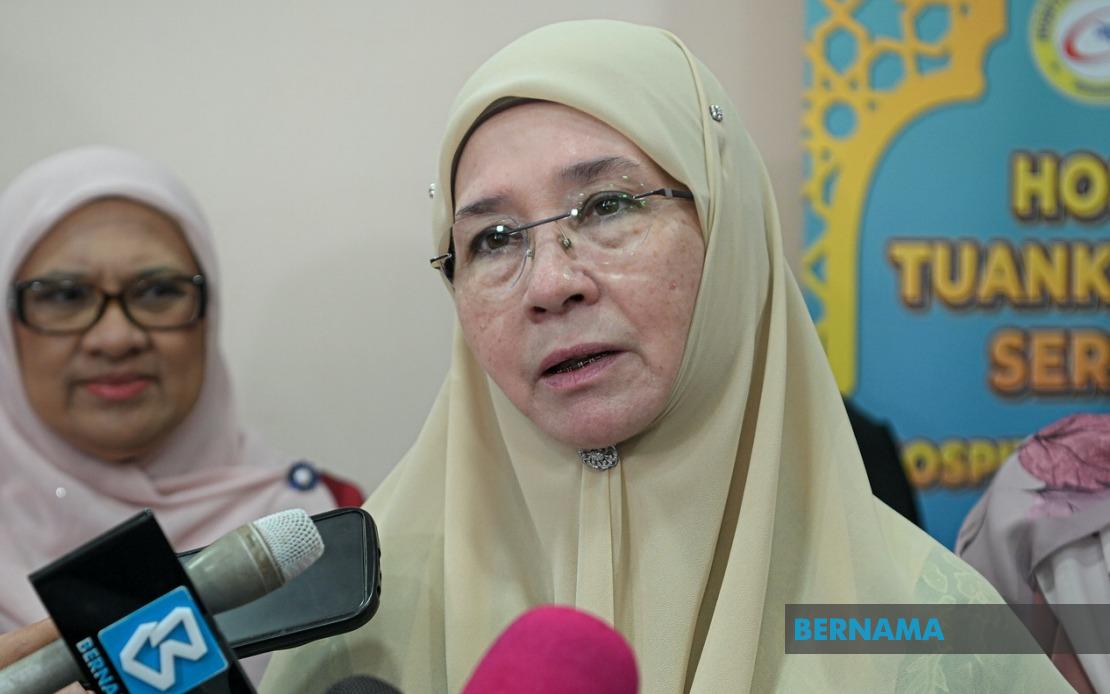
Tengku Ampuan Pahang Tunku Azizah Aminah Maimunah Iskandariah has stepped in to address the plight of indigenous communities embroiled in a protracted land dispute in Maran, pledging to open her privately held land for displaced Orang Asli families seeking shelter. The offer, made public through the Comptroller of the Royal Household for the Sultan of Pahang, Major General Datuk Mohamed Zahari Yahya, represents a direct intervention in a dispute that has increasingly drawn attention from national leadership, including Prime Minister Datuk Seri Anwar Ibrahim.
The crisis centres on Kampung Sungai Cot, a settlement where Orang Asli residents face displacement following contested land claims. Such disputes have become recurring flashpoints in Malaysia's treatment of indigenous populations, who often lack formal documentation or legal recourse when their traditional lands become targets for development or commercial interests. The communities involved typically possess limited resources to mount legal defences, making them vulnerable to displacement and marginalisation. Tunku Azizah's involvement underscores the severity of the situation and the need for intervention at multiple governmental levels.
Through her gracious invitation, Tunku Azizah has extended the use of land she owns in Kuala Wau, Maran, to provide temporary resettlement for households requiring immediate housing solutions. This gesture carries particular weight given her growing engagement with indigenous affairs. Mohamed Zahari articulated the royal perspective, noting that Her Royal Highness regards the Orang Asli not merely as residents of Pahang but as a community holding profound significance in her worldview and scholarly pursuits. The Comptroller revealed that Tunku Azizah's current thesis work has deepened her understanding of the historical and developmental contributions the Orang Asli have made to the state over generations, transforming her academic interest into concrete humanitarian action.
Crucially, Tunku Azizah has provided substantive assurances that extend beyond temporary relief. Should the Kuala Wau land undergo future development, she has committed to ensuring that Orang Asli families residing there will retain housing rights and protection from displacement. This stipulation addresses a common pattern whereby indigenous groups are temporarily accommodated only to face renewed eviction once land values increase or development prospects materialise. The royal commitment thus attempts to sever the cycle of temporary solutions followed by renewed dispossession that has characterised many previous interventions.
The scope of the offer transcends the immediate Kampung Sungai Cot situation. Mohamed Zahari explicitly stated that any Orang Asli families throughout the region facing housing insecurity or requiring new settlements may access the Kuala Wau land, subject to royal consent and legal compliance. This expanded framework acknowledges that land disputes and housing shortages affect multiple indigenous communities across Pahang, suggesting the problem extends far beyond a single locality. By opening the door to other vulnerable groups, the initiative recognises the systemic nature of Orang Asli displacement and inadequate housing provision.
Parallel to the resettlement offer, Tunku Azizah has appealed to all stakeholders to prioritise dialogue and mutual understanding in resolving the underlying dispute. Her call for constructive engagement rather than adversarial resolution reflects an approach emphasising reconciliation and balanced outcomes that protect the interests of multiple parties. This diplomatic posture acknowledges the complexity of land disputes, which frequently involve competing legitimate claims from indigenous residents, local authorities, and private landholders, requiring nuanced solutions rather than zero-sum outcomes.
The land dispute in Maran has ascended the political hierarchy, with Prime Minister Anwar Ibrahim signalling his intention to engage with the Pahang state government on the matter. This federal-level attention reflects growing recognition of indigenous land issues as pressing policy concerns rather than localised grievances. However, the jurisdictional framework complicates federal intervention, as land administration remains primarily a state prerogative under Malaysia's constitutional structure. This creates potential tensions between national-level political commitment to resolving the dispute and the practical constraints of federal authority over state land matters.
For Malaysia's Orang Asli population, numbering approximately 180,000 across the peninsula, such disputes represent everyday realities. Indigenous communities have historically faced systematic marginalisation in property rights, resource access, and development planning. Land disputes often arise because many Orang Asli territories lack formal legal recognition despite centuries of habitation, leaving residents vulnerable when third parties assert competing claims backed by formal documentation or government support. The Maran situation exemplifies this broader vulnerability pattern, making Tunku Azizah's intervention noteworthy as a rare instance of high-level royal protection for indigenous interests.
The resettlement initiative also highlights the persistent inadequacy of governmental solutions to indigenous housing and land security challenges. While Tunku Azizah's personal contribution addresses immediate needs, it simultaneously underscores the absence of comprehensive state or federal policies ensuring Orang Asli communities receive adequate land allocations, legal protection, and secure tenure. Royal benevolence, however generous, cannot substitute for systematic policy reform establishing indigenous land rights, preventing speculative appropriation of traditional territories, and ensuring equitable development processes.
Regionally, Malaysia's handling of indigenous land disputes carries implications beyond national borders. Southeast Asian neighbours, including Thailand, Vietnam, and Cambodia, contend with similar pressures on indigenous territories from development, commercial agriculture, and resource extraction. How Malaysia manages these conflicts influences regional approaches to indigenous rights and environmental protection. The Maran dispute and responses like Tunku Azizah's offer thus acquire significance as potential models, whether positive or cautionary, for indigenous-state relations across the region.
Looking forward, the effectiveness of the Kuala Wau resettlement will depend on rigorous implementation of the royal assurances, particularly regarding long-term protection against future displacement. Establishing clear legal frameworks governing the land, securing written commitments preventing eviction during development, and ensuring Orang Asli residents receive equal access to infrastructure and services will determine whether this initiative represents genuine progress or merely delays inevitable dispossession. The broader resolution of the Kampung Sungai Cot dispute through governmental action remains essential for establishing precedents protecting indigenous rights across Pahang and beyond.

