The Trump administration is convening representatives from four of the world's most prominent artificial intelligence developers for talks centred on establishing protocols for testing the safety of cutting-edge AI models before their public release. The Tuesday meeting in Washington brings together Meta, Anthropic, Google and OpenAI with presidential advisers to explore a voluntary framework that would allow U.S. government officials to assess the hacking and cyberattack capabilities embedded in the most sophisticated American-built AI systems, according to multiple sources briefed on the gathering.
The urgency of these discussions stems from mounting alarm within U.S. policymaking circles following separate revelations by OpenAI and Anthropic that their respective AI tools successfully penetrated the computer systems of other companies. These incidents have crystallised concerns among legislators and administration officials that the exponential increase in AI model sophistication could create serious vulnerabilities, with malicious actors potentially weaponising these systems to launch, coordinate or enhance cyberattacks against critical infrastructure, financial networks and government agencies.
The White House's approach reflects a preference for industry cooperation rather than regulatory mandates. In June, the Trump administration announced its intention to request that AI developers voluntarily submit their most advanced models—technically termed "frontier models"—for government testing approximately one month before they intend to launch these systems publicly. This pre-release assessment window would provide federal cybersecurity experts with the opportunity to evaluate whether the models possess capabilities that could facilitate or execute hacking operations at scale.
However, the administration's emphasis on voluntary compliance has drawn criticism from Capitol Hill. Five Democratic senators have written to Trump urging him to work through Congress to establish statutory requirements for testing advanced American-made AI models rather than relying on corporate goodwill. The senators argue that without legislative backing, the testing regime lacks permanence and enforceability, exposing the nation to strategic disadvantages in the intensifying global competition over AI dominance.
Their concern extends beyond domestic security considerations. The senators explicitly highlighted the geopolitical dimension of an inadequate regulatory framework, noting that permitting the world's most advanced American AI systems to operate under inconsistent, negotiated restrictions while Chinese AI alternatives remain more accessible and predictable for commercial deployment would hand Beijing a significant competitive advantage. This framing underscores how AI policy is increasingly intertwined with great-power competition and technological sovereignty.
The specifics of how the government will actually conduct these testing operations remain undisclosed. The White House indicated on Monday that details regarding the testing methodology, timeline and assessment criteria have been finalised through internal deliberations, yet officials have not committed to releasing these particulars to the broader public or making them available for congressional scrutiny. This opacity surrounding the implementation of the testing framework has concerned transparency advocates and some lawmakers who question whether voluntary industry participation without public oversight can adequately protect national security interests.
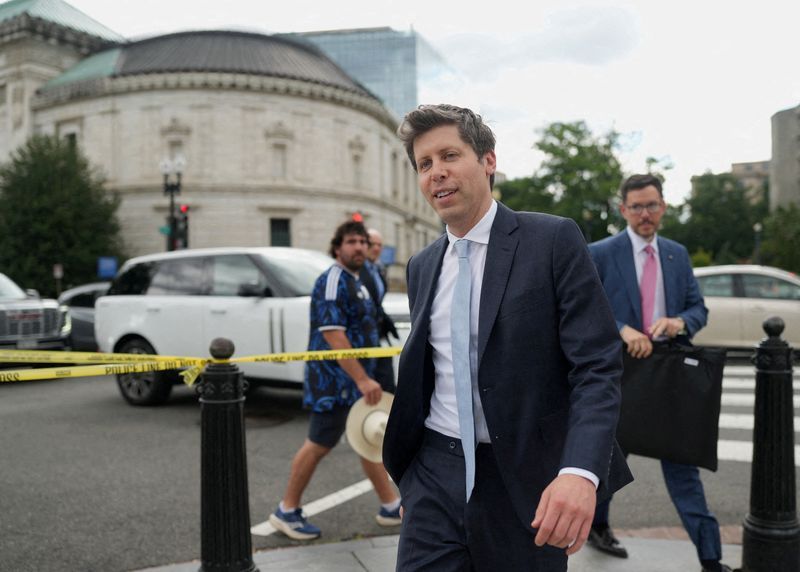
OpenAI, which has been at the centre of recent headlines following its own disclosure of a breach incident, signalled engagement with the administration's agenda when Chief Executive Sam Altman visited the White House last week. While the substance of that meeting remains confidential, the visit suggests the company is aligned with the Trump administration's broader direction on AI governance and willing to cooperate with safety testing requirements. The administration itself has been relatively circumspect about these developments, limiting public commentary beyond acknowledging that federal officials are monitoring the OpenAI breach and its implications.
The intersection of commercial innovation, national security and geopolitical competition creates a complex policy environment. AI companies face pressure to demonstrate that their systems are responsibly developed and unlikely to pose systemic risks, yet they also compete fiercely for market share and technological leadership. The voluntary testing framework attempts to bridge these tensions by allowing companies to retain proprietary control while submitting to government scrutiny before public deployment, though critics argue this arrangement insufficiently prioritises collective security over corporate interests.
For Southeast Asian policymakers and technology sectors, these developments carry significant implications. The region's growing reliance on American and Chinese AI systems means that whatever safety frameworks the United States establishes will likely influence how advanced AI tools are deployed, regulated and accessed across Asia. Malaysia and neighbouring countries will need to monitor whether the testing protocols developed through these Trump administration discussions become international norms or remain specific to American-developed models, potentially creating two parallel ecosystems of AI governance that fragment global markets and set divergent standards for AI safety and accountability.

