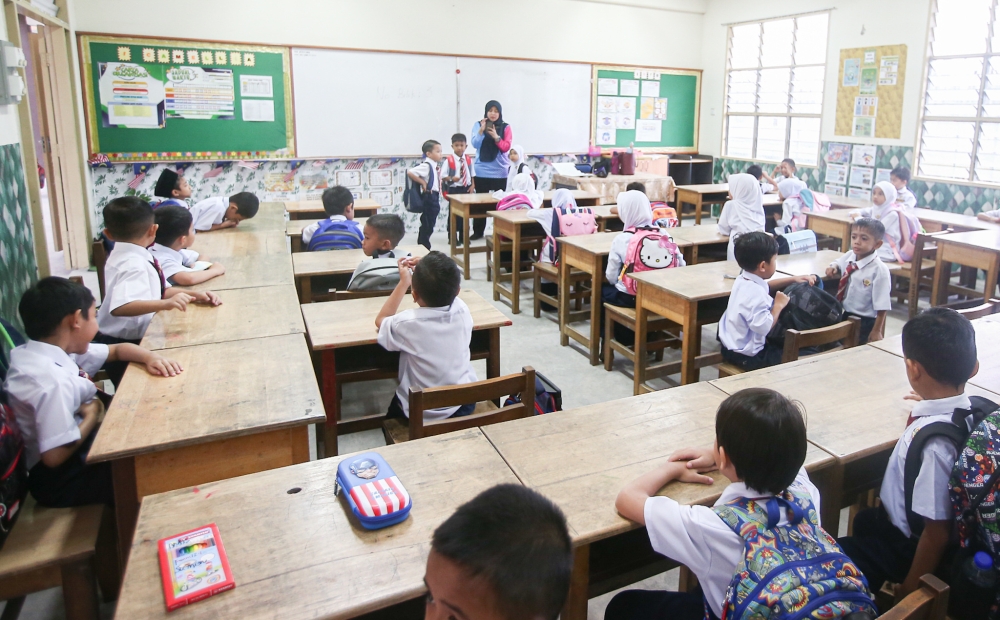
Educators in Malaysia face a mounting crisis of confidence in their disciplinary authority, with classroom instructors increasingly hesitant to implement necessary corrective measures for fear of legal repercussions and public online condemnation. The National Union of the Teaching Profession has thrown its weight behind a proposed Teachers' Protection Act, arguing that existing safeguards are inadequate to protect pedagogues from the dual threats of civil lawsuits and social media campaigns that can damage reputations and careers.
The reluctance among teachers to enforce discipline represents a fundamental challenge to school governance. When educators lack confidence in their legal standing to address misbehaviour, the entire disciplinary framework that maintains classroom order becomes compromised. Beyond the immediate consequences for individual institutions, this erosion of disciplinary authority signals a broader institutional weakness that affects the learning environment for all students, particularly those who benefit from structured boundaries and consistent consequences for their actions.
The union's endorsement of protective legislation reflects growing frustration within the teaching profession. Teachers report heightened anxiety when making decisions that, while educationally sound and historically accepted practice, might invite parental complaints or legal challenges. This psychological burden extends beyond the moment of discipline itself; educators describe a lingering apprehension about potential consequences that can affect their willingness to engage in necessary corrective conversations or actions months or even years after an incident occurs.
Online backlash has emerged as a particularly potent deterrent to disciplinary action. In an era where videos and accounts of classroom incidents can circulate rapidly across social media platforms, teachers must now consider not only whether their actions are legally defensible but also how they might be perceived and weaponised in the court of public opinion. Parents armed with smartphones and social media access have reconfigured the power dynamics of teacher-parent relationships, introducing an element of surveillance and potential digital retaliation that previous generations of educators never encountered.
The frequency of lawsuits against teachers has risen sufficiently to register as a genuine concern among union members. While precise figures on such litigation remain difficult to establish, anecdotal reports from schools across the country suggest that more parents are pursuing legal action rather than resolving disputes through traditional school channels. These cases, regardless of their merits or ultimate outcomes, create financial and emotional stress for defendants and discourage colleagues from taking similar actions even when warranted.
The proposed Teachers' Protection Act addresses a legitimate gap in Malaysia's employment and administrative law framework. Current legislation provides limited explicit protection for educators acting within their professional capacity and authority when disciplining students. Unlike some jurisdictions that have developed comprehensive frameworks shielding teachers from liability for reasonable disciplinary measures, Malaysian law leaves considerable ambiguity about what constitutes reasonable discipline and what safeguards apply when parents contest a teacher's actions.
For Malaysian schools operating within an increasingly litigious environment, the implications are profound. Schools may find themselves caught between supporting their educators and managing relationships with parents who view any discipline as potentially actionable. Administrators, already stretched thin, must navigate these competing pressures while attempting to maintain educational standards. The absence of clear legal protection for teachers effectively transfers risk upward to school administrators and ultimately to the Ministry of Education, creating institutional incentives to discourage disciplinary action entirely.
The Southeast Asian context adds further complexity to this issue. Malaysia's education system sits within a region experiencing rapid social change, rising educational expectations from parents, and growing engagement with global educational standards and best practices. At the same time, traditional deference to educational authority is declining, particularly among urban middle-class families with the resources and inclination to pursue grievances through formal channels. This generational and socioeconomic shift requires a recalibration of the legal and institutional frameworks governing teacher-student relationships.
The union's position enjoys substantial backing from education practitioners who witness daily the paralysis that defensive behaviours can introduce into school operations. Teachers describe instances where they have chosen to overlook misbehaviour rather than risk intervention, conscious that any action they take might subsequently be questioned, misrepresented, or weaponised. This self-censorship ultimately undermines the very purpose of schools as structured environments where students learn not only academic content but also the social and behavioural expectations of functioning in larger communities.
Legislative reform, however, must balance educator protection with legitimate parental interests and student welfare safeguards. A Teachers' Protection Act cannot simply provide blanket immunity for all teacher actions; it must establish clear definitions of reasonable and appropriate discipline while providing liability protection for actions falling within those parameters. Such legislation would ideally create a safe harbour for teachers acting in good faith while maintaining accountability mechanisms for genuinely abusive or negligent conduct.
The broader educational ecosystem depends on teachers feeling confident in their professional judgment and their institution's backing when exercising that judgment. When fear of legal or reputational consequences dominates decision-making, the educational mission itself suffers. The NUTP's advocacy for protective legislation reflects an urgent recognition that sustainable schooling requires not only qualified teachers but teachers empowered to perform their full range of professional duties without debilitating anxiety about personal legal exposure.

