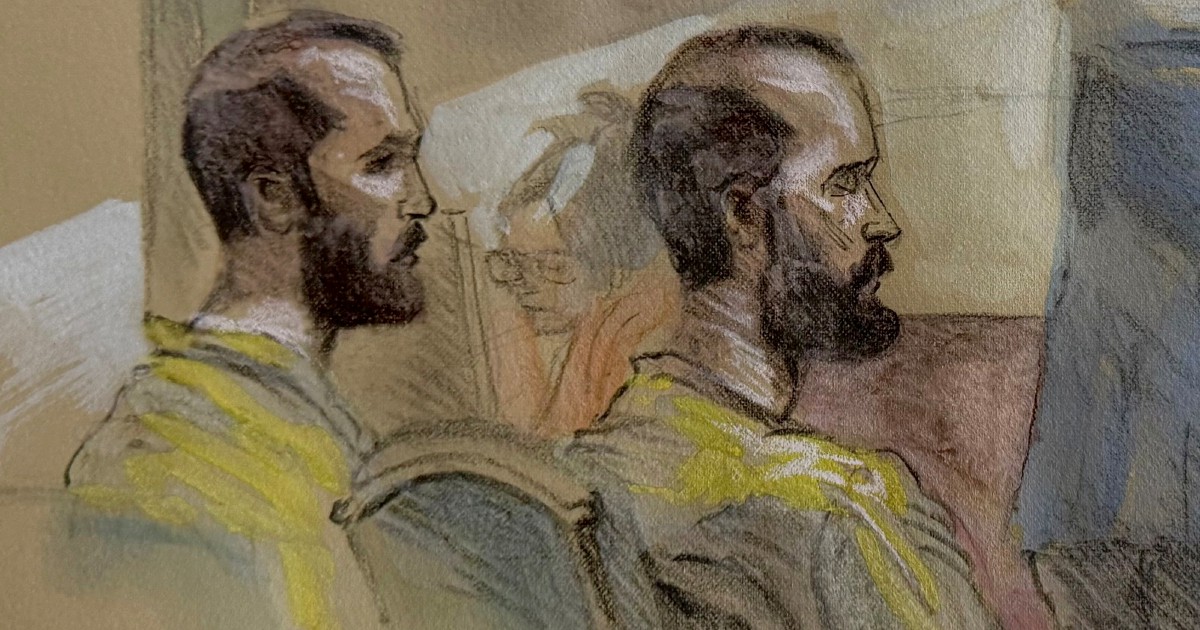
The Tate brothers, who built substantial followings as social media influencers, will remain in federal custody in Miami as legal proceedings continue over their potential extradition to Britain. During a Thursday hearing in Miami federal court, Magistrate Judge Lauren Louis postponed her decision on the brothers' bail application, effectively keeping them detained pending her formal ruling. This delay means the pair will continue serving time in federal custody rather than securing temporary release while their case progresses through the courts.
The decision to hold the brothers without immediate bail stems from extradition requests filed by British authorities. Both Andrew and Tristan Tate are wanted in the United Kingdom to face serious rape charges, making this case part of a broader international legal matter spanning multiple jurisdictions. The complications arising from cross-border criminal allegations have elevated the complexity of their detention status, requiring careful judicial consideration of bail eligibility and flight risk assessments.
Miami's federal court system has become the venue where these preliminary matters will be resolved before any determination regarding the brothers' transfer to British custody can proceed. Judge Louis's approach of postponing her ruling suggests she may require additional time to review submitted evidence, legal arguments, and relevant case precedents before making what could be a consequential decision affecting the brothers' immediate circumstances. The withholding of a prompt judgment reflects the weight and significance of the bail determination in this high-profile case.
The Tate brothers' situation carries broader implications for how international law enforcement coordinates across borders, particularly when dealing with prominent public figures. Their substantial social media presence has generated significant public attention, creating added scrutiny around the judicial process and the handling of international extradition matters. This visibility has made their case a subject of widespread discussion among both legal professionals and the general public monitoring proceedings.
The brothers' continued detention in federal custody represents a standard procedural outcome when extradition requests are pending and bail decisions remain unresolved. Federal authorities maintain custody of individuals facing international charges to prevent potential flight and to ensure their presence throughout legal proceedings. The uncertainty surrounding Judge Louis's timeline for issuing her bail decision means the brothers face an indefinite period of incarceration while awaiting clarity on their immediate status.
For Malaysian and Southeast Asian observers following this case, the proceedings highlight how international criminal justice systems coordinate to address allegations involving individuals with global reach. The influence wielded by social media personalities across different continents has created new dimensions for law enforcement and judicial authorities to navigate. Cases like this demonstrate the enforcement challenges arising when individuals with substantial online platforms face allegations in multiple countries.
The extradition process itself typically involves multiple stages of legal review before any individual is transferred between jurisdictions. Thursday's hearing represented an early procedural checkpoint rather than a final determination on the merits of the underlying allegations. Judge Louis's decision to withhold an immediate bail ruling suggests the court recognises the complexity inherent in managing high-profile international cases where detention decisions carry significant legal and public policy implications.
The federal jail system in Miami will continue housing both brothers as they await the magistrate's decision and subsequently face potential extradition hearings. Their legal representatives presumably presented arguments in support of bail during Thursday's proceedings, contending that release conditions could be imposed to address any flight concerns. However, the magistrate's hesitation in granting immediate bail indicates that such arguments may face substantial obstacles given the serious nature of the charges and the international dimensions of the case.
The delay in Judge Louis's ruling creates uncertainty not only for the brothers but also for the broader legal framework governing their case. British authorities awaiting the outcome of Miami's proceedings must continue their own preparations for potential extradition approval. This coordinated approach between US and British judicial systems exemplifies how modern international criminal justice operates, requiring patience and precise adherence to procedural requirements across different legal jurisdictions.
Observers expecting rapid developments in the Tate brothers' case should anticipate that judicial deliberation on bail matters may extend over an extended timeframe. The magistrate's decision to postpone her ruling suggests careful consideration of statutory requirements, precedent, and the specific circumstances presented by this particular extradition scenario. The federal court's schedule will ultimately determine when Judge Louis issues her formal decision, with the brothers remaining in custody throughout this waiting period.

