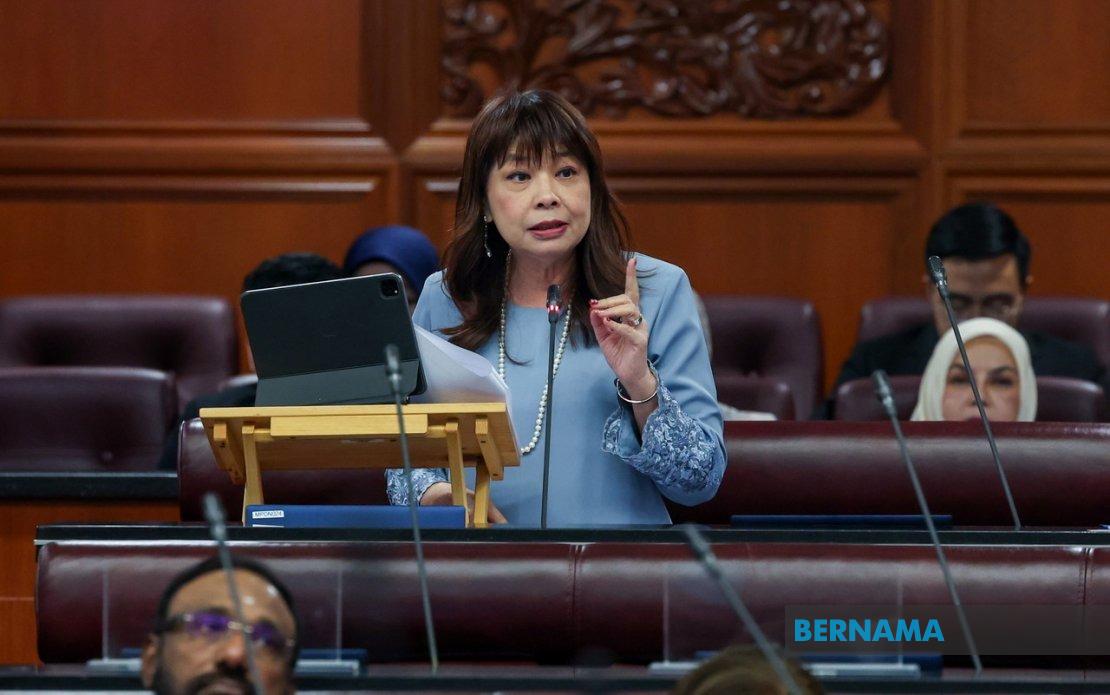
Malaysia's domestic violence support infrastructure continues to demonstrate substantial reach through the Talian Kasih 15999 hotline, which has processed nearly 9,400 cases related to abuse and violence within households over the past three years. Deputy Minister of Women, Family and Community Development Lim Hui Ying disclosed during parliamentary question time that the specialised service received 9,327 domestic violence calls between 2022 and May 2025, representing a significant volume of interventions that place Malaysia's response mechanisms on par with countries managing similar social challenges across the region.
These calls formed part of a broader service portfolio, with Talian Kasih handling 127,000 total complaints spanning various social and welfare matters during the same period. The distinction is important for understanding the scope of Malaysia's integrated hotline system, which serves as a triage point for multiple categories of vulnerability, from family disputes to child welfare concerns. The domestic violence subset, therefore, represents approximately seven percent of total call volume, suggesting both the scale of family-based violence as a discrete social problem and the multifaceted nature of welfare challenges confronting the nation's support systems.
Resolution rates appear encouraging at first examination. Lim stated that all domestic violence complaints lodged between 2022 and 2025 have been conclusively addressed. However, the more recent data reveals a slightly different picture: from January through May 2025, Talian Kasih received 470 calls, of which 406 were resolved and 64 remain under active investigation or intervention. This suggests an approximate 86 percent resolution rate within a five-month window, indicating that some cases require extended engagement and follow-up rather than immediate closure.
The intervention mechanisms available to caseworkers extend beyond simple referral or advice-giving. When domestic violence is reported, staff can facilitate applications for Emergency Protection Orders (EPO), which provide immediate legal safeguards, or Interim Protection Orders (IPO), which offer medium-term restraint against abusers. Additionally, the system coordinates placement in shelters for individuals facing imminent danger, creating a comprehensive protective ecosystem. These tools reflect Malaysia's legal framework for addressing family violence, though implementation effectiveness depends on coordination between social workers, law enforcement, and judicial systems.
An evolution in the nature of reported cases deserves particular attention. Lim noted that domestic violence is no longer predominantly a female experience, with male victims reporting abuse at increasing rates. While men remain a smaller proportion of total callers, the rising trend signals either greater willingness to disclose vulnerability or an actual increase in victimisation among men. This shift challenges traditional stereotypes about family violence and has implications for how support services market themselves and train personnel to respond sensitively to male callers who may feel shame or embarrassment about seeking help.
Malaysia's approach to victim protection reflects a commitment to addressing domestic violence across demographic lines. The ministry's stated position—that protection extends to all races and genders without prejudice—acknowledges both the universal nature of family abuse and the particular vulnerabilities of marginalised communities who may face compounded discrimination when seeking assistance. For instance, minority ethnic groups or undocumented migrants experiencing abuse may hesitate to contact authorities due to immigration fears, while LGBTQ+ individuals might doubt that mainstream services will treat them respectfully. Universal framing in policy statements does not automatically translate to culturally competent service delivery.
The Talian Kasih data should be contextualised within Malaysia's broader domestic violence landscape. Police statistics from recent years have consistently documented thousands of reports annually, suggesting that the 9,327 hotline calls represent a fraction of actual incidents. Underreporting remains endemic in family violence cases worldwide, driven by shame, financial dependence, and fear of escalation. Hotlines capture only those incidents where victims or observers proactively seek intervention, missing entirely the silent suffering within households where barriers to disclosure—language, literacy, access to phones, controlling partner behaviour—prevent contact.
Regional comparison provides useful perspective. Domestic violence service provision across Southeast Asia remains inconsistent, with some nations lacking dedicated hotlines or with severely limited resources. Malaysia's establishment of a 24-hour toll-free line specifically dedicated to family welfare matters represents infrastructural progress, though capacity and training quality vary significantly across regional operations. The 127,000 total calls annually suggest that awareness-raising efforts have succeeded in encouraging help-seeking behaviour, a necessary precondition for intervention.
The resolution of cases raises important definitional questions. What constitutes resolution in a domestic violence matter? Complete cessation of abuse and reconciliation, victim departure from the household, legal intervention through court orders, or simply closure of the file after information provision? These distinctions materially affect interpretation of the 100 percent resolution rate claimed for all historical cases. Genuine resolution requires sustained follow-up, not merely initial contact; some victims contact hotlines multiple times as situations evolve or re-escalate. Short-term file closure does not necessarily indicate long-term safety.
Moving forward, attention should focus on prevention and perpetrator accountability alongside victim support. Hotlines address immediate crises but cannot prevent first-time abuse through early intervention in relationships showing warning signs. Public education campaigns, school-based programmes teaching healthy relationships, and swift prosecution of abusers represent complementary strategies. Malaysia's continued reliance on victim-centred support, while necessary, should not overshadow the need for systematic approaches that address root causes and hold perpetrators accountable. The rising male victimisation figures also highlight the need for gender-balanced public messaging that encourages all abuse victims, regardless of gender, to seek help without shame.

