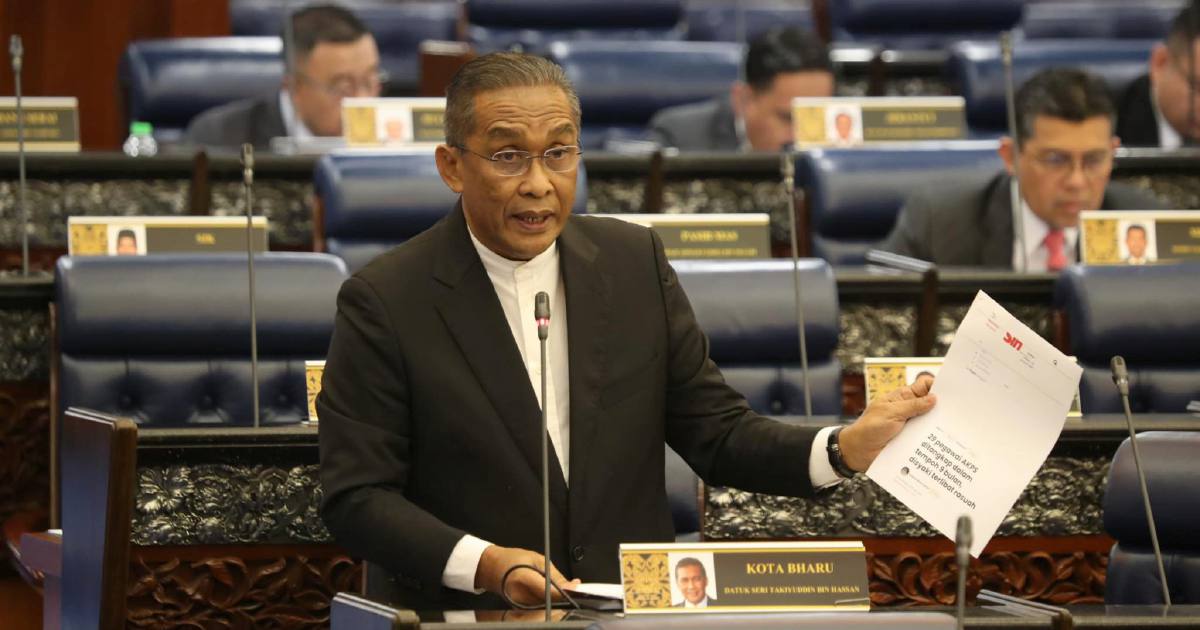
Opposition chief whip Datuk Seri Takiyuddin Hassan has called for the scheduled special sitting of the Dewan Rakyat to address the Royal Commission of Inquiry report on Tabung Haji to be deferred until Prime Minister Datuk Seri Anwar Ibrahim is back in Parliament. The request signals a significant procedural point in ongoing debates surrounding Malaysia's largest Islamic financial institution and the findings of its high-level inquiry.
The RCI investigation into Tabung Haji has drawn considerable attention across the nation, particularly among the institution's millions of contributors who depend on its services for their pilgrimage savings. The inquiry examined governance lapses and financial irregularities at the organisation, raising questions about how stakeholder funds have been managed over recent years. For many Malaysians, particularly Muslim families relying on the fund for Hajj arrangements, the report's contents carry direct personal significance and concern.
Takiyuddin's intervention highlights the parliamentary importance of having the Prime Minister present during such substantive debates on matters of national economic and social consequence. The chief whip's position reflects parliamentary convention that discussions of major inquiries and policy matters benefit from the presence and engagement of the nation's top executive. This procedural stance underscores the seriousness with which opposition leadership regards the Tabung Haji issue.
The timing of the RCI report's parliamentary discussion occurs amid broader parliamentary activity and political considerations. Anwar's absence from the chamber at the time of the scheduled debate prompted Takiyuddin's formal request for postponement. In parliamentary systems like Malaysia's, the presence of key figures—particularly the Prime Minister—often shapes both the substantive quality and political weight of major debates.
The Tabung Haji governance matter has attracted scrutiny from multiple stakeholders, including financial regulators, civil society groups, and the general public. The RCI's investigation represents an official attempt to document and address the institutional challenges identified within the fund. Public confidence in Tabung Haji remains crucial for Malaysia's social fabric, as millions of contributors depend on its stability and integrity for one of Islam's most important obligations.
Parliamentary postponements of this nature are not uncommon in Westminster-style legislatures, where scheduling flexibility allows for adjustments based on the availability of key figures. The request reflects a judgment that a substantive discussion of the RCI findings warrants the Prime Minister's participation and oversight. This suggests the opposition views the debate not merely as a procedural matter, but as one demanding the full attention of government leadership.
For Malaysian citizens and observers of parliamentary affairs, the Tabung Haji RCI debate represents an important opportunity for legislative scrutiny of institutional governance and financial management. The public disclosure of inquiry findings and their parliamentary examination serve transparency objectives and contribute to accountability mechanisms within the Malaysian system. Deferring the debate until the Prime Minister's return ensures that the discussion occurs under conditions where governmental responses and clarifications can be delivered at the highest level.
The RCI's scope and findings have implications extending beyond Tabung Haji itself. They may influence broader discussions about governance standards, financial regulation, and institutional accountability in Malaysia's public sector and statutory bodies. Religious and community leaders have also taken interest in the matter, reflecting the cultural and spiritual dimensions of Tabung Haji beyond its purely financial aspects.
Takiyuddin's procedural move also demonstrates how parliamentary mechanisms can be deployed to shape the timing and conditions of political discourse. By requesting postponement until the Prime Minister's return, the opposition chief whip ensures that when the debate proceeds, it will occur with maximum political significance and governmental engagement. This tactical consideration reflects the broader parliamentary dynamics surrounding the government's record and policy priorities.
The response from government leadership to Takiyuddin's request remains an open question with potential consequences for parliamentary scheduling and the broader political calendar. Acceptance of the postponement would demonstrate a willingness to accommodate opposition concerns about procedural propriety, while rejection could prompt political arguments about transparency and the necessity of senior governmental participation in consequential parliamentary debates.
As Malaysia continues grappling with questions of institutional governance and public trust, the parliamentary discussion of the Tabung Haji RCI report carries significance beyond legislative procedure. The debate will provide an opportunity for elected representatives to interrogate findings, propose remedial measures, and affirm public commitment to protecting the interests of millions of contributors. The manner in which this discussion unfolds—its timing, the level of governmental engagement, and the substantive issues raised—will contribute to the broader narrative of institutional accountability in Malaysia.

