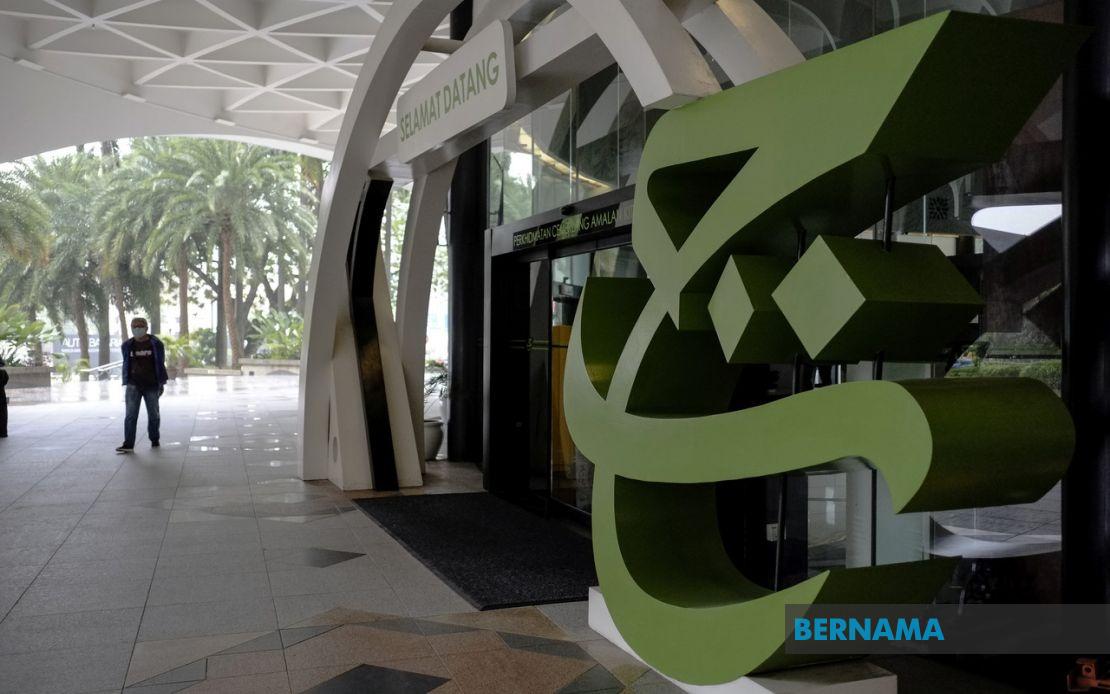
Tabung Haji's comprehensive recovery programme has successfully navigated the institution through a financial crisis that threatened one of Malaysia's most important institutions serving the Muslim community. According to findings released by the Royal Commission of Inquiry, the RM12.6 billion in investment losses that had accumulated have now been substantially addressed, marking a significant turning point for the troubled pilgrimage fund. The fully declassified report indicates that RM10 billion was resolved through the 2018 Recovery Plan, while the remaining RM2.6 billion was managed progressively until the end of 2025, demonstrating a structured approach to resolving years of accumulated financial strain.
The recovery's effectiveness becomes evident when examining the institution's recent operational performance. Investment income surged to RM4.64 billion in the previous year, representing the strongest showing since 2018 and signalling renewed confidence in the fund's management capabilities. These figures translate into tangible improvements for depositors, whose annual profit distributions have climbed from just 1.25 per cent in 2018 to 3.25 per cent in 2024 and 3.5 per cent in 2025. For millions of Malaysians who have entrusted their haj savings to Tabung Haji, these metrics provide reassurance that their contributions are being managed with greater discipline and accountability than during the troubled period that precipitated the inquiry.
Central to the recovery strategy was a controversial but apparently effective asset transfer mechanism. Underperforming assets valued at RM19.9 billion were transferred to Urusharta Jamaah Sdn Bhd, a government-created special purpose vehicle designed to isolate problematic holdings from the core business. This transfer price substantially exceeded the RM9.7 billion market valuation at the time, representing a RM10.2 billion premium financed through government-backed sukuk issuances. While the Royal Commission has validated this approach as instrumental in stabilising the institution, the mechanism highlights the intricate choreography required to restructure a major financial institution without triggering market panic or immediate depositor withdrawals. The fact that Tabung Haji has since begun repurchasing certain assets—acquiring Tun Razak Exchange land for RM270 million against an original transfer price of RM400 million, and the UJ Estates oil palm plantation for RM695 million versus RM800 million originally—suggests growing confidence in the institution's capacity to pick and choose investments based on merit rather than necessity.
Progress in implementing the commission's recommendations has been substantial but incomplete. Approximately 75 per cent of the RCI's suggested reforms have been executed, with government authorities indicating commitment to expediting the remaining quarter. These recommendations extend far beyond the immediate financial restructuring to encompass governance strengthening, investment discipline protocols, and comprehensive risk management frameworks. The government's stated intent to accelerate implementation suggests political acknowledgement that half-measures would ultimately fail to address the systemic weaknesses that produced the original crisis.
Yet the RCI has issued a cautionary note that warrants serious consideration from policymakers and depositors alike. The commission explicitly cautioned that the recovery plan should not be mistaken for a permanent solution, identifying several structural vulnerabilities that persist. The institution's long-term sustainability remains contingent upon continuous vigilance in areas including corporate governance reforms, a complete overhaul of the Tabung Haji Act 1995, enhanced risk controls, and the establishment of new regulatory architecture specifically designed to maintain institutional resilience. For Malaysian Muslims planning their haj journeys, these warnings suggest that while immediate financial stability has been achieved, the foundation supporting that stability requires reinforcement.
A particularly acute concern flagged by investigators involves the government's capacity to meet its financial obligations to the institution. The sustainability of the recovery depends significantly upon the government's ability to service the sukuk issued by the special purpose vehicle and to maintain the annual cash allocations that Cabinet has committed to providing. Should these obligations falter, Tabung Haji could find itself in the perplexing position of distributing profits to depositors without adequate cash reserves to support those distributions—recreating in a different form the circumstances that necessitated the original intervention. This interdependency between Tabung Haji's financial health and government fiscal performance underscores how the recovery, while real, remains vulnerable to macroeconomic pressures or political shifts in budgetary priorities.
The asset repurchase activity occurring since 2025 provides a preliminary indicator of the institution's reorientation toward investment discipline. Rather than passively accepting the assets transferred to the special purpose vehicle, Tabung Haji has selectively reacquired holdings where purchase prices had declined, suggesting a more rigorous evaluation framework now guides investment decisions. These transactions demonstrate that the institution is not merely stabilised but is beginning the process of rebuilding reserves with an eye toward long-term sustainability. The markdown on these repurchases also reflects realistic market valuations, suggesting that the distorted pricing that characterised earlier periods of mismanagement has been replaced by more objective assessment criteria.
For the broader Southeast Asian context, Tabung Haji's experience offers instructive lessons about institutional reform at scale. The fund manages resources belonging to millions of depositors and operates as a crucial infrastructure supporting one of Islam's most significant pillars—the hajj pilgrimage. Its near-collapse would have reverberated across the region's Muslim financial networks and potentially undermined confidence in Islamic financial instruments. The successful navigation of this recovery demonstrates that even severely compromised institutions can be stabilised through coordinated governmental action, transparent investigation, and systematic restructuring, provided that political will exists to sustain difficult decisions over extended periods.
Moving forward, the extent to which Tabung Haji can consolidate its recovery and build genuine long-term resilience depends upon completion of the outstanding governance and regulatory reforms. The gap between 75 per cent implementation and the remaining 25 per cent may seem small numerically, but in institutional reform, the final measures often address the most intractable structural problems. Specifically, the proposed modernisation of the governing legislation and the creation of enhanced regulatory frameworks represent the difference between temporary stabilisation and genuine transformation. Malaysian policymakers and Tabung Haji management must recognise that the institution's ultimate test will come not from repeating past performance metrics but from demonstrating capacity to maintain financial discipline and governance standards through inevitable future market cycles and economic pressures.

