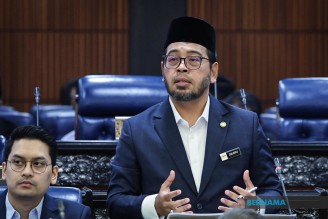
Tabung Haji's decision to invest in Putrajaya Perdana Bhd and position the fund's chairman in a parallel leadership role at the property developer has become a cautionary tale of institutional governance failure. The entanglement ultimately cost the pilgrimage fund RM145.3 million in losses and pulled Tabung Haji directly into the orbit of 1Malaysia Development Bhd's controversial transactions during the height of the 1MDB scandal. This connection was laid bare during a parliamentary briefing when Minister in the Prime Minister's Department (Religious Affairs) Dr Zulkifli Hasan presented findings from the Royal Commission of Inquiry report into Tabung Haji's mismanagement.
The Putrajaya Perdana investment represented one of fourteen problematic holdings identified in the comprehensive RCI probe, which documented losses totalling billions of ringgit across Tabung Haji's portfolio during the 2014 to 2020 period. What made this particular investment especially troubling was the structural overlap in leadership and the timing of the fund's exposure to 1MDB-related activities. The fact that Tabung Haji's top executive simultaneously served on 1MDB's board of directors created significant potential for conflicts of interest, raising fundamental questions about whose interests were being prioritised in these transactions.
Adding to the complexity, Tabung Haji purchased land at the Tun Razak Exchange from 1MDB when public controversy surrounding 1MDB was at its most intense. Dr Zulkifli's parliamentary statement highlighted the uncomfortable reality: when a single individual holds senior positions at both institutions, determining whether investment decisions genuinely serve the pilgrimage fund's interests or function to bail out troubled entities elsewhere becomes nearly impossible. This opacity in decision-making processes underscores a critical weakness in governance frameworks that allowed such dual roles to persist unchecked.
The Tabung Haji debacle extends far beyond the Putrajaya Perdana situation. The fund's involvement with FGV Holdings, initially celebrated as a major national corporate achievement when the initial public offering raised more than RM10 billion, subsequently deteriorated into a RM1 billion loss scenario. Rather than acknowledging the declining value of shares that plummeted by more than 80 per cent, Tabung Haji management altered its impairment policy in what Dr Zulkifli characterised as an attempt to obscure and conceal mounting losses from stakeholders and regulators.
This accounting manipulation demonstrates how poor governance extended beyond individual problematic investments to encompass systematic weaknesses in financial reporting and transparency. By changing how losses were recognised on the balance sheet rather than addressing the underlying deterioration in asset values, Tabung Haji's leadership created a misleading picture of the fund's financial health. Such practices erode public trust and suggest institutional cultures that prioritised appearance over substance during a critical period.
The implications for Malaysia's pilgrimage fund are particularly grave given Tabung Haji's role as a trusted custodian of savings accumulated by millions of Malaysian Muslim pilgrims. These funds represent personal sacrifices and long-term accumulations by ordinary citizens planning to perform the hajj. When institutional leadership allocates these resources to questionable investments or engages in opaque dealings with controversial entities, the breach of fiduciary duty extends beyond financial loss to encompass betrayal of public trust.
However, recent steps signal attempts at rehabilitation. Tabung Haji has begun purchasing back assets at revised valuations as its financial position strengthens. The fund repurchased TRX land it had sold to 1MDB in 2018 for RM400 million, acquiring it back at RM270 million based on current market assessment. Similarly, the fund recovered oil palm plantation assets from UJ Estates Holdings Sdn Bhd that it had previously divested for RM800 million, reacquiring them at RM695 million this year through a combination of cash and equity consideration.
These asset recovery efforts, while positive, cannot fully erase the losses incurred during the years of mismanagement. They do, however, suggest that current Tabung Haji leadership recognises the magnitude of past mistakes and is taking concrete steps toward remediation. For Malaysian investors and pilgrims, the critical question is whether these recovery actions represent genuine systemic reform or merely financial repositioning without substantive governance transformation.
The 211-page RCI report, released publicly in July after being presented to the King in August 2022, documented extensive weaknesses in institutional management and operational oversight. Beyond cataloguing failures, the report submitted 25 recommendations for improvement, with Tabung Haji implementing approximately 75 per cent of these proposals by the time of the public briefing. This implementation rate suggests at least some institutional responsiveness to the inquiry's findings, though sustained adherence to reform measures remains essential for genuine recovery.
For Malaysian readers and policymakers, the Tabung Haji saga carries broader implications beyond the affected fund. It illustrates vulnerabilities in corporate governance structures that permitted single individuals to occupy potentially conflicting leadership positions without adequate oversight mechanisms. It demonstrates how asset valuation practices can be manipulated to obscure financial realities. And it underscores the risks when institutional investments become entangled with controversial entities during periods of national controversy.
The government's establishment of the RCI in 2021, appointment of members in January 2022, and subsequent public release of findings represents a necessary accountability process. Yet the substantial losses already absorbed by Tabung Haji cannot be recovered through inquiry processes alone. The fund's future depends on whether the reform measures adopted actually transform institutional culture, strengthen governance frameworks, and restore the confidence of the millions of Malaysians who entrust their pilgrimage savings to its custodianship. The coming years will prove whether Tabung Haji has genuinely learned from one of Malaysia's most damaging institutional failures.

