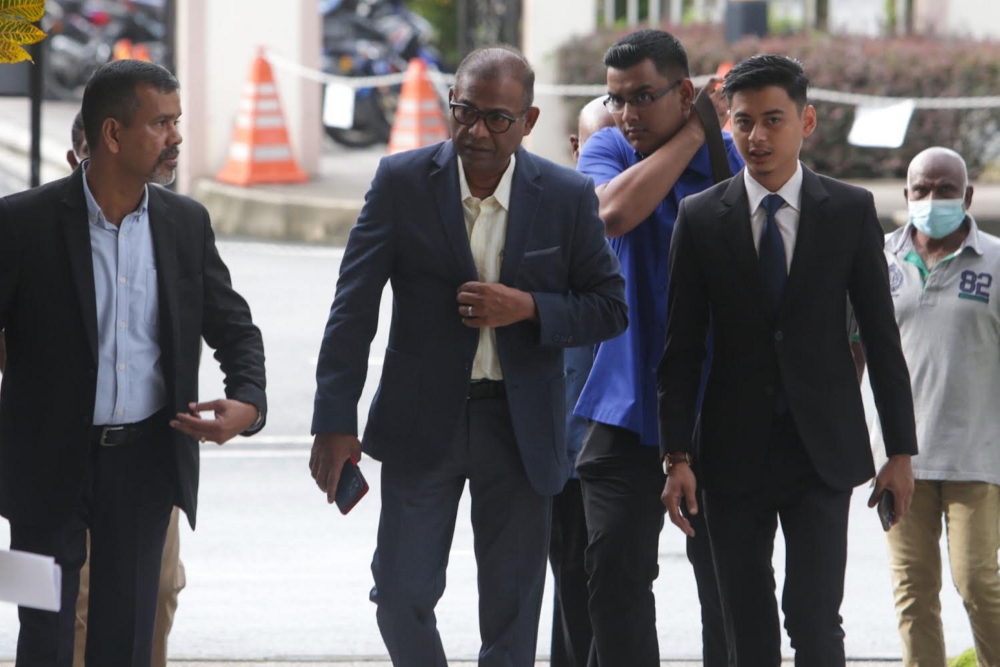
The family of former Baling Member of Parliament Datuk Seri Abdul Azeez Abdul Rahim has moved to quash spreading social media speculation linking them to ongoing investigations into Tabung Haji, insisting that no Malaysian Anti-Corruption Commission (MACC) enforcement action has been initiated against family members. The categorical denial comes as unverified claims circulated online suggested potential involvement in matters being examined through the Royal Commission of Inquiry into Tabung Haji, the hajj pilgrimage savings fund that has faced scrutiny over governance and financial management issues.
The former parliamentarian's son characterised the viral posts as unsubstantiated gossip, emphasising that his family has had no direct contact from authorities regarding such matters. The timing of the dismissal reflects broader concerns within political circles about the rapid spread of unverified claims through digital platforms, particularly those touching on sensitive issues like corruption investigations. The statement underscores the challenge families of public figures face when navigating allegations that gain traction online before being properly investigated or verified through official channels.
Tabung Haji itself has been under considerable scrutiny in recent years, facing questions about operational efficiency, investment decisions, and governance structures. The establishment of the Royal Commission of Inquiry represents a formal governmental response to longstanding public concerns about how the fund manages the savings of Muslim Malaysians who participate in the hajj pilgrimage scheme. Multiple governance issues have been documented, prompting calls for comprehensive institutional reform and enhanced oversight mechanisms to protect contributors' interests.
The RCI's mandate extends across various institutional practices and financial arrangements within Tabung Haji, examining historical decisions and current procedures. This broad investigative scope has naturally led to intense public interest whenever senior figures or their associates become linked to the inquiry, whether substantively or speculatively. The family's pre-emptive statement appears designed to prevent reputational damage from unfounded associations with investigations that could take months or years to conclude.
Social media's role in amplifying unverified claims about high-profile individuals and their families has become an increasingly significant aspect of Malaysian political discourse. False or misleading information can spread rapidly across platforms like WhatsApp, Facebook, and Twitter before fact-checking mechanisms or official denials can be effectively communicated. This dynamic creates particular challenges for individuals seeking to protect their reputations against allegations that gain viral currency through digital sharing networks.
The MACC, as Malaysia's primary anti-corruption enforcement body, typically conducts preliminary investigations before determining whether formal charges or arrests are warranted. The absence of any official announcement regarding investigations into the family members mentioned in the social media posts is consistent with the commission's standard practice of discretion during preliminary inquiry phases. Public confirmation of investigations generally occurs only when cases progress to more advanced stages or when warrants for arrest or search are executed.
Former parliamentarians remain figures of public interest in Malaysia, particularly regarding their conduct in office and post-parliamentary activities. Abdul Azeez Abdul Rahim represented Baling, a constituency in Kedah, during his parliamentary service, and former MPs often face heightened scrutiny regarding their business dealings and official conduct. The political economy surrounding Tabung Haji additionally means that any suggestion of impropriety affects not merely individual reputations but also public confidence in institutional management of collective national assets.
The RCI's investigations into Tabung Haji have already generated considerable public commentary and media coverage, with various stakeholders offering perspectives on institutional reform requirements. Contributing participants to the fund—numbering in the millions—have expressed interest in ensuring that their accumulated savings receive appropriate protection and that fiduciary responsibilities are properly discharged. The inquiry's findings are expected to inform future governance structures and potentially lead to legislative amendments strengthening oversight and accountability mechanisms.
The statement from Abdul Azeez's son illustrates how political families in Malaysia increasingly employ direct public communication to counter allegations emerging through informal channels. Rather than relying solely on official denials or legal advisors' statements, family members now frequently engage media representatives directly to shape narrative responses to damaging claims. This approach reflects adaptation to contemporary information environments where rapid public positioning can significantly influence reputational outcomes.
Looking forward, the RCI's eventual findings and any subsequent enforcement actions will provide clarity regarding institutional matters that remain opaque to the general public. Until such conclusions are formally announced, speculation regarding particular individuals' involvement in Tabung Haji governance issues is likely to persist, despite categorical family denials. The case underscores broader governance challenges Malaysia faces in managing large collective financial institutions and the transparency mechanisms required to maintain public trust in fund management and institutional leadership.

