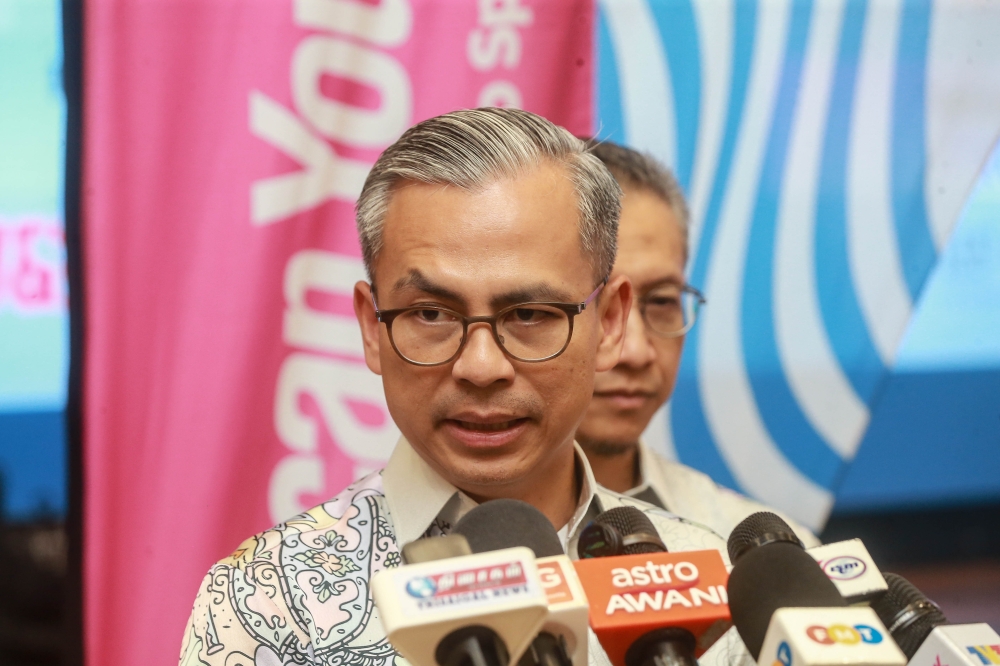
The Malaysian government has escalated its response to findings of misconduct at Lembaga Tabung Haji by distributing the Royal Commission of Inquiry report to multiple enforcement and regulatory agencies for coordinated investigation. Communications Minister Fahmi Fadzil announced that the document would be transmitted to the Royal Malaysia Police, Malaysian Anti-Corruption Commission, Bank Negara Malaysia, and the Inland Revenue Board to enable each body to pursue its respective mandate in examining the allegations and determining appropriate action.
This multi-agency approach signals the seriousness with which the government is treating the RCI's conclusions, which have raised significant questions about governance and financial management at the Islamic pilgrimage savings institution. By involving the police, the MACC, the central bank regulator, and the tax authority simultaneously, officials aim to ensure that criminal misconduct, regulatory breaches, administrative failings, and potential tax irregularities are all thoroughly examined without overlap or jurisdictional gaps.
The decision to refer the matter across such a broad spectrum of authorities underscores the complex nature of the issues uncovered. Tabung Haji, which manages savings and investment funds for millions of Malaysian Muslims preparing for their hajj pilgrimage, operates at the intersection of financial regulation, religious trust, and public administration. Alleged failures in any of these domains could have consequences stretching across multiple legal and institutional frameworks.
For Malaysian pilgrims and their families, the referral represents both accountability and uncertainty. Tabung Haji holds billions of ringgit in accumulated savings on behalf of account holders who have contributed regularly, often over many years, with the expectation that their funds would be safeguarded. The RCI's findings suggesting governance lapses or mismanagement have naturally alarmed account holders concerned about the security and returns on their money. The involvement of Bank Negara as a regulator may prove particularly significant, given its supervisory authority over financial institutions and investment practices.
The MACC's engagement introduces the possibility of corruption charges if the inquiry uncovered evidence of personal enrichment, abuse of position, or misappropriation of funds by officials or board members. The police investigation, meanwhile, may pursue broader criminal matters including fraud, breach of trust, or other offences. The Inland Revenue Board's involvement suggests questions about tax compliance and potential financial irregularities that might have tax implications, either in terms of undeclared income or improper deductions.
This referral process reflects growing pressure on the government to demonstrate zero tolerance for institutional failure, particularly when public trust and religious sentiment are involved. The hajj is a fundamental Islamic obligation, and Tabung Haji is widely regarded as a sacred trust. Any perception that the institution has failed in its duty to protect pilgrims' savings risks damaging public confidence in other government-linked institutions and eroding faith in financial management more broadly.
The timeline for these investigations remains unclear, and the referral does not automatically guarantee prosecutions or substantial penalties. Each agency will need to conduct its own inquiry, gather evidence, consult legal advisers, and determine whether the threshold for action has been met. The police may conclude that criminal cases warrant prosecution; the MACC may pursue its own enforcement powers; Bank Negara may impose regulatory sanctions or require remedial measures; and the tax authority may assess additional liabilities. These processes could unfold over months or years.
From a regional perspective, Malaysia's handling of the Tabung Haji matter carries implications for investor and depositor confidence across Southeast Asia. Other countries in the region also operate Islamic financial institutions and hajj savings schemes, and their regulators will be monitoring how Malaysia addresses systemic weaknesses. A robust, transparent investigation could reinforce confidence in Malaysian financial oversight, while a perception of weak follow-through might raise questions about regulatory capacity and political will.
The RCI process itself represents a significant investigative effort, and the government's decision to treat its findings seriously through multi-agency referral demonstrates institutional responsiveness. However, the real test will lie in whether the investigations translate into concrete remedial action, restoration of confidence, and protection of pilgrims' interests going forward. Account holders and the broader Malaysian public will be watching closely as these agencies pursue their respective investigations to determine what went wrong and how the system will be strengthened.

