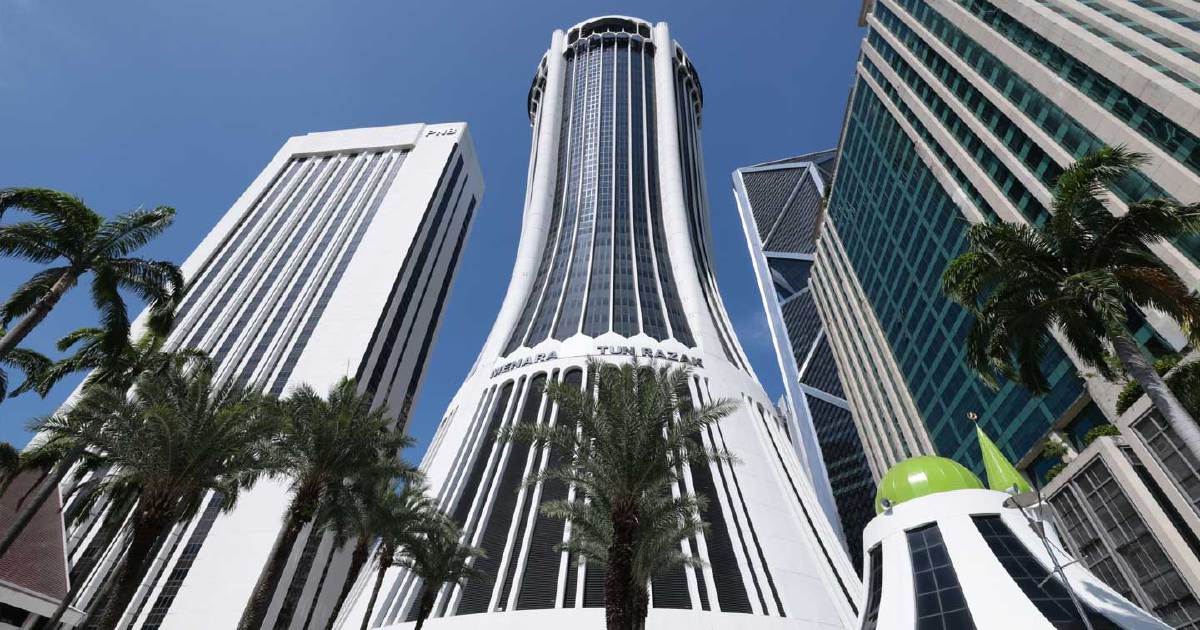
The long-awaited findings of the Royal Commission of Inquiry examining Tabung Haji's operations could reach the public within days, according to Prime Minister Datuk Seri Anwar Ibrahim, who suggested the report might be unveiled immediately if no additional Cabinet review is required. Speaking on the anticipated release timeline, the Prime Minister indicated that should the administrative clearance process be bypassed, the document could be made available as soon as today, with Wednesday serving as the absolute latest point for public disclosure.
Tabung Haji, Malaysia's pilgrimage fund and one of the country's largest investment vehicles serving over 1.7 million members, has faced mounting scrutiny over the past year regarding its financial stewardship and governance frameworks. The RCI was established to conduct a comprehensive examination of the institution's management practices, investment decisions, and internal controls, following concerns raised by members and watchdog organisations about the fund's transparency and operational integrity.
The timing of the report's release carries significance not merely for administrative reasons but reflects broader questions about accountability within Malaysia's faith-based financial institutions. Tabung Haji's investments span property development, equities, and venture capital, positioning it as a consequential player in the Malaysian capital markets and making governance lapses particularly consequential for retail investors who depend on the fund for their religious obligations and long-term savings.
Prime Minister Anwar's statement suggests that Cabinet involvement in the report's dissemination remains under consideration, a procedural matter that could indicate the severity of findings or recommendations contained within the inquiry's conclusions. Should Cabinet approval prove necessary, the additional layer of governmental review would extend the timeline, pushing release to Wednesday at the earliest. The distinction between immediate publication and Cabinet-conditional release reflects different governance protocols and the political weight that officials attach to the commission's recommendations.
For Malaysian investors and Tabung Haji members, the imminent disclosure promises clarity on longstanding governance concerns that have circulated within financial and religious circles. The inquiry examined operational decisions spanning several years, and members have expressed particular interest in understanding the fund's exposure to underperforming assets and the adequacy of internal oversight mechanisms. Transparency regarding these matters affects confidence in the institution's stewardship of savings intended for the pilgrimage and related religious purposes.
The RCI's scope encompassed Tabung Haji's corporate governance structures, the conduct of senior management, and the effectiveness of the board's oversight responsibilities. Industry observers anticipate that recommendations may encompass structural reforms, enhanced disclosure requirements, and revised investment protocols designed to strengthen safeguards for members' capital. Such measures would align with international standards for institutional fund management and address recurring concerns about independent auditing and stakeholder representation.
The inquiry's conclusion comes amid evolving conversations about financial regulation and institutional accountability across Southeast Asia's rapidly developing investment landscape. Malaysia, as a regional financial hub, faces particular expectations regarding the governance standards applied to large investment vehicles, especially those serving retail populations with limited alternative savings mechanisms. The Tabung Haji investigation consequently carries implications extending beyond individual fund management, potentially influencing regulatory approaches to similar institutions across the region.
Market analysts have noted that preliminary discussions surrounding the report have already influenced perceptions of Tabung Haji among institutional investors and financial planners. Delayed disclosure, extended speculation, and unclear timelines can compound reputational challenges facing the fund, making prompt and transparent communication strategically important for restoring member confidence. The Prime Minister's indication of imminent release suggests governmental awareness of these dynamics and a commitment to moving forward with the accountability process.
For Tabung Haji's management and the board, the report's findings will likely inform a substantive reform agenda. Recommendations emerging from the inquiry may necessitate personnel changes, policy revisions, and cultural shifts within the institution's decision-making structures. The adequacy of the management response to the RCI's conclusions will substantially determine whether the inquiry catalyses meaningful improvement or becomes merely another institutional review with limited practical consequences.
The week ahead holds particular importance for Malaysian financial governance, with the Tabung Haji RCI report poised to provide clarity on questions that have persisted for months. Whether released today or by Wednesday, the document will enter public discourse at a moment when member confidence and institutional legitimacy remain paramount considerations. The transparency surrounding this process and the substantive quality of findings will shape how stakeholders assess the effectiveness of Malaysia's governance mechanisms for managing large public investment vehicles.

