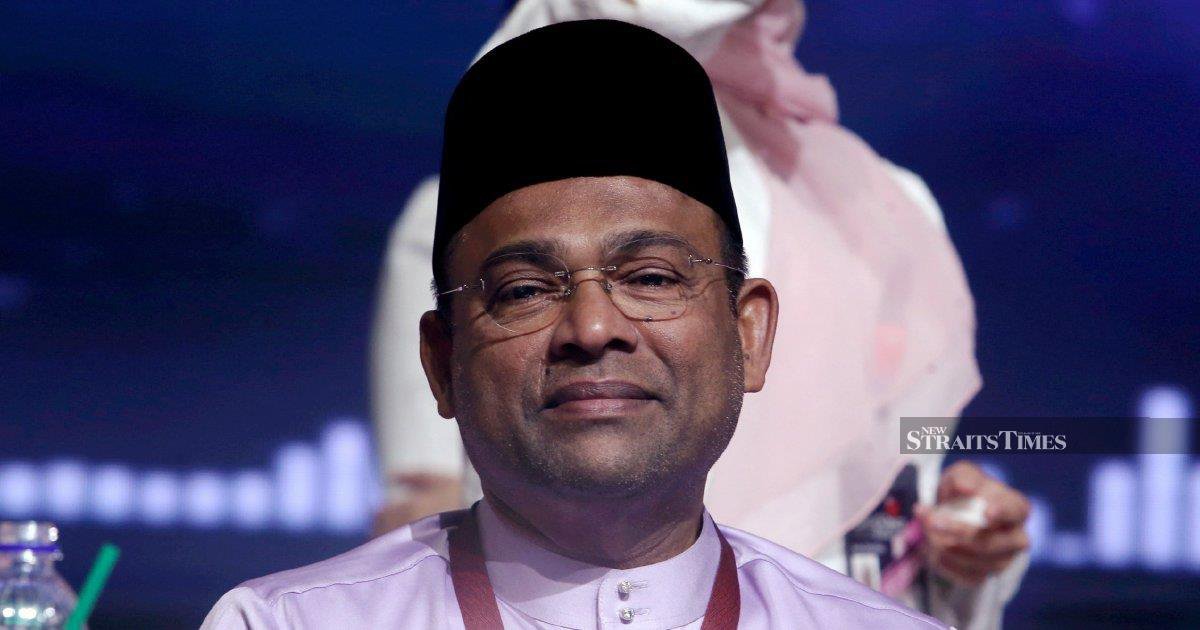
Datuk Seri Abdul Azeez Abdul Rahim, the former chairman of Tabung Haji, has deflected renewed political pressure by asserting that his name does not appear in the Royal Commission of Inquiry report into the Islamic pilgrimage fund, thereby challenging the premise of Bersatu's recent call for him to clarify his engagement with the Malaysian Anti-Corruption Commission. The statement represents a calculated move by the ex-board head to distance himself from what has become an increasingly fraught episode for Malaysia's hajj savings institution, which has faced sustained scrutiny over governance and financial management.
The RCI investigation into Tabung Haji concluded with a comprehensive examination of how the organisation managed billions of ringgit in pilgrim savings, including investments that resulted in substantial losses. The inquiry examined governance structures, decision-making processes, and accountability mechanisms within the fund during a period marked by market volatility and strategic missteps. Rather than naming specific individuals for alleged wrongdoing, Azeez's interpretation suggests the report focused on systemic and institutional failures rather than personal culpability, though this characterisation warrants closer scrutiny given the scope of investigations typically conducted by such commissions.
Bersatu's intervention in the matter reflects broader political dynamics surrounding Tabung Haji, a national institution that holds deep cultural significance for Malaysia's Muslim-majority population. The party's insistence that Azeez publicly acknowledge any MACC contact appears motivated by a desire to either implicate him in alleged impropriety or, conversely, to demonstrate due process and transparency in how authorities are handling the case. This political chess-playing around a serious matter of public trust underscores how Malaysia's governance challenges are frequently weaponised for partisan advantage, even when institutions like the MACC should ideally operate free from political interference.
The MACC's involvement in the Tabung Haji matter represents part of a broader effort to examine whether criminal conduct occurred during the period examined by the RCI. Anti-corruption investigations typically follow commission inquiries when documentary evidence or testimonial accounts suggest potential breaches of the law. However, the MACC does not routinely disclose details of ongoing investigations or confirm whom it has interviewed, maintaining confidentiality to protect investigative integrity and the legal rights of those under examination. This institutional protocol conflicts with political demands for public clarity, creating tension between transparency and investigative efficacy.
Tabung Haji's travails began years ago when a series of ill-timed investments and market downturns eroded the fund's asset base. The institution invested heavily in equities and property during periods of market strength, only to face significant losses as circumstances shifted. Between 2013 and 2016, the fund experienced particularly acute difficulties, raising questions among stakeholders about investment strategy, risk management, and governance oversight. These problems prompted calls for investigations, eventually leading to the establishment of the RCI to examine what went wrong and identify lessons for institutional reform.
The structure of the RCI process typically involves examining documentary records, taking sworn testimony from past and current officials, and consulting expert witnesses on technical matters. While such inquiries have considerable investigative power, they operate within civil rather than criminal frameworks, meaning their findings do not directly constitute charges or convictions. Instead, RCI reports often recommend further investigation by law enforcement or prosecutorial authorities when evidence suggests criminal conduct. The relationship between Azeez's RCI appearance and potential MACC inquiries therefore remains an important procedural matter, even if he claims the report itself does not name him.
For Malaysian investors and pilgrims who have deposited funds with Tabung Haji, the ongoing investigations carry immense personal significance. Many ordinary Malaysians depend on the institution to safeguard and grow their savings specifically for the hajj pilgrimage, one of Islam's five pillars. When institutional mismanagement threatens those savings, it affects not merely financial portfolios but deeply held religious aspirations. This reality elevates the Tabung Haji matter beyond typical corporate governance failures into a question of how the state manages a sacred trust.
The timing of Bersatu's public intervention during what appears to be an active investigation raises questions about whether political actors should be commentating on matters under investigation by authorities. While no Malaysian law formally prohibits such commentary, there exists an arguable principle that certain matters deserving serious and impartial examination warrant respite from partisan politicking. Bersatu's actions might be characterised as either legitimate public interest scrutiny or inappropriate interference, depending on one's perspective on institutional independence and political accountability.
Azeez's assertion that the RCI report does not mention his name, even if factually accurate, does not necessarily resolve questions about his tenure as chairman or his knowledge of investment decisions that later proved problematic. The absence of explicit naming does not eliminate the possibility of personal responsibility for institutional failures, particularly given senior leadership roles typically carry fiduciary duties and oversight obligations. This distinction between appearing in a formal report and bearing substantive accountability remains conceptually and legally significant.
Moving forward, Tabung Haji faces the dual challenge of rehabilitating itself as a trustworthy financial institution while remaining subject to investigative processes that may require years to conclude. Stakeholders including potential pilgrims, current contributors, and religious authorities all have interests in understanding what transpired and ensuring adequate safeguards exist against similar problems recurring. Whether the MACC investigation concludes that criminal conduct occurred will significantly shape public perception of institutional integrity and individual accountability. Until those processes conclude, statements like Azeez's will likely remain contested by those seeking fuller transparency and comprehensive answers about the fund's troubled history.

