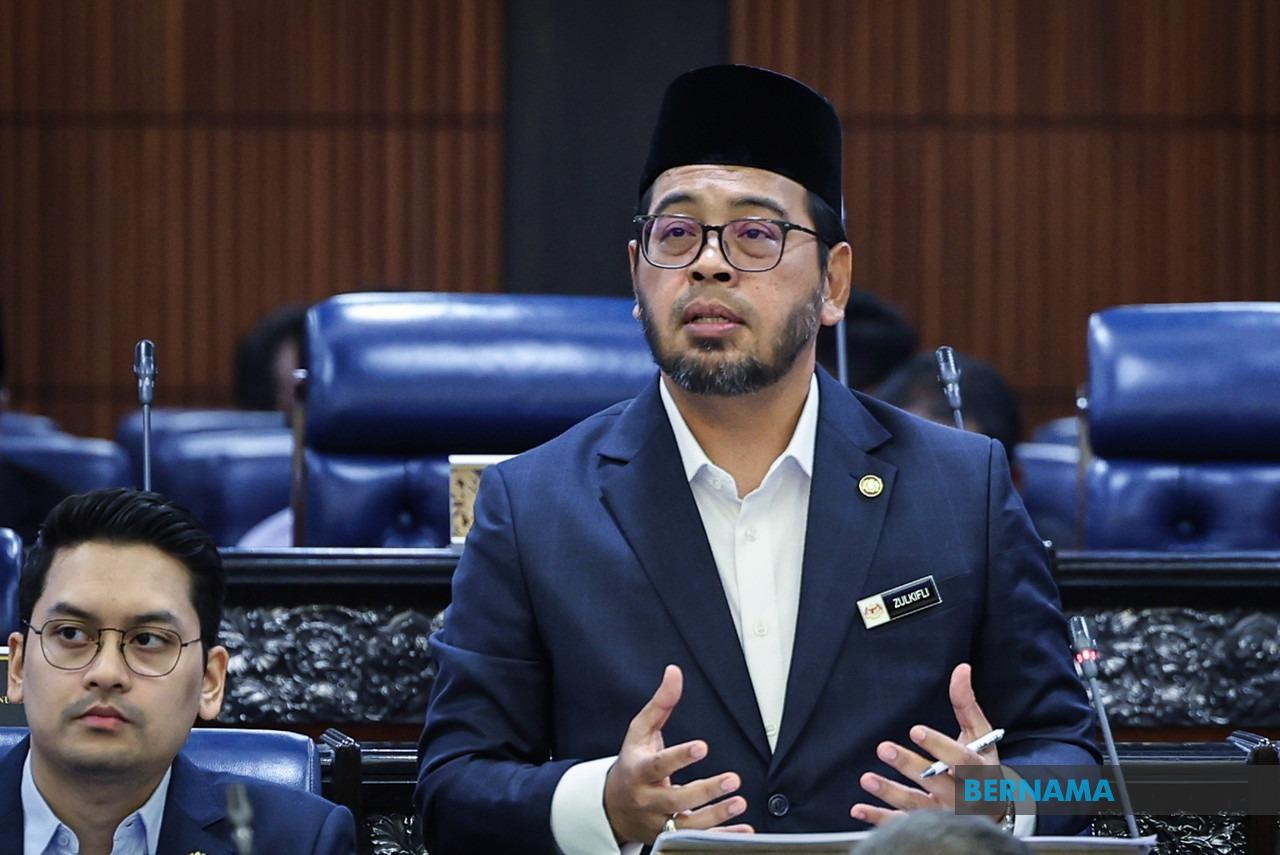
Malaysia's pilgrimage fund, Tabung Haji, has successfully navigated a transformative period following implementation of sweeping reforms that began in 2018, Minister in the Prime Minister's Department (Religious Affairs) Dr Zulkifli Hasan told parliament this week. Speaking during a briefing on the Royal Commission of Inquiry report examining TH's financial recovery, Zulkifli outlined how a nine-pillar reform strategy has positioned the institution on more sustainable footing after years of managing challenging circumstances.
The recovery roadmap pursued by TH's leadership addressed fundamental weaknesses across its operations. Beyond simply restoring the institution's depleted financial reserves, the reforms tackled the underlying governance structures that had contributed to its difficulties. Zulkifli identified nine strategic priorities guiding the transformation: stabilising TH's accounts, tightening oversight and transparency mechanisms, upgrading the quality and consistency of investment decisions, guaranteeing reliable returns for depositors, maintaining accessibility to the haj for ordinary Malaysian Muslims, protecting the interests of savers, delivering world-class operational standards, establishing genuinely professional management insulated from political pressure, and constructing an Islamic institution robust enough to endure for generations.
The financial restructuring has proved particularly consequential. Through careful reordering of assets and obligations, TH has reversed the trajectory that saw it requiring government intervention and scrutiny from a royal commission. Zulkifli emphasised that these changes have yielded tangible results, though he noted the scale of external pressures the institution faced. The global inflationary environment, currency fluctuations affecting international travel, and rising accommodation costs throughout the Middle East all created headwinds that TH had to navigate while maintaining its core mission.
Perhaps the most visible achievement for Malaysian Muslims has been the stabilisation of haj costs. The government kept the price for the pilgrimage at RM33,300 across three consecutive seasons running from 2024 through 2026, a remarkable feat given the macroeconomic conditions. When financial assistance for haj travel first launched in 2001, the cost baseline was substantially lower, but inflation measured at 250 per cent across the two decades between that initial year and 2023 created enormous pressure on pricing. Rather than passing these mounting expenses directly to pilgrims, TH's management pursued targeted cost control strategies that delivered meaningful savings.
These operational savings emerged through deliberate procurement decisions. The institution negotiated extended airline contracts that locked in air travel rates, insulating pilgrims from the volatile pricing that characterises the aviation industry during peak demand periods. Simultaneously, TH engaged in direct negotiations with hotel proprietors in the holy cities, bypassing intermediary agents and securing improved facilities at reduced rates. These arrangements supplied pilgrims with superior accommodation standards compared to previous years despite the pressure to reduce outlays. The approach demonstrated that institutional reform could yield benefits extending beyond financial statements to the actual experiences of Malaysian Muslims performing one of Islam's central obligations.
Governance improvements have translated directly into enhanced service delivery and haj administration. TH recently received the Labaytum Diamond Award, the highest honour in its annual recognition programme, for the second consecutive year. This represents the fifth Labaytum award spanning the institution's recent history, indicating a consistent upward trend in service standards assessed against international benchmarks. The awards reflect TH's transformation from an institution struggling with management and accountability challenges to one that meets world-class performance criteria for hajj management and pilgrim welfare.
Underlying this operational success has been a decisive shift in institutional leadership philosophy. TH has prioritised recruiting and empowering professional managers selected on merit and expertise rather than through political patronage. Critically, these leaders have operated with protection from inappropriate political interference, allowing them to execute strategic decisions based on institutional benefit rather than external pressure. This professional autonomy stands as a notable development for a Malaysian religious institution historically vulnerable to political influence. The separation of professional management from political direction has enabled longer-term planning and consistency in implementing reforms that might face resistance if subject to shifting political winds.
The broader context for TH's recovery programme matters considerably for Malaysian readers. The institution serves millions of Muslim depositors who have entrusted it with savings specifically earmarked for haj—one of Islam's five pillars and a deeply personal religious objective. When TH faced severe financial distress, documented through the royal commission process, it threatened not merely institutional credibility but also Malaysians' ability to fulfil a core religious obligation. The restoration programme therefore carried weight beyond typical corporate restructuring, touching upon matters of faith and national religious stewardship that resonate across Malaysia's Muslim-majority population.
The Malaysian experience with TH's recovery also offers lessons relevant across Southeast Asia's Muslim-majority nations. Many countries in the region operate similar institutions managing billions in pilgrim-dedicated savings, and several have experienced comparable governance and financial management challenges. The visible success of systematic reform—combining financial restructuring, governance tightening, professional leadership, and strategic cost management—demonstrates a replicable pathway for other jurisdictions seeking to modernise religious financial institutions while preserving their foundational missions.
For depositors, the stability achieved through these reforms provides greater confidence in an institution that remains integral to Muslim family financial planning in Malaysia. With haj costs held steady despite inflationary pressures, with governance structures demonstrating measurable improvement through external recognition, and with professional leadership pursuing long-term sustainability rather than short-term expediency, TH appears to have successfully traversed its most dangerous period. The coming years will test whether these reforms prove durable and whether the institution can continue meeting the evolving expectations of Malaysia's depositors and pilgrims.

