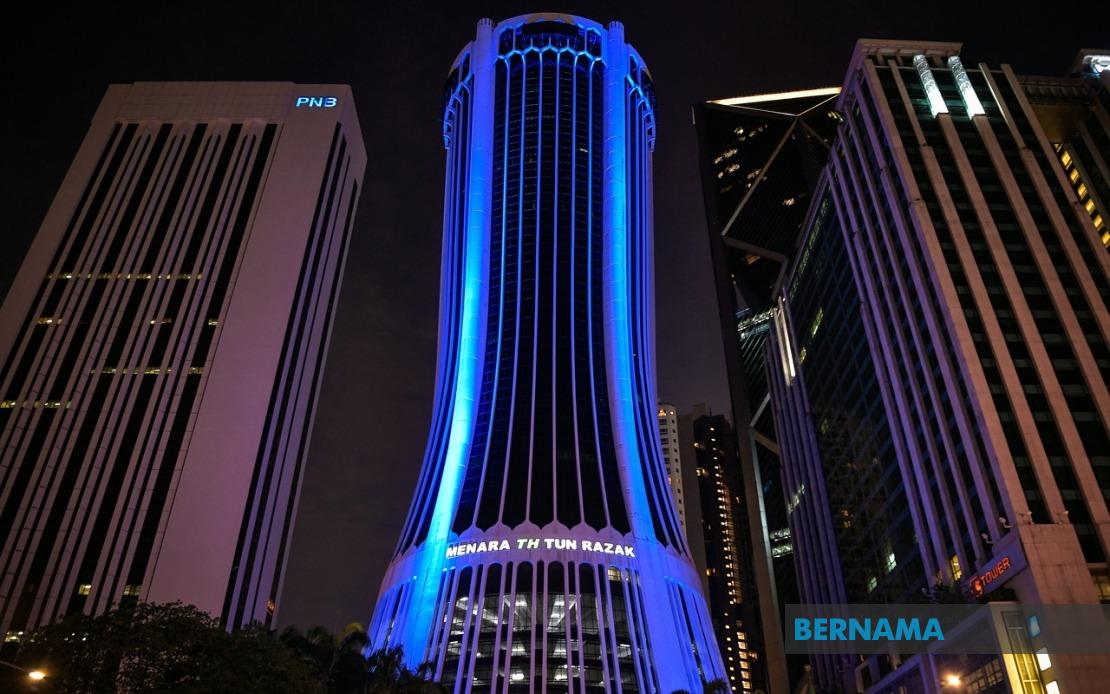
The need for Tabung Haji to fundamentally transform how it communicates with the public has become increasingly urgent as the institution grapples with the fallout from governance weaknesses documented in a comprehensive Royal Commission of Inquiry report released in July. Institutional experts argue that without a strategic overhaul of its outreach efforts and clear implementation of reform recommendations, the hajj savings body risks further erosion of trust among its millions of depositors, many of whom belong to younger demographic cohorts unfamiliar with traditional institutional communication channels.
Dr Mohd Kamarul Amree Mohd Sarkam, a senior lecturer at the Academy of Islamic Defence Studies within Universiti Pertahanan Nasional Malaysia, contends that Tabung Haji's path to rebuilding credibility depends critically on leveraging digital platforms to maintain consistent, transparent dialogue with its stakeholders. He emphasises that given the demographic composition of the institution's depositor base—predominantly millennials and Generation Z individuals who inhabit digital spaces—any communication strategy must prioritise social media channels and online engagement mechanisms rather than relying on conventional announcements or periodic reports.
The governance challenges identified in the Royal Commission inquiry, which examined the institution's operations between 2014 and 2020, span multiple dimensions of institutional management from financial controls to decision-making processes. The report's 25 recommendations represent a comprehensive roadmap for transformation, yet their implementation remains incomplete. Dr Mohd Kamarul Amree suggests that Tabung Haji demonstrate tangible commitment to addressing these identified weaknesses through sustained, evidence-based communication that details specific reform measures and their impact on institutional operations.
Beyond digital communication infrastructure, experts propose more fundamental structural changes to Tabung Haji's governance architecture. The appointment of management personnel should prioritise technical expertise and professional credentials over political considerations, according to Dr Mohd Kamarul Amree, who argues that insulating the institution from partisan influences would significantly enhance public perception of objectivity and professional competence. This approach aligns with broader government initiatives to strengthen institutional integrity and combat corruption across the public sector.
The institutional framework governing Tabung Haji, established through the TH Act, requires legislative amendments to incorporate the inquiry commission's recommendations, Dr Mohd Kamarul Amree indicates. Additionally, oversight of the organisation's financial operations should fall under the purview of the Minister of Finance, creating clearer lines of accountability and reducing the scope for discretionary decision-making removed from broader fiscal governance frameworks. Such structural modifications would signal a decisive break from the management patterns that gave rise to the institutional vulnerabilities documented in the inquiry.
Dr Mohd Afzanizam Abdul Rashid, chief economist at Bank Muamalat Malaysia, identifies a parallel challenge that extends beyond institutional reforms themselves: the management of public perception and information about Tabung Haji's actual financial condition. He notes widespread confusion regarding the timeline of the Royal Commission report—which was completed in 2022 but only made public in July of this year—and emphasises that such ambiguity, whether intentional or not, creates opportunities for misinformation to circulate unchecked. This represents a distinct category of reputational risk separate from the underlying governance issues.
To counter misinformation and proactively rebuild depositor confidence, Dr Afzanizam proposes that Tabung Haji implement a programme of direct engagement with communities across districts through town hall meetings and similar forums. These sessions would provide platform for detailed explanation of the institution's financial position, clarification of reform initiatives, and opportunity for depositors to voice concerns directly to senior management. Such face-to-face engagement complements digital communication efforts and addresses the particular information needs of older depositors less active on social media platforms.
The Royal Commission inquiry documented various management and governance inadequacies spanning several years, findings that triggered a parliamentary debate following the report's tabling in the Dewan Rakyat. This public parliamentary discussion, while necessary for democratic oversight, also amplified awareness of institutional problems among the broader public. The challenge facing Tabung Haji's leadership involves not merely controlling narrative damage but actively demonstrating that the institution has absorbed the inquiry's lessons and is implementing substantive reforms.
For Malaysian depositors and the hajj savings ecosystem more broadly, the implications of Tabung Haji's institutional trajectory extend beyond financial considerations. The organisation occupies a significant cultural and religious role within Malaysian Islamic finance, and its governance practices set precedent for other Islamic financial institutions. The emphasis placed by experts on appointing competent, non-partisan management reflects broader concerns about professionalism and institutional integrity across the Islamic finance sector in Malaysia.
The tension between political oversight and professional management, which surfaces in expert recommendations for Tabung Haji's governance, reflects deeper questions about institutional autonomy and accountability within Malaysia's public sector. Ensuring that professional management operates within clear financial oversight frameworks, while preventing purely political appointment of senior executives, requires careful calibration of governance structures. This balancing act holds lessons for other government-linked organisations facing similar tensions.
Implementation of the Royal Commission recommendations represents the immediate priority, yet experts suggest that reform without accompanying communication strategy will yield limited dividends in restoring public confidence. The depositors who depend on Tabung Haji for hajj savings accumulation and pilgrimage financing require sustained reassurance that their interests receive priority in institutional decision-making and that governance structures prevent repetition of documented weaknesses. Achieving this confidence requires simultaneous progress on multiple fronts: structural reform, transparent communication, and visible leadership commitment to the inquiry's vision.

