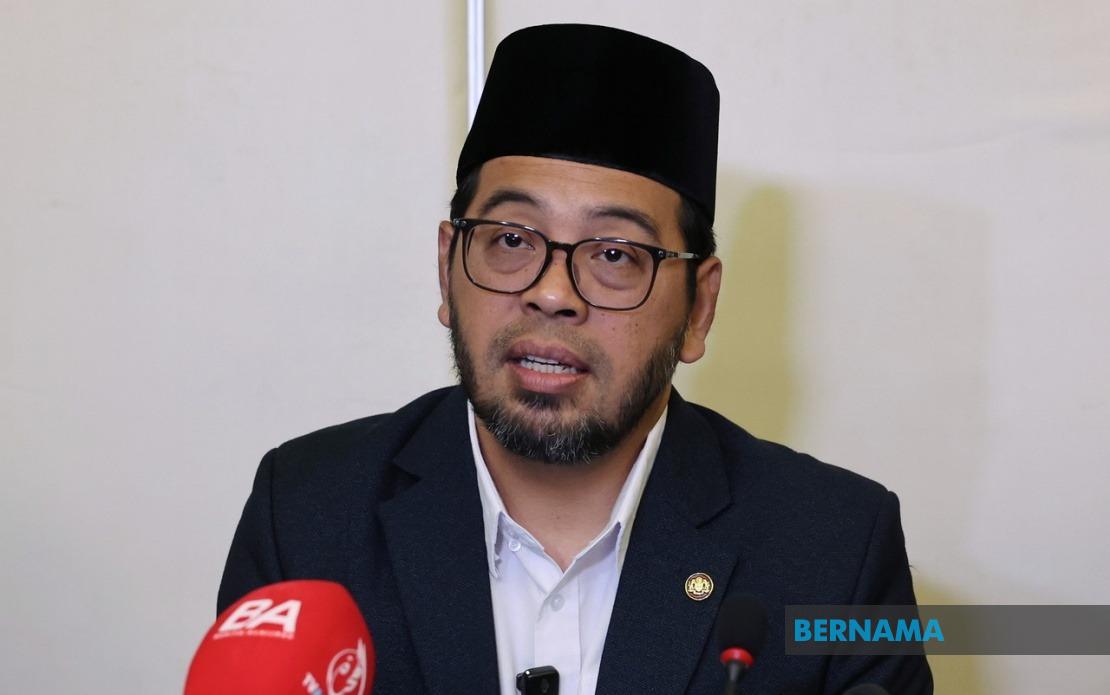
Tabung Haji, the pilgrimage fund managing savings from millions of ordinary Malaysians, has emerged from a period of institutional crisis into significantly improved financial health, according to Religious Affairs Minister Dr Zulkifli Hasan. Speaking during a special parliamentary sitting to debate a Royal Commission of Inquiry report into the organisation, Zulkifli highlighted the fund's recovery trajectory since the MADANI government assumed office in late 2022, when the institution faced substantial legacy problems accumulated over preceding years.
The turnaround underscores the sensitivity surrounding Tabung Haji's operations in Malaysia. The fund holds the accumulated pilgrim savings of ordinary Malaysians—parents setting aside money for children's future Haj, teachers, small traders, retirees, farmers, fishermen, rubber tappers and taxi drivers whose contributions represent not merely investment hopes but spiritual aspirations. This explains the gravity with which the government has approached revelations of mismanagement and the subsequent recovery process.
When the MADANI administration took the reins, Tabung Haji carried the burden of problematic and underperforming assets that had accumulated since 2018. Rather than rushing into precipitous action, the new government chose to allow space for institutional rehabilitation, giving management room to address inherited weaknesses systematically. This measured approach reflected acknowledgment that restoring public confidence in an institution holding sacred funds required genuine structural improvement rather than cosmetic reform.
The institution's recovery gained tangible recognition through international validation. Over four consecutive years, Tabung Haji received five World's Best Haj Management Awards, demonstrating that the organisation had not merely stabilised operations but achieved excellence in pilgrimage administration—a critical metric given that hajj logistics involve complex coordination across geographies and cultures. This external recognition carries particular weight for rebuilding depositor trust among a population deeply connected to the pilgrimage experience.
The government's approach to addressing past misconduct reflects a commitment to systemic accountability. On July 29, the Cabinet unanimously decided to publicise the 211-page RCI report and debate its findings through a special parliamentary sitting—marking the first time such findings would receive full public and legislative scrutiny. The RCI, initiated by the previous government in 2021 and chaired by former Chief Justice Tun Mohamed Raus Sharif, examined institutional weaknesses spanning 2014 to 2020, uncovering governance failures and breaches of trust in asset management.
Following the report's release, enforcement action moved swiftly. The Malaysian Anti-Corruption Commission and police commenced investigations, detaining several individuals linked to the misappropriation documented in the RCI findings. This immediate enforcement response signalled that accountability extended beyond institutional reform into criminal investigation, ensuring that personal liability attached to those responsible for losses to pilgrim funds. Zulkifli characterised this action as demonstrating zero tolerance for abuse of power or breach of trust involving assets held in sacred trust for the Muslim community.
The government's response aligned with directives from His Majesty Sultan Ibrahim, King of Malaysia, who mandated comprehensive and transparent investigation of RCI findings without compromise. This royal emphasis underscores the constitutional and moral dimensions of restoring integrity to an institution holding funds dedicated to fulfilling Islamic religious obligations. The investigation framework reflects recognition that pilgrim savings carry spiritual significance beyond ordinary financial assets, making breaches of stewardship particularly grave.
Rectifying governance weaknesses remains actively underway. The RCI report contained 25 recommendations for institutional improvement, with 75 percent implemented as of July 30 and remaining recommendations in active development. This implementation momentum suggests that recovery extends beyond financial stabilisation into operational redesign, incorporating lessons from identified failures into prospective practices. The emphasis on systematic implementation rather than selective adoption indicates institutional commitment to preventing recurrence of past vulnerabilities.
Zulkifli stressed that restoring depositor confidence requires transparent engagement with underlying trust violations rather than obscuring outcomes behind numerical recovery metrics. The decision to publicise the RCI report, despite potential reputational concerns, reflected commitment to truth over convenience. This transparency imperative carries implications beyond Tabung Haji, signalling broader government philosophy regarding institutional accountability when public funds held in sacred trust suffer misappropriation.
For Malaysian depositors, the recovery narrative carries practical and emotional dimensions. Thousands holding accounts with Tabung Haji face reasonable concerns about asset security and management competence. The international awards recognition and demonstrated financial stabilisation provide objective reassurance, while enforcement actions against wrongdoers address the moral imperative that breaches of pilgrim trust carry meaningful consequences. The government's public handling of recovery reflects understanding that institutional rehabilitation requires both demonstrated performance improvement and visible accountability for past failures.
The Tabung Haji recovery process offers broader lessons about institutional governance in Malaysia. The experience illustrates how legacy management failures can persist across administrations before comprehensive remediation occurs, and how new leadership commitment combined with systematic investigation and enforcement can restore institutional health. For the approximately five million Tabung Haji depositors, the recovery trajectory from crisis to renewed international recognition represents vindication of patience through a difficult period of institutional restructuring and accountability.
Looking forward, sustained depositor confidence depends on maintaining governance standards now in place and ensuring that improvement recommendations translate into durable operational practices. The RCI report's findings regarding 2014-2020 weaknesses provide baseline understanding of what failed, while implementation of recommendations offers framework for prevention. Whether Tabung Haji can maintain its current trajectory depends on institutional commitment to the principles that have guided recent recovery—transparent governance, professional management, and absolute primacy of depositor interests over institutional convenience.

