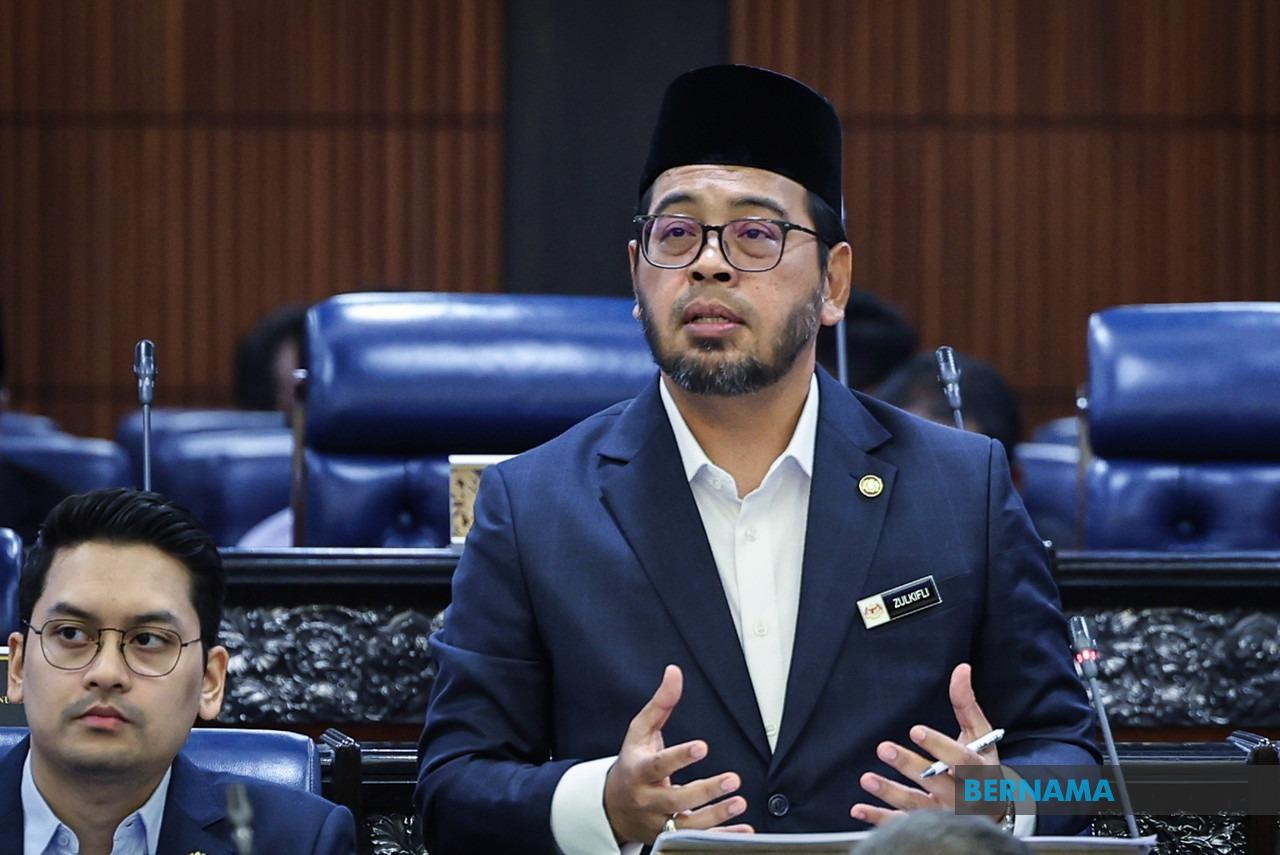
The Malaysian government is moving to overhaul financial governance at Tabung Haji through comprehensive amendments to its founding legislation, addressing systemic weaknesses identified in a damning Royal Commission of Inquiry report covering the period from 2014 to 2020. Dr Zulkifli Hasan, Minister in the Prime Minister's Department (Religious Affairs), announced the reform package during parliamentary debate on the RCI findings, signalling a decisive shift toward accountability and transparency in managing the pilgrim fund's operations.
At the heart of the proposed changes lie clearer legal frameworks that will establish prescribed accounting standards and introduce specific penalties for financial misreporting. These provisions directly respond to the RCI's critical assessment of how TH disclosed and managed its financial position during the six-year review period. The amendments represent not merely technical adjustments but a fundamental reset of the institution's regulatory architecture, reflecting broader concerns about governance failures that eroded public confidence in the fund's stewardship of Malaysian pilgrims' savings.
A critical institutional shift involves the Securities Commission assuming regulatory oversight of TH's fund management and investment activities, a recommendation that has been endorsed by a high-level task force comprising the TH chairman, Bank Negara Malaysia governor, and Securities Commission chairman. This separation of powers would leave hajj management operations under religious affairs ministry supervision while ringfencing investment activities under capital markets regulation. The arrangement seeks to insulate commercial operations from political interference while maintaining dedicated religious and pilgrimage oversight.
The RCI's investigation exposed excessive bonus practices that had lavished rewards on staff regardless of institutional performance, creating perverse incentives and public outcry. TH has since adopted a reformed bonus structure pegged to overall financial performance and specific key performance indicators, with payments requiring approval from both religious affairs and finance ministers. This dual-approval requirement introduces procedural checks designed to prevent future excesses and ensure compensation aligns with genuine institutional achievement rather than seniority or political patronage.
Profit distribution transparency has been strengthened through a requirement that dividend rates be announced only after completion and auditing of annual financial statements, a practice TH initiated in 2022. This temporal separation prevents the problematic practice of announcing distributions before full financial review, which previously created situations where distributions were declared based on incomplete or favourable estimates rather than verified results. The measure directly addresses the RCI's concern that insufficient clarity governed how TH calculated and communicated returns to its 8.6 million members.
Accounting standards compliance forms another pillar of the reform agenda. TH's financial statements have fully aligned with relevant accounting standards since 2018, establishing a foundation upon which the new legislative framework will build. However, the codification of these standards in the amended act will prevent future boards from circumventing rigorous reporting requirements through administrative discretion or regulatory capture.
Governance restructuring at the board level represents a further departure from past practice. New legislation will establish specific eligibility criteria and mandate expertise-based selection procedures for board appointments, moving away from the historically opaque nomination processes that sometimes rewarded political loyalty over competence. The RCI particularly recommended prohibiting serving politicians from holding the chairmanship or board positions, a stark indictment of how political considerations had compromised institutional independence. Dr Zulkifli acknowledged this tension, noting that capable technocrats and individuals of established integrity could lead TH without requiring political appointment.
The appointment framework will emphasise 'fit and proper' criteria aligned with Bank Negara Malaysia's established standards for financial sector leaders. This benchmark, already accepted for banking institutions, extends proven governance principles to the pilgrim fund context. Such alignment also facilitates coordination between TH's investment regulator and the financial system's banking supervisor, creating a coherent regulatory ecosystem rather than isolated oversight silos.
The public disclosure of the 211-page RCI report on 29 July marked a significant transparency step, with parliament now scrutinising findings that might previously have remained confidential. The special Dewan Rakyat sitting provided MPs with the rare opportunity to debate institutional failures affecting millions of Malaysian pilgrims, signalling that accountability mechanisms have shifted toward public accountability rather than internal management discretion. Both Dr Zulkifli and Finance Minister II Datuk Seri Amir Hamzah Azizan were scheduled to wind up parliamentary debate, indicating the government's commitment to defending and explaining its reform package to elected representatives.
For Malaysian pilgrims, these reforms carry profound implications. The pilgrim fund represents not merely an investment vehicle but a quasi-religious trust storing savings intended for one of Islam's five pillars. The RCI's exposure of governance failures—including excessive executive compensation, opaque investment decisions, and weak financial controls—had shaken confidence that their hajj savings remained secure and properly managed. The proposed amendments attempt to rebuild this trust through structural constraints that make future governance failures more difficult to perpetrate or conceal.
The broader Southeast Asian context adds another dimension to these reforms. Regional Islamic financial institutions often face tension between commercial performance imperatives and fiduciary obligations to religiously-motivated depositors. TH's experience provides a cautionary case study of how inadequate governance frameworks can allow institutional drift, with politically-connected management exploiting weak oversight. The Malaysian amendments, if effectively implemented, may offer a template for other regional pilgrim funds and Islamic financial institutions grappling with similar governance challenges.
Implementation will prove critical to whether these amendments translate rhetoric into reformed practice. Legislative change alone cannot guarantee behavioural transformation if enforcement remains weak or regulatory agencies lack political backing to challenge well-connected actors. The government's establishment of the task force and its commitment to parliamentary oversight suggest genuine reform intent, yet the coming years will test whether institutional culture genuinely shifts toward prioritising pilgrims' interests over management prerogatives and political considerations. The RCI report's public release indicates that opacity is no longer an acceptable governance norm for Malaysian state institutions managing citizens' savings.

