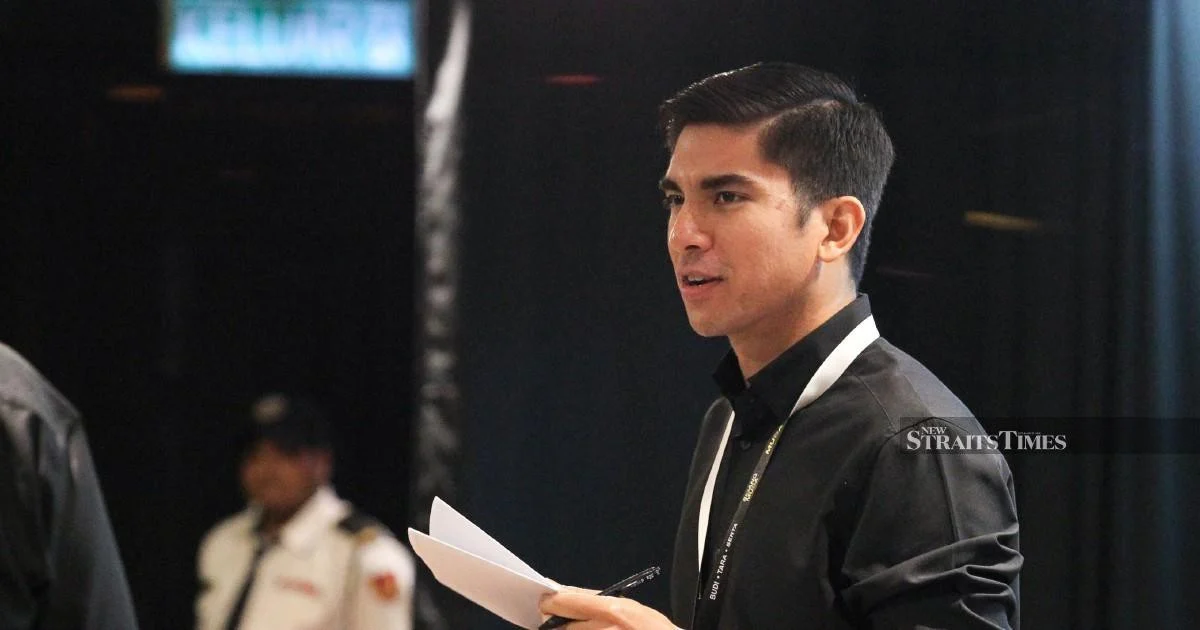
Muar member of parliament Syed Saddiq Syed Abdul Rahman has announced plans to channel RM115,000 earned from a newly acquired part-time appointment directly into his constituency, underscoring his commitment to ploughing private earnings back into the community he represents. The decision reflects a growing trend among Malaysian parliamentarians seeking to diversify income streams while maintaining transparency about how such additional revenue is deployed at the grassroots level.
The commitment demonstrates the legislator's approach to managing multiple roles—a practice increasingly common among Malaysian politicians holding both parliamentary positions and corporate directorships or advisory roles. Rather than retaining the entirety of his external earnings, Syed Saddiq has opted for a model where a substantial portion supports constituency-level initiatives, ranging from community welfare programmes to infrastructure improvements that benefit Muar residents directly.
This move carries particular significance within the Johor political landscape, where electoral competition remains intense and constituents closely scrutinise how their representatives utilise resources. By publicly committing to channel such earnings locally, Syed Saddiq is signalling to voters that his external professional activities enhance rather than detract from his service to Muar. The transparency aspect is equally noteworthy, as Malaysian politicians sometimes face criticism when additional income sources remain undisclosed or their allocation opaque.
The RM115,000 sum represents a meaningful injection into a parliamentary constituency's capacity to address local needs. Depending on deployment, such funds could support several initiatives: educational scholarships for underprivileged students, small grants for local micro-entrepreneurs, repairs to community facilities, or emergency assistance for households facing hardship. The flexibility of such allocation allows Syed Saddiq to respond dynamically to evolving constituency priorities rather than being locked into rigid bureaucratic spending categories.
Syed Saddiq's tenure as Muar MP has been marked by efforts to modernise his approach to representation, embracing digital engagement and regular town halls to understand grassroots concerns. The additional resources from his new part-time role provide him with enhanced capacity to translate these insights into tangible support, creating what he likely views as a virtuous cycle where better understanding of community needs drives more targeted assistance. This approach contrasts with models where politicians treat external income primarily as personal enrichment.
The financial commitment also reflects broader debates within Malaysian politics about remuneration for elected representatives. While parliamentary salaries in Malaysia are reasonable by regional standards, many MPs argue that the demands of constituency work—funding assistance, event sponsorships, community development—substantially exceed official allowances. By supplementing these through external roles, and then channelling substantial portions back into constituencies, MPs like Syed Saddiq frame such arrangements as necessary rather than opportunistic.
However, the announcement also raises questions that Malaysian voters and oversight bodies might consider. What are the nature and specific responsibilities of the part-time position generating this income? Does the role involve any potential conflicts of interest with his parliamentary duties? How will the RM115,000 be specifically allocated, and who will oversee expenditure to ensure funds reach intended beneficiaries? Transparency on these points would strengthen rather than weaken public confidence in his stewardship.
For other Malaysian parliamentarians, Syed Saddiq's model may establish a precedent for publicly sharing information about external income and its deployment. In an era of heightened scrutiny regarding political finance and personal enrichment, leading by example through voluntary disclosure creates positive pressure on peers while demonstrating that additional income need not conflict with constituent service. This approach aligns with broader anti-corruption efforts emphasizing transparency and accountability within Malaysian political institutions.
The Muar constituency itself stands to benefit from sustained attention and resource injection. As a parliamentary seat reflecting Johor's socioeconomic diversity, Muar encompasses urban centres, rural areas, and manufacturing zones—each with distinct development needs. Additional funding provides flexibility to address these varied concerns, from supporting small traders affected by economic headwinds to funding skills training for youth in industries experiencing disruption.
Syed Saddiq's commitment also signals confidence in his political position. Politicians uncertain about electoral prospects or facing internal party challenges typically conserve resources rather than commit them publicly to constituencies. His willingness to channel substantial sums into Muar suggests confidence in both his standing locally and his assessment that investing in constituent satisfaction serves his political interests—a calculus that aligns personal incentives with public benefit.
Looking forward, this announcement may influence how Malaysian voters evaluate politicians' approaches to multiple roles. Rather than viewing external income as inherently problematic, constituents can increasingly demand transparency and accountability regarding how such income is deployed. Politicians meeting these expectations—through clear disclosure and demonstrated benefit to constituencies—may find electoral advantages, while those resisting transparency risk reputational damage.